
 Save to Pinterest
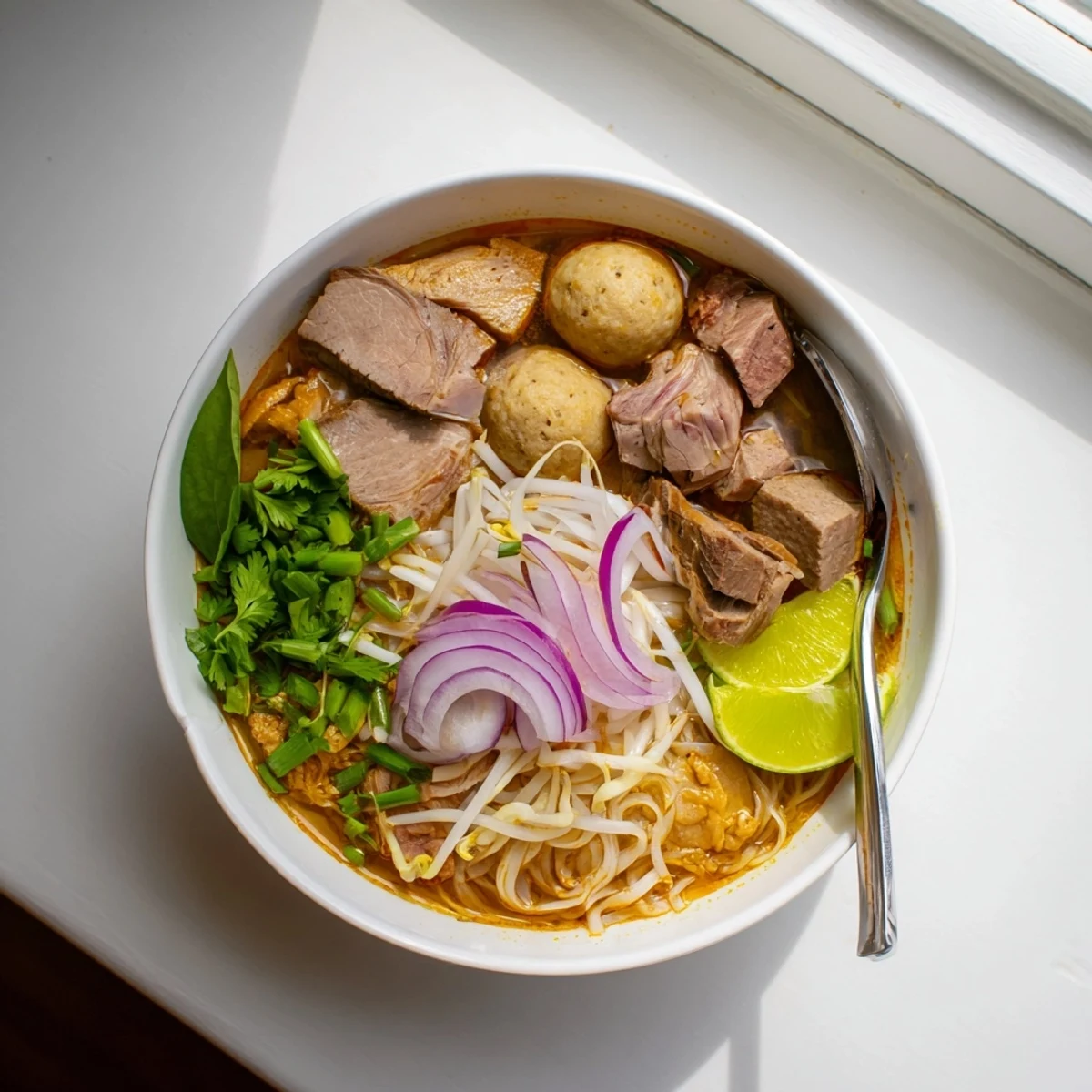
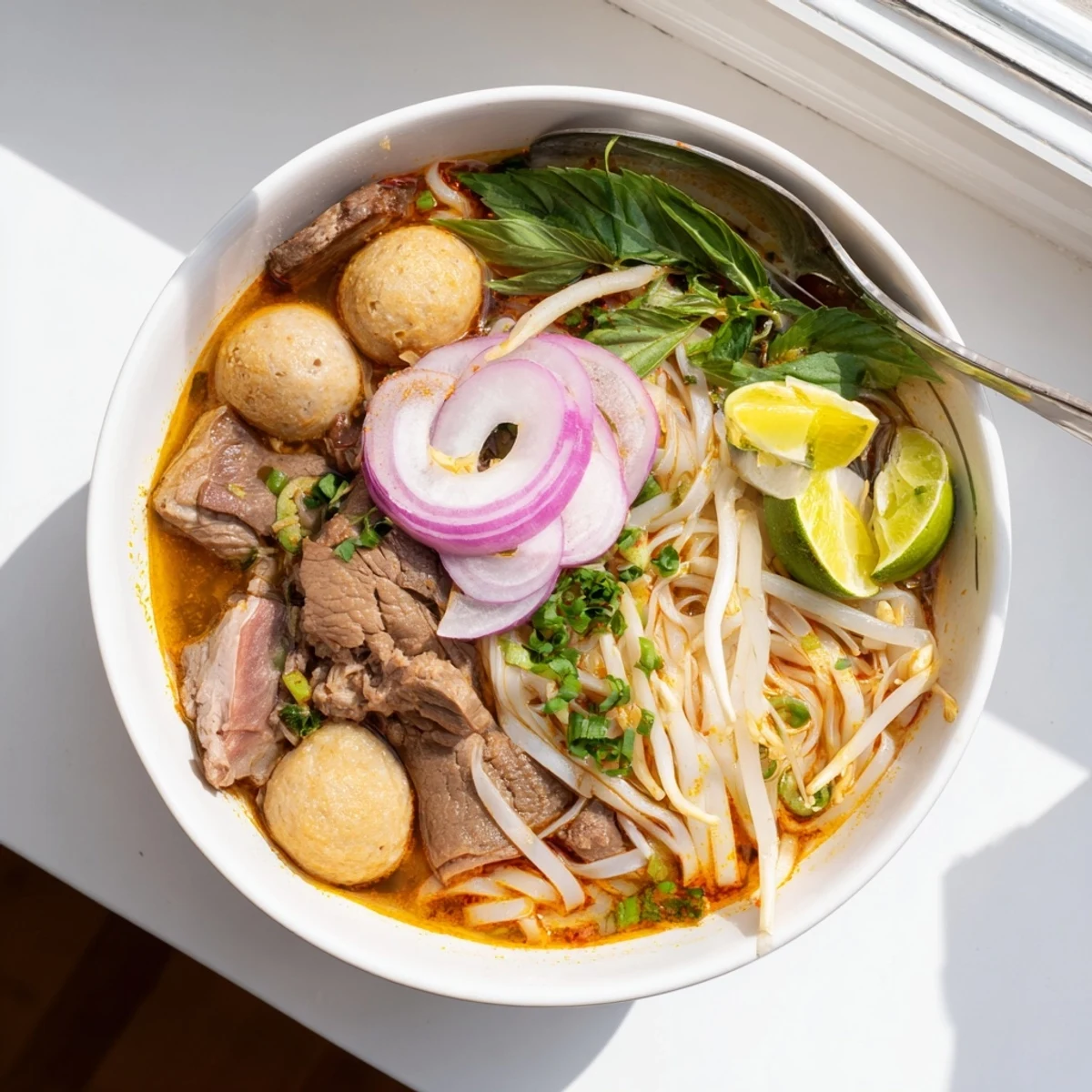
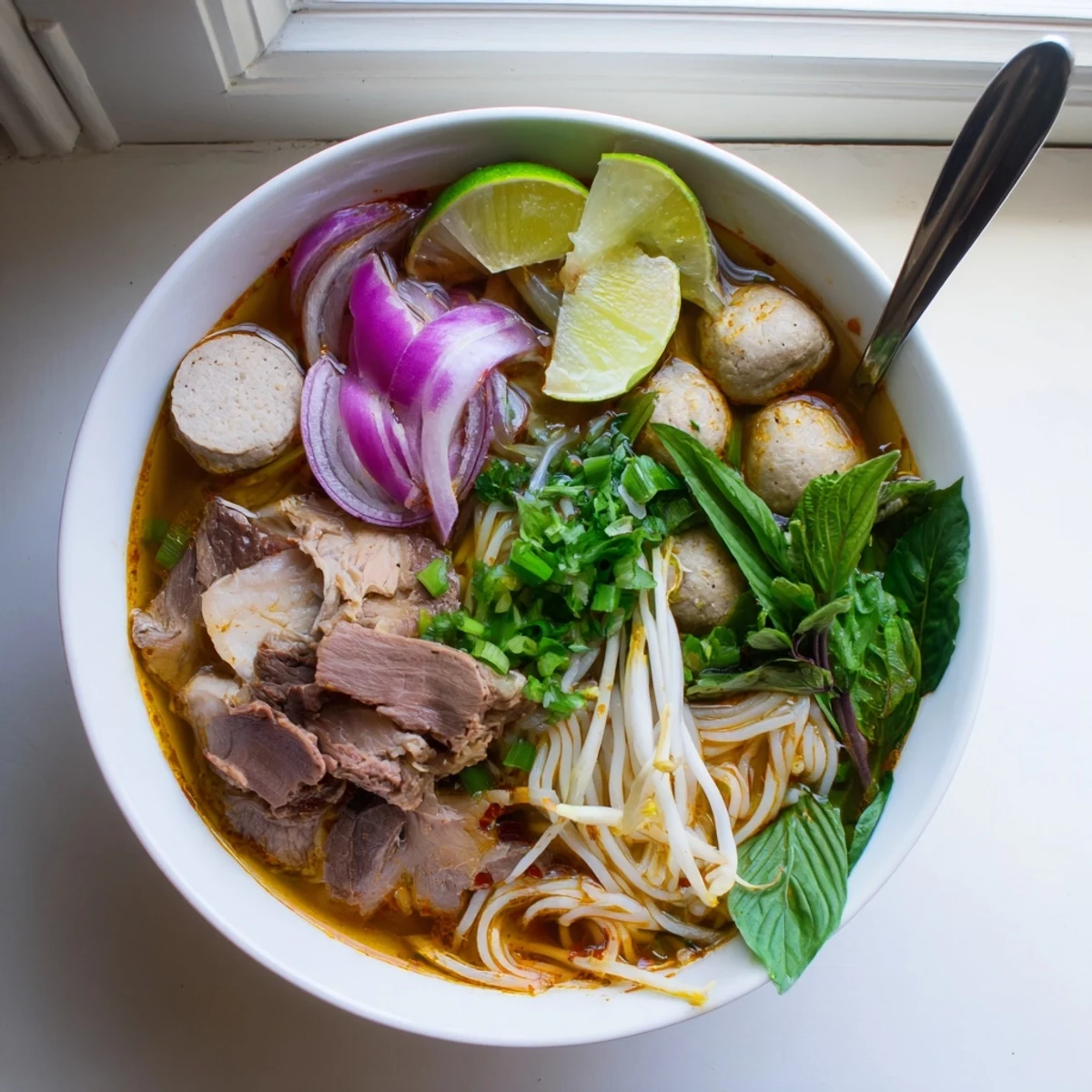
 This beloved Hue specialty combines a rich, spicy broth simmered for hours with beef shank and pork hock, infused with lemongrass, ginger, and shrimp paste. The soup features thick round rice noodles topped with sliced beef brisket, pork sausage, and optional blood cubes. A vibrant chili oil adds signature color and heat, while fresh herbs like mint, Thai basil, and cilantro provide refreshing contrast. The complex broth develops depth from rock sugar, fish sauce, and aromatics, creating a harmonious balance of spicy, salty, and savory notes that define this central Vietnamese classic.
My tiny apartment kitchen filled with an intoxicating blend of lemongrass, ginger, and shrimp paste, steam fogging up the windows as I nervously checked my watch. Dinner guests were arriving in two hours, and I had somehow decided today was the day to tackle Bun Bo Hue, a soup I had obsessed over since college but never attempted. The shrimp paste smell hit me before I even opened the jar
That night, my friends gathered around the steaming bowls, everyone quiet for that first perfect slurp. Someone finally broke the silence asking how long this took, and I lied said three hours instead of admitting to the failed attempts that came before
Ingredients
- Beef shank bone in: The marrow melts into the broth creating that signature richness you cannot replicate with bones alone
- Pork hock: This adds body and collagen that transforms your soup from watery to luxurious
- Lemongrass stalks: Bruise them with the back of your knife to release those citrusy oils that make this soup sing
- Shrimp paste: Do not be scared of the smell it cooks down into something incredible
- Annatto seeds: Optional but gives the broth that gorgeous reddish orange hue that signals authentic Hue style
- Thick rice noodles: Regular vermicelli noodles are too delicate and will turn mushy
- Cha lua: Vietnamese pork sausage adds a mild sweet contrast to the spicy broth
Instructions
- Start with a clean foundation:
- Boil the beef and pork for five minutes then drain and rinse everything. This step removes impurities that would cloud your broth
- Build the aromatic base:
- Return meats to the pot with fresh water and add your lemongrass onion garlic and ginger. Let it come to a rolling boil while you skim off any foam that rises to the top
- Season and simmer:
- Add fish sauce salt both sugars and the shrimp paste then lower to a gentle simmer. Two hours later the meat should be falling apart tender
- Make the magic oil:
- Heat annatto seeds in oil until they release their red color then discard them. Cook shallots and garlic until fragrant before stirring in chili flakes
- Prep your proteins:
- Cook noodles according to package directions and drain well. Thinly slice your cooked brisket and cha lua into ready to serve portions
- Bring it all together:
- Layer noodles in bowls first then arrange all your meats on top. Ladle that steaming hot broth over everything letting it cook the proteins slightly
 Save to Pinterest
 Months later I made this for my aunt who spent years in Hue. She took one sip looked at me with teary eyes and said this tasted like the street stall near her old apartment. That was better than any recipe approval I could have imagined
The Art of Broth Balance
Finding the right balance between sweet salty and spicy takes practice but your taste buds will guide you
Noodle Timing Secrets
Never let noodles sit in hot broth or they will absorb all the liquid and become bloated
Building Your Perfect Bowl
Start with less chili oil than you think you need because you can always add more but cannot take it back
- Squeeze lime into the broth just before eating to brighten all those deep flavors
- Add herbs at the last second so they stay vibrant and fresh
- Let each diner customize their own spice level at the table
 Save to Pinterest
 This soup demands your time but every spoonful reminds you why some things are worth the effort
Frequently Asked Questions
- → What makes Bun Bo Hue different from pho?
-
Bun Bo Hue originates from central Vietnam and features a spicier, more complex broth infused with lemongrass and shrimp paste. The noodles are thicker and rounder than pho's flat rice noodles. Unlike pho's primarily beef-based broth, Bun Bo Hue includes both beef and pork, creating a richer, bolder flavor profile.
- → Is shrimp paste essential for this dish?
-
Shrimp paste (mam ruoc) provides the distinct umami depth that characterizes authentic Bun Bo Hue. While it can be omitted for dietary restrictions, the broth will lack the traditional complexity. Fish sauce can be increased slightly to compensate, though the flavor profile will differ from the original.
- → Can I make the broth ahead of time?
-
Absolutely. The broth actually benefits from being made 1-2 days ahead, allowing flavors to meld and intensify. Store in the refrigerator and remove any solidified fat before reheating. The broth can also be frozen for up to 3 months, making it convenient for meal prep.
- → What can substitute for thick bun bo noodles?
-
Traditional thick round rice noodles (bun bo) are ideal, but udon noodles work surprisingly well as a substitute. Regular rice vermicelli (bun) can be used, though they lack the satisfying chew of thicker noodles. Avoid using Italian pasta as the texture and flavor compatibility differ significantly.
- → How spicy is this dish traditionally?
-
Authentic Bun Bo Hue is notably spicy, with heat coming from both the chili oil and fresh bird's eye chili garnishes. The spice level is adjustable—reduce chili flakes in the oil for milder flavor, or increase for authentic heat. The broth should have a pleasant warmth that complements rather than overwhelms the other flavors.