
 Save to Pinterest
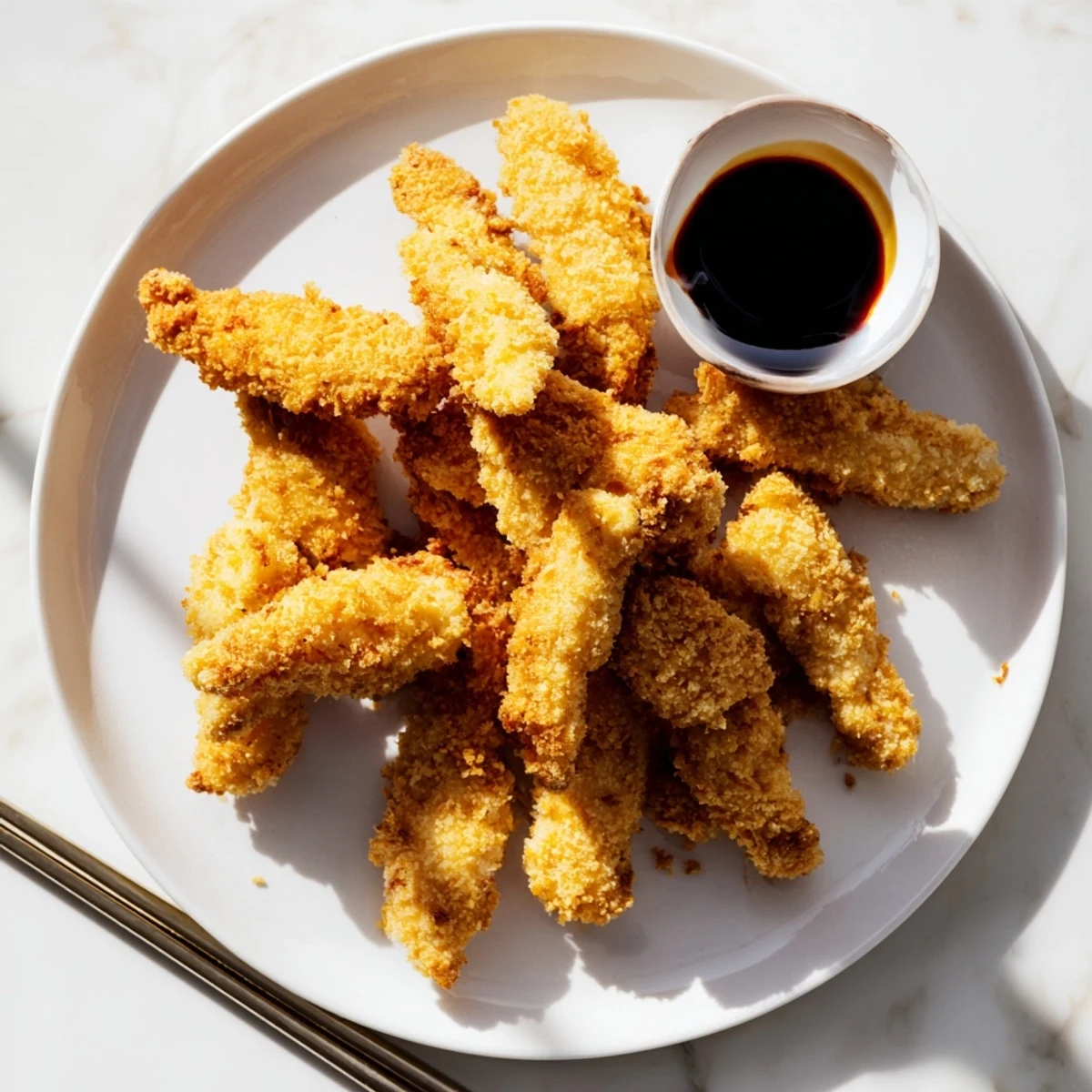
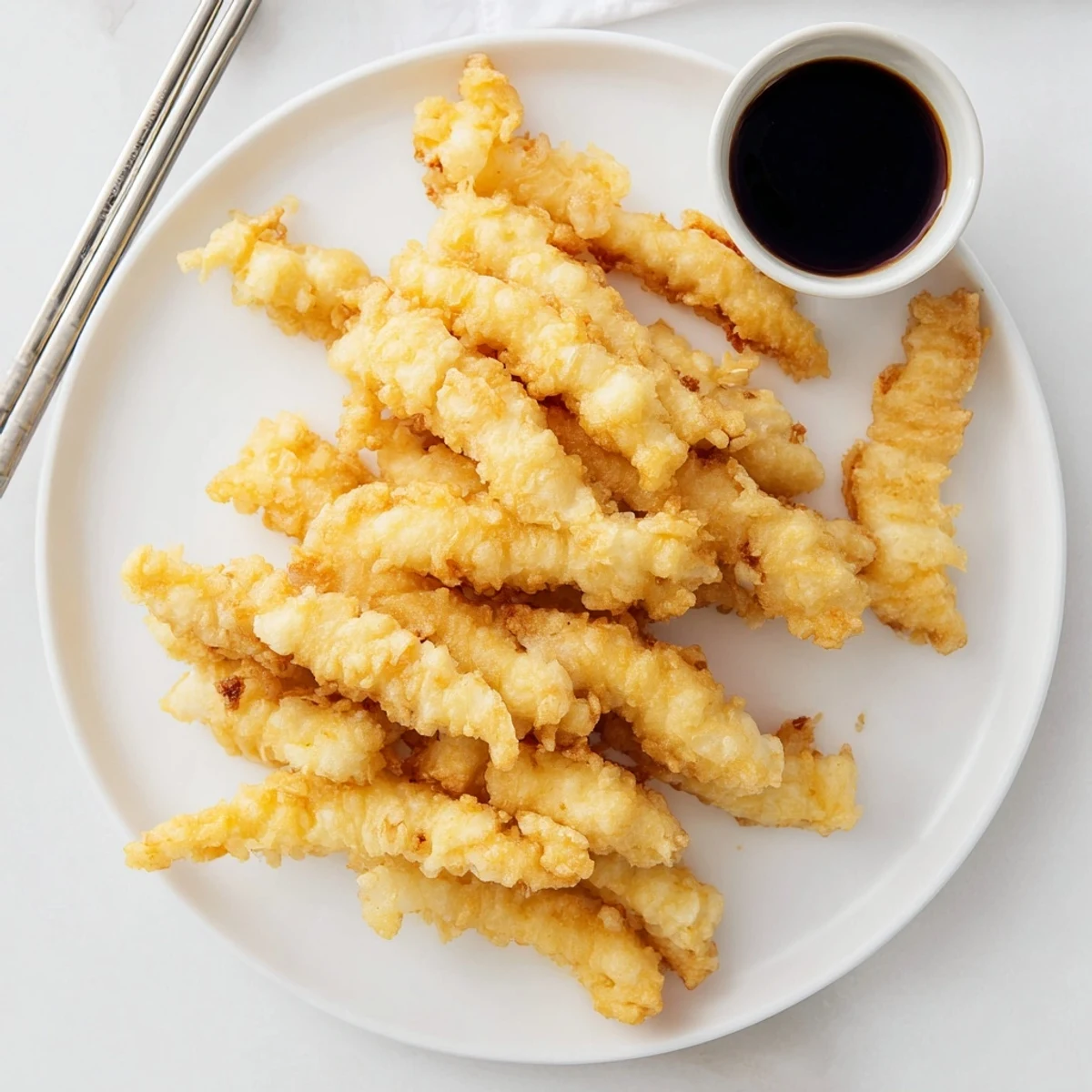
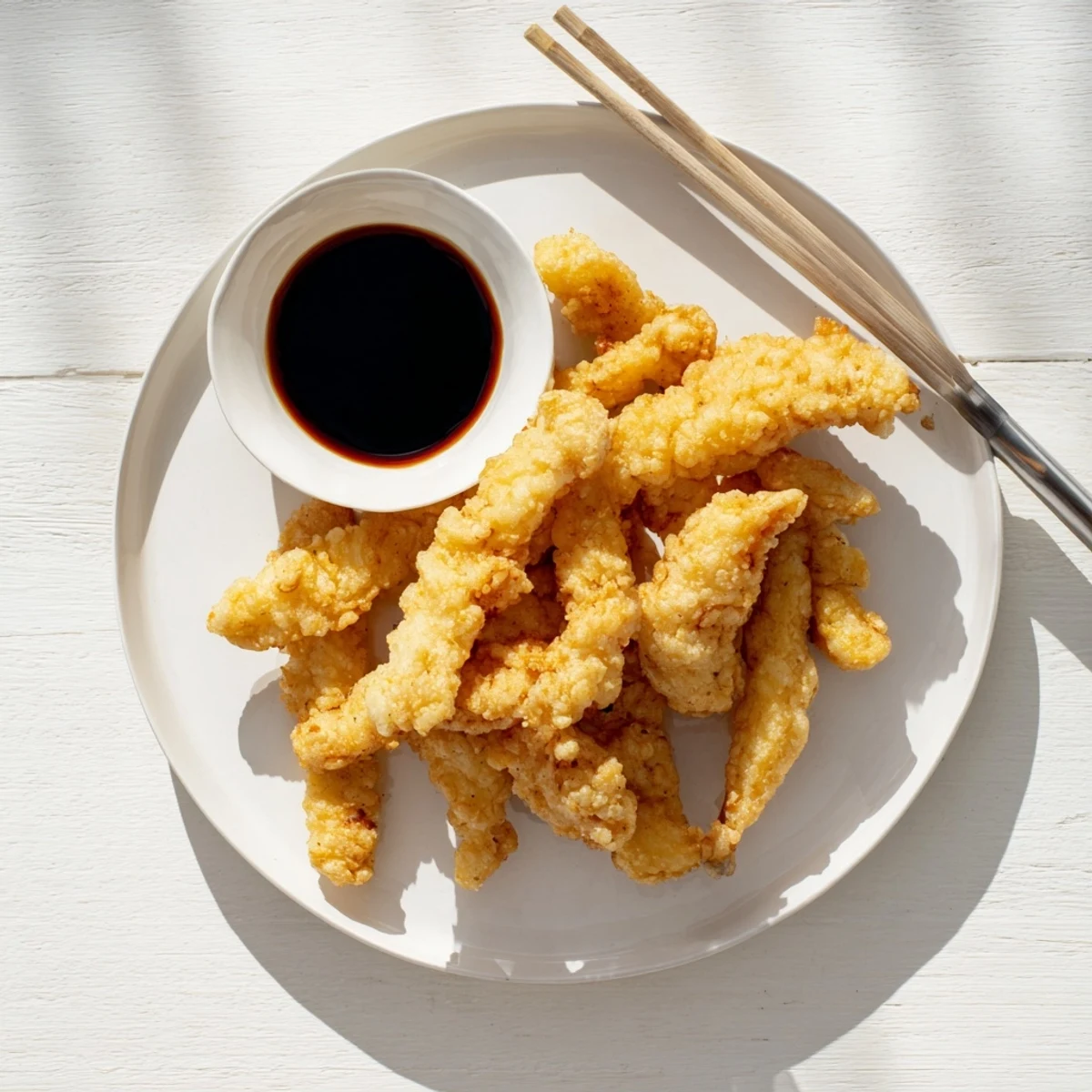
 Transform simple chicken breasts into restaurant-quality Japanese tempura with this straightforward method. The secret lies in the ice-cold sparkling water batter, which creates that signature airy crunch. The entire dish comes together in under 40 minutes, making it perfect for weeknight dinners or weekend entertaining. Serve alongside steamed rice and pickled vegetables for a complete Japanese meal experience.
Last winter, on a Tuesday that felt gray from the moment I woke up, I decided homemade tempura would be my rebellion against the gloom. The smell of frying chicken somehow made the whole kitchen feel warmer, like I had transported myself to a tiny street stall in Tokyo without ever leaving my apartment.
My friend Sarah came over unexpectedly while I was making these, and we ended up standing around the stove, eating pieces straight from the wire rack while the oil sputtered and hissed. She confessed she had been intimidated by tempura for years, but watching how forgiving the batter actually is changed everything for her.
Ingredients
- 500 g (1.1 lb) boneless, skinless chicken breasts: Cutting these into strips while the meat is still slightly frozen makes for cleaner, more even pieces
- 1/2 tsp salt and 1/4 tsp ground black pepper: Simple seasoning, but do not skip it—the batter needs this foundation
- 120 g (1 cup) all-purpose flour: The protein structure here creates the delicate crunch you want
- 30 g (1/4 cup) cornstarch: This secret ingredient is what keeps tempura ethereal instead of doughy
- 1 large egg: Room temperature eggs incorporate better into cold liquid
- 180 ml (3/4 cup) ice-cold sparkling water: The carbonation creates those signature bubbles in the batter
- 1/2 tsp baking powder: Gives an extra lift for that cloud-like texture
- 1 liter (4 cups) vegetable oil: Neutral oils like canola or grapeseed work best here
- 60 ml (1/4 cup) soy sauce: The salty backbone of your dipping sauce
- 60 ml (1/4 cup) mirin: Adds sweetness and gloss that soy alone cannot provide
- 1 tbsp rice vinegar: Cuts through the richness of the fried chicken
- 1 tbsp sugar: Balances the saltiness without making it cloying
- 1 tsp grated fresh ginger: Fresh is non-negotiable here—powdered ginger cannot replicate that bright heat
Instructions
- Prep the chicken:
- Cut the chicken breasts into thin strips about 1 x 5 cm, then pat them thoroughly dry with paper towels. Season well with salt and pepper, letting them sit while you make the batter.
- Mix the dry ingredients:
- Whisk together the flour, cornstarch, and baking powder in a mixing bowl until fully combined.
- Prepare the liquid:
- Lightly beat the egg in a separate bowl, then mix it with the ice-cold sparkling water.
- Make the batter:
- Pour the wet mixture into the dry ingredients and stir very briefly with chopsticks or a fork. Leave the batter slightly lumpy—overmixing will kill the crunch.
- Heat the oil:
- Heat the vegetable oil in a deep pan or fryer to 175°C (350°F). I test it by dipping a wooden chopstick in—if bubbles form rapidly around it, I am ready to go.
- Batter the chicken:
- Dip the chicken strips into the batter, letting excess drip off, then carefully add them to the hot oil.
- Fry to perfection:
- Fry in batches for 3 to 4 minutes until golden and crisp, turning once. Do not crowd the pan or the temperature will drop and the chicken will turn greasy.
- Drain and rest:
- Transfer cooked chicken to a wire rack or paper towels to drain excess oil.
- Make the sauce:
- Combine soy sauce, mirin, rice vinegar, sugar, and ginger in a small saucepan. Heat gently until sugar dissolves, then cool to room temperature.
- Serve immediately:
- Plate the chicken tempura hot with the dipping sauce on the side while it is still audibly crispy.
 Save to Pinterest
 These became my go-to Friday night dinner months ago, the kind of meal that turns an ordinary evening into something that feels like a tiny celebration without much fuss at all.
The Secret to Lasting Crunch
I learned the hard way that resting tempura on paper towels creates steam, which turns the coating soggy on the bottom. A wire rack lets air circulate around every piece, keeping each strip impossibly crisp until the last bite.
Temperature Control Matters
When I first started making tempura, I could not figure out why some batches turned out perfect while others were greasy and sad. The culprit was almost always adding too much chicken at once, which dropped the oil temperature below that golden range.
Get Creative with Variations
Shrimp, sweet potato, zucchini, and even green beans take on new life when given the tempura treatment. The same batter works beautifully, just adjust frying time based on the vegetable density.
- Swap sparkling water for club soda if that is what you have in the fridge
- Add a pinch of cayenne to the batter for subtle warmth that complements the dipping sauce
- Double the sauce recipe because you will want to drizzle it over everything
 Save to Pinterest
 There is something deeply satisfying about making restaurant-quality food in your own kitchen, especially when it comes together this quickly.
Frequently Asked Questions
- → Why use sparkling water in tempura batter?
-
The carbonation in sparkling water creates tiny air bubbles in the batter, resulting in a lighter, crispier coating. The cold temperature also prevents gluten development, keeping the delicate texture intact.
- → What oil temperature is best for frying tempura?
-
Maintain your oil at 175°C (350°F) for optimal results. If the oil is too cool, the chicken will absorb excess fat and become soggy. Too hot, and the coating burns before the chicken cooks through.
- → Can I make tempura batter ahead of time?
-
For the crispiest results, prepare the batter immediately before frying. The carbonation dissipates over time, and gluten development can make the coating tough. Mix the dry ingredients in advance, then add the wet mixture right before cooking.
- → What other proteins work with this tempura method?
-
Shrimp is the classic alternative, yielding sweet, succulent pieces. You can also use firm white fish like cod or halibut, or create a vegetable medley with sweet potato, zucchini, bell peppers, and green beans.
- → How do I keep tempura crispy when serving a crowd?
-
Fry in small batches and place cooked pieces on a wire rack over a baking sheet in a low oven (120°C/250°F). This allows air circulation and prevents sogginess while keeping everything warm until serving time.
- → What can I substitute for mirin in the dipping sauce?
-
Mix equal parts rice vinegar and sugar with a splash of water to mimic mirin's sweet acidity. Dry sherry or sweet Marsala wine can also work in a pinch, though the flavor profile will shift slightly.