
 Save to Pinterest
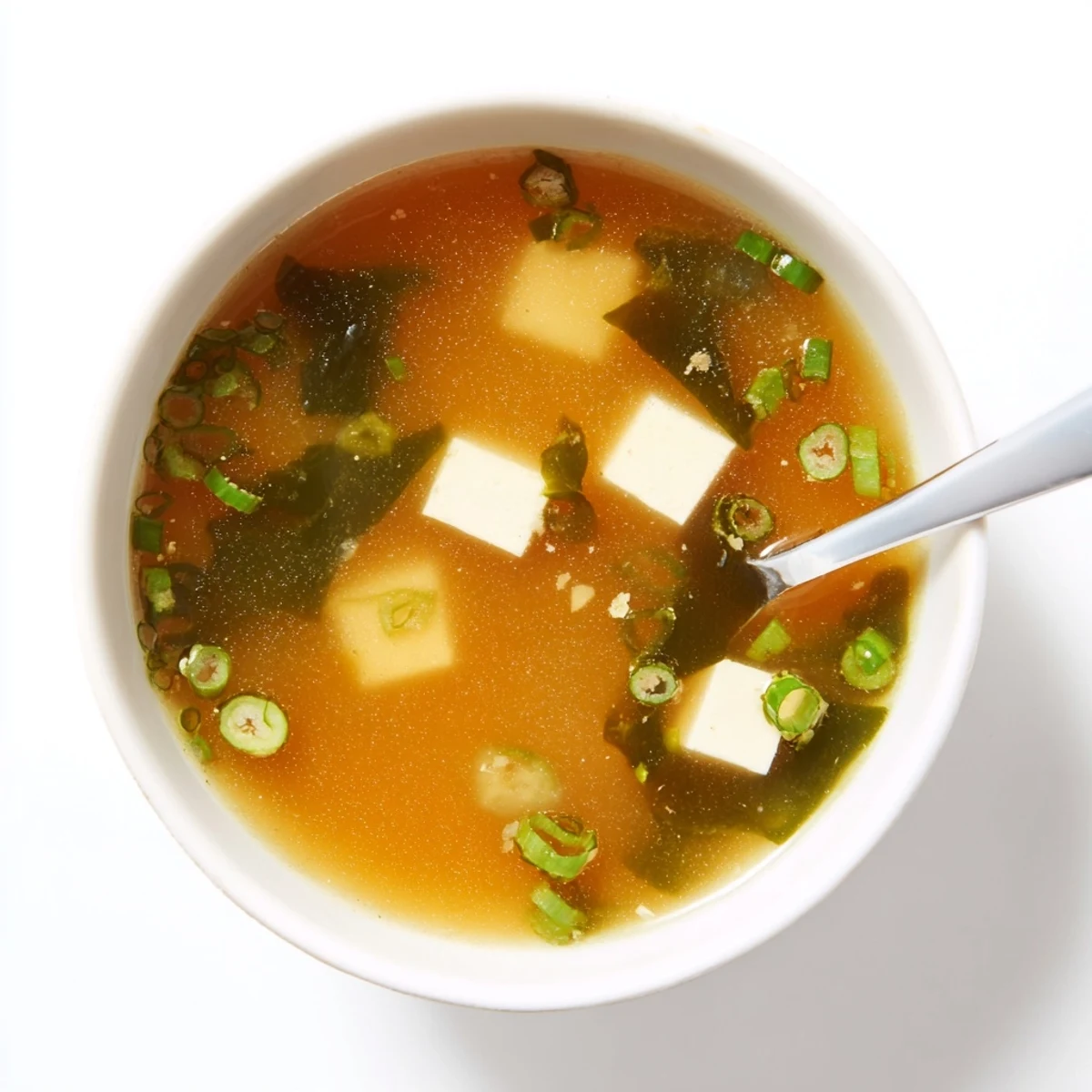
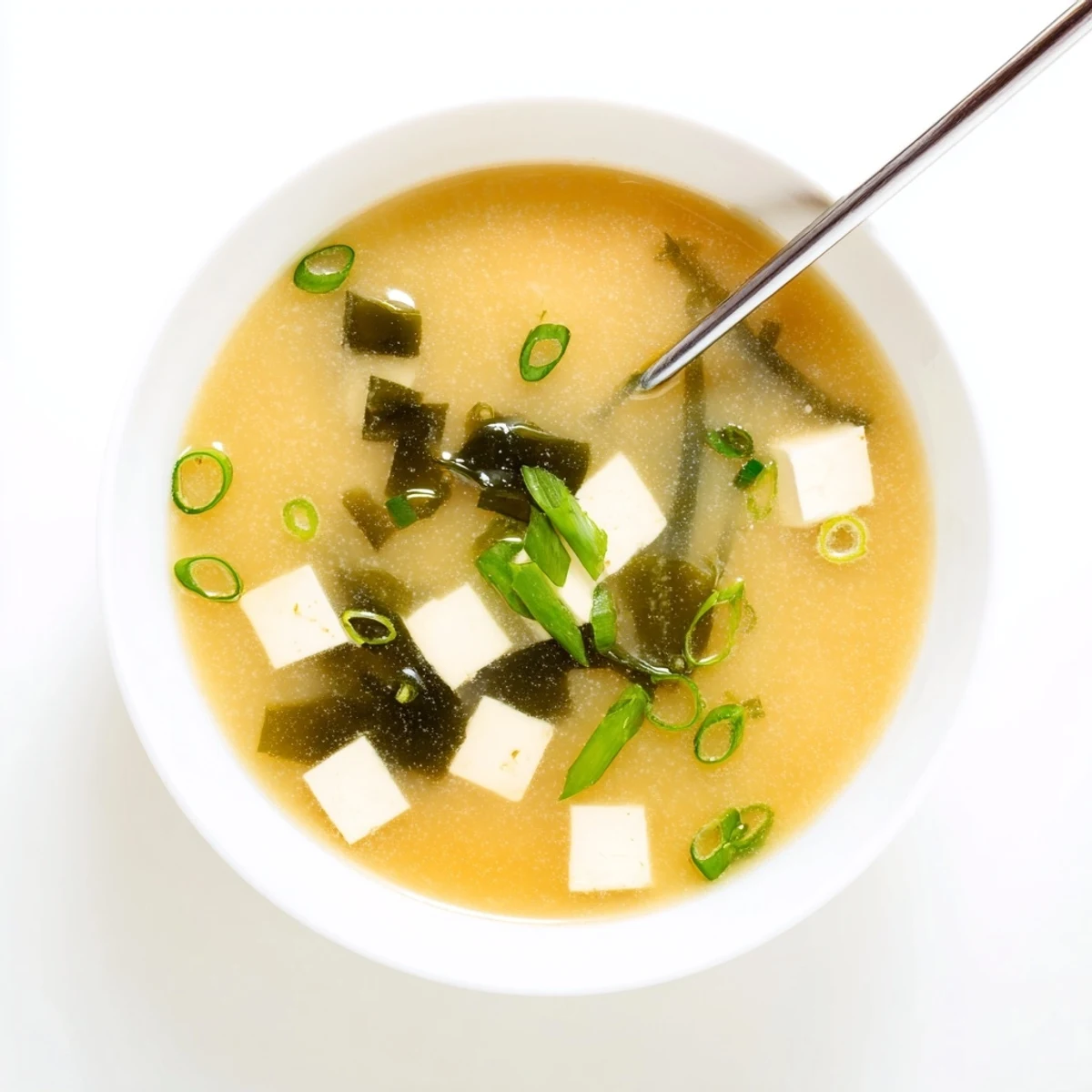
 This classic Japanese comfort food brings together delicate white miso paste with silken tofu and rehydrated wakame seaweed in a warming dashi broth. The preparation involves dissolving miso into hot dashi stock while keeping temperatures gentle to preserve beneficial enzymes and probiotics. Traditional technique requires ladling some hot broth into the miso first to create a smooth slurry before incorporating it back into the main pot, preventing clumps and ensuring even distribution. The finished bowl features tender tofu cubes floating in an aromatic, umami-rich broth topped with fresh scallions. Customization options include adding mushrooms, spinach, or daikon, while variations with red miso paste offer deeper, more robust flavors.
The first time I had authentic miso soup was at a tiny Tokyo ramen shop where the owner watched me take my first sip and nodded approvingly. I came home obsessed with recreating that cloudy, savory comfort in my own kitchen. After many too salty batches and overcooked tofu incidents, I finally found the perfect balance. Now this soup is my go-to when I need something warming but not heavy.
My sister called me last winter complaining that she could never get her miso soup to taste like what we had at our favorite Japanese spot. I walked her through the technique over the phone, and now she makes it every Sunday for meal prep. There is something deeply satisfying about mastering a dish that seems so simple but has so much depth.
Ingredients
- 4 cups dashi stock: The backbone of Japanese cooking, use instant dashi granules or make kombu dashi for a vegetarian version
- 3 tablespoons white miso paste: Shiro miso gives a milder, sweeter flavor that lets other ingredients shine
- 100 g silken tofu: Cut into cubes, this delicate protein soaks up the broth beautifully
- 2 tablespoons dried wakame seaweed: Rehydrates instantly and adds that authentic ocean flavor and texture
- 2 green onions: Finely sliced for fresh color and mild onion bite on top
Instructions
- Prepare the broth:
- Bring the dashi stock to a gentle simmer in a medium saucepan over medium heat
- Dissolve the miso:
- Place miso paste in a small bowl, add a ladleful of hot dashi, whisk until completely smooth, then return the mixture to the saucepan
- Add the tofu and seaweed:
- Gently add the tofu cubes and dried wakame, simmer for 2 to 3 minutes until seaweed plumps up and tofu is warmed through
- Serve immediately:
- Remove from heat, ladle into bowls, and scatter green onions across the top while piping hot
 Save to Pinterest
 This soup became a winter tradition during college finals week. My roommates and I would gather around the stove, taking turns ladling out steaming bowls while studying for exams. More than just nutrition, it was five minutes of peace in a chaotic week.
Building Better Broth
Homemade dashi is worth the effort if you have time, but quality instant dashi granules work beautifully for weeknight cooking. For a richer version, try adding a small piece of dried shiitake mushroom to the stock while it simmers.
Miso Paste Varieties
White miso is the most forgiving for beginners, but do not be afraid to experiment. Red miso adds deeper, earthier notes, while awase miso offers a balanced middle ground. Mixing different misos creates complex flavor profiles.
Creative Add-ins
While traditional miso soup keeps it simple, adding vegetables makes it a complete light meal. Sliced mushrooms, spinach leaves, or thinly sliced carrots work wonderfully.
- Drop in a handful of spinach during the last minute of cooking
- Add cooked ramen noodles for a more substantial dish
- Stir in a beaten egg for extra protein and richness
 Save to Pinterest
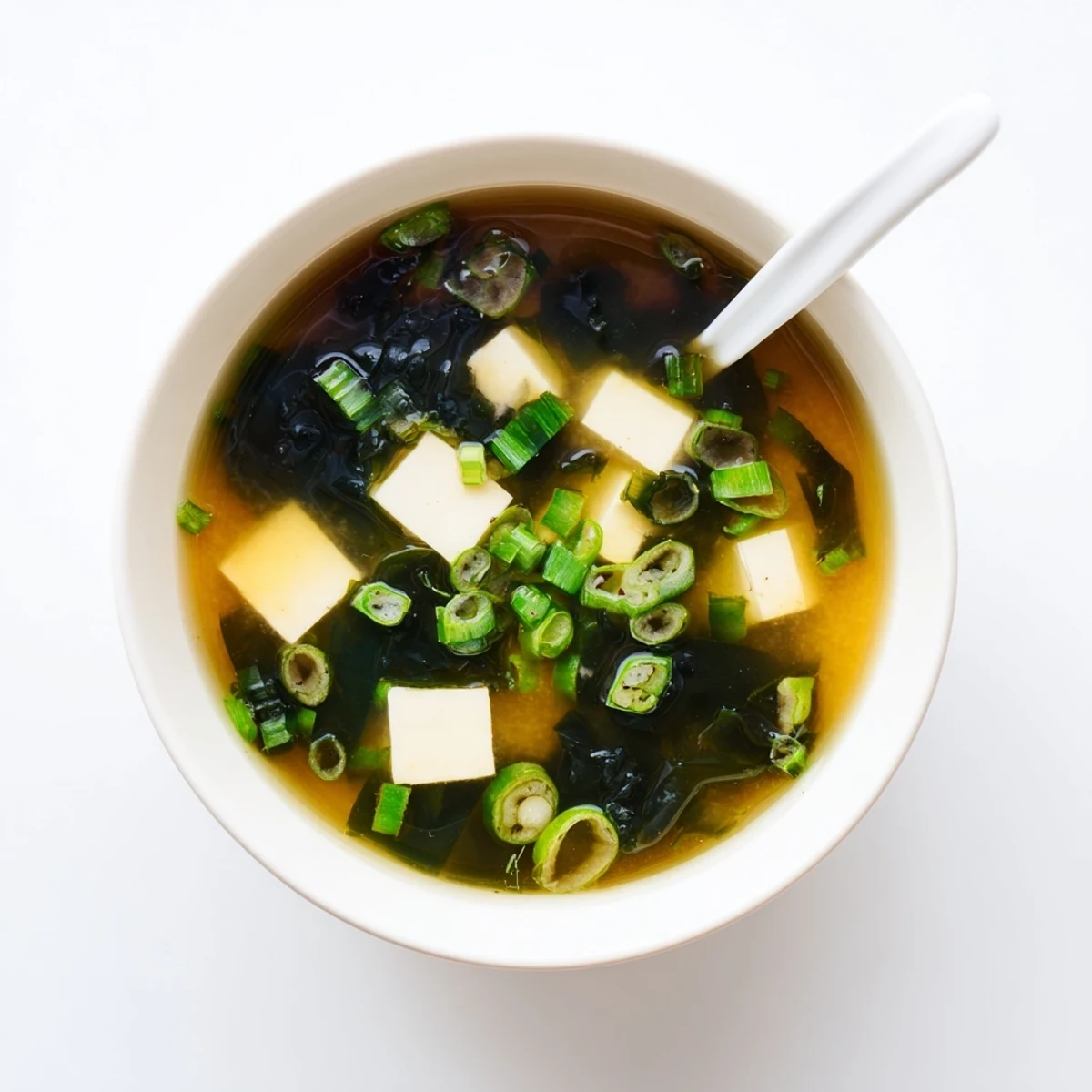
 A warm bowl of miso soup feels like a gentle hug from an old friend. Simple, nourishing, and always exactly what you need.
Frequently Asked Questions
- → What type of miso paste works best?
-
White miso paste (shiro miso) offers a delicate, slightly sweet flavor ideal for beginners. Red miso provides a bolder, more intense taste. Many cooks blend both for balanced complexity.
- → Why shouldn't miso boil?
-
High heat destroys beneficial enzymes and probiotics in fermented miso paste. The flavor also becomes bitter and harsh when boiled. Always add miso at the end and keep the temperature below a simmer.
- → Can I make this vegetarian?
-
Yes, use kombu dashi made from kelp instead of traditional bonito-based stock. Most Japanese markets sell instant vegetarian dashi powder or kombu sheets for making homemade broth.
- → How do I prevent miso clumps?
-
Whisk miso paste in a separate bowl with a small amount of hot broth first until completely smooth. This creates an emulsion that incorporates easily into the main pot without lumps.
- → What can I add for more substance?
-
Shiitake mushrooms, spinach, bok choy, thinly sliced daikon radish, or cooked udon noodles transform this into a heartier meal. Add these vegetables during the final few minutes of cooking.
- → How long does this keep?
-
The soup tastes best fresh but will refrigerate for 2-3 days. Store without garnishes and reheat gently without boiling. The miso flavor intensifies over time, so you may need to add more dashi when reheating.