
 Save to Pinterest
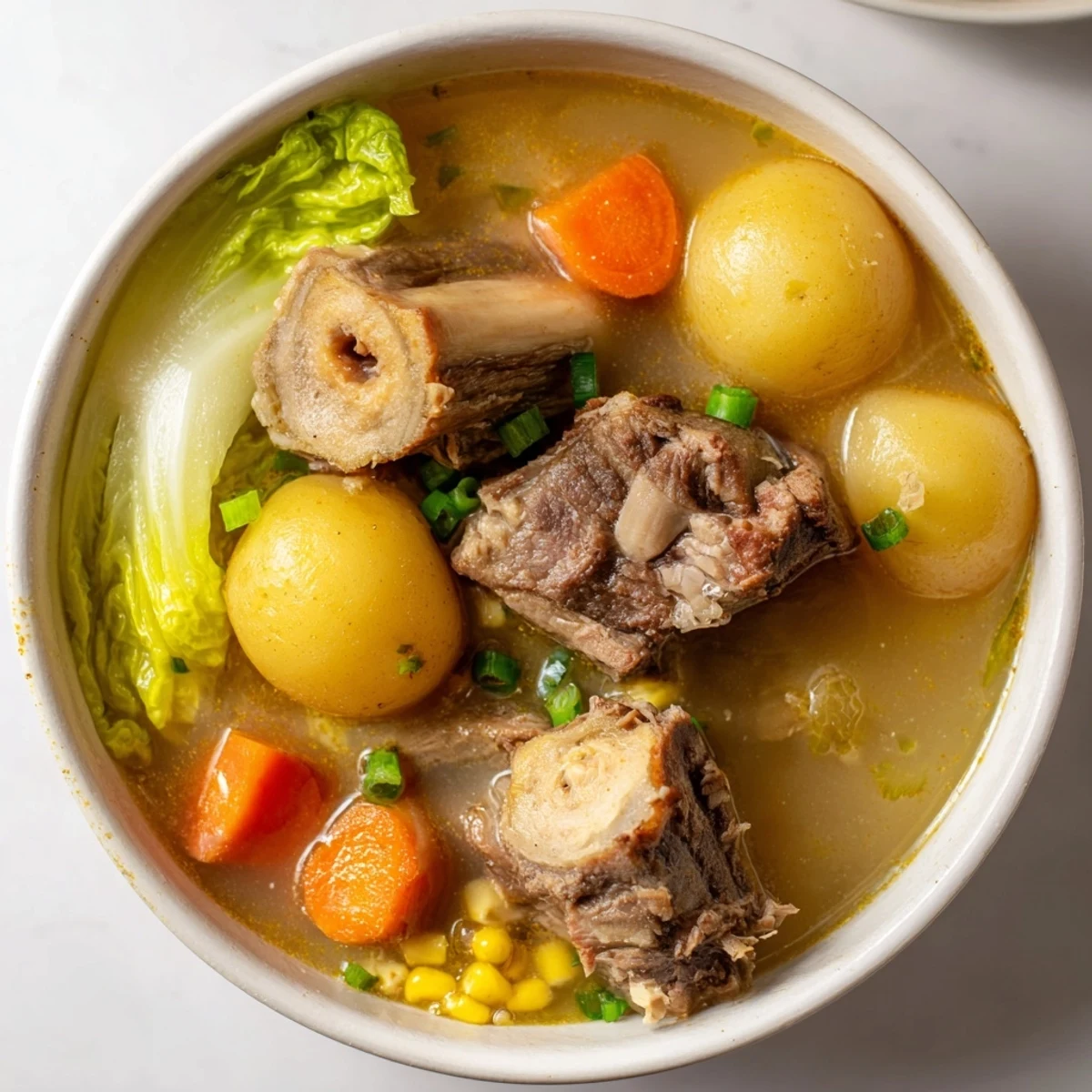
 This hearty Filipino soup combines beef shank and bone marrow simmered for hours until incredibly tender. The result is a rich, clear broth infused with peppercorns and fish sauce.
Vegetables like corn, potatoes, carrots, napa cabbage, and green beans are added in stages, creating a nourishing bowl perfect for cool evenings or family gatherings.
Serve with steamed jasmine rice and calamansi wedges for an authentic experience.
The first time I had bulalo was at a roadside eatery in Tagaytay, where the mist rolls down from the mountains and soup feels like a necessity rather than a choice. I watched the owner fish out beef shanks that had been simmering since dawn, the bone marrow glistening like liquid gold. That afternoon taught me that some soups are worth the hours, that patience in the kitchen pays off in ways instant meals never can. Now whenever slow rain taps against our windows, my husband asks if it is bulalo weather and I cannot help but smile.
Last Christmas Eve, my lola stood over her stockpot for four hours, refusing help while telling stories about her own grandmother making bulalo during rainy seasons in the province. When she finally called us to the table, the soup had absorbed every spice, every bone, every memory into something that felt like love more than dinner. Now I understand why she guarded that pot so fiercely.
Ingredients
- 1.5 kg (3.3 lbs) beef shank, bone-in with marrow: The shank provides the gelatinous body and the marrow is the soul of this dish. Ask your butcher to cut the bones into chunks that fit your pot.
- 500 g (1 lb) beef bone marrow bones: Optional but absolutely worth it. These bones release extra richness and depth that transform the soup from good to unforgettable.
- 2 ears corn, cut into pieces: The natural sweetness balances the savory beef. Cut each ear into 3 to 4 rings so they fit in your spoon.
- 1 medium onion, quartered: A foundational aromatic that mellows beautifully during the long simmer. No need to chop it small.
- 1 medium carrot, cut into chunks: Cut them substantial rather than diced. They should be a satisfying bite alongside the beef.
- 250 g (9 oz) baby potatoes, halved: Baby potatoes hold their shape better than larger ones and look lovely in the bowl. If using larger potatoes, cut into 2-inch pieces.
- 1 small head napa cabbage, cut into pieces: Cut into large wedges that wilting down elegantly. Do not overcook it or you lose that tender crunch.
- 1 small bunch green beans, trimmed: Fresh green beans add bright color and a snap that contrasts the tender beef.
- 2 to 3 saba (plantain) bananas, peeled and halved: The traditional touch that hints at sweetness. They become creamy and almost custard-like in the hot broth.
- 10 cups water: Start with cold water to encourage gentle extraction of flavors from the bones. You can add more during cooking if needed.
- 1 tablespoon whole black peppercorns: Whole peppercorns infuse gentle warmth without the harsh bite of ground pepper. Fish them out before serving if you prefer.
- 2 tablespoons fish sauce (patis), plus more: The umami backbone of Filipino cooking. Add gradually and taste as you go.
- Salt, to taste: Season at the end only. The fish sauce and salted broth may need less than you expect.
- Chopped scallions: Scatter these over each bowl just before serving for a fresh, oniony bite that cuts through the richness.
- Calamansi or lemon wedges: The acid brightens everything and cuts through the marrow fat. Squeeze it right at the table.
Instructions
- Bring the bones to a gentle start:
- Place the beef shank and marrow bones in your largest pot. Cover with water and bring to a boil over high heat. Watch closely as gray foam rises to the surface.
- Clear the way for a clean broth:
- Skim off every bit of scum and impurities that floats to the top. This step is what gives bulalo that beautiful, clear restaurant-quality broth. Lower the heat to a gentle simmer.
- Build the foundation:
- Add the quartered onion, whole peppercorns, and fish sauce to the pot. Cover and let it cook undisturbed for about 2 hours. The beef should be fork-tender and nearly falling apart.
- Add the hearty vegetables first:
- Drop in the potatoes and carrot chunks. Let them simmer for 10 minutes until the potatoes start to soften but are not falling apart yet.
- Bring in the sweetness:
- Add the corn rings, plantain halves if using, and trimmed green beans. Cook for another 10 minutes. The corn should be tender-crisp and the plantains just beginning to soften.
- Finish with the gentle greens:
- Stir in the napa cabbage wedges and cook for just 2 to 3 minutes. You want them wilted but still with some structure, not mushy and sad.
- Taste and make it yours:
- Now is the moment to adjust the seasoning. Add salt or more fish sauce a little at a time, tasting after each addition. Remember that the calamansi served at the table will add another layer of brightness.
- Present it like a feast:
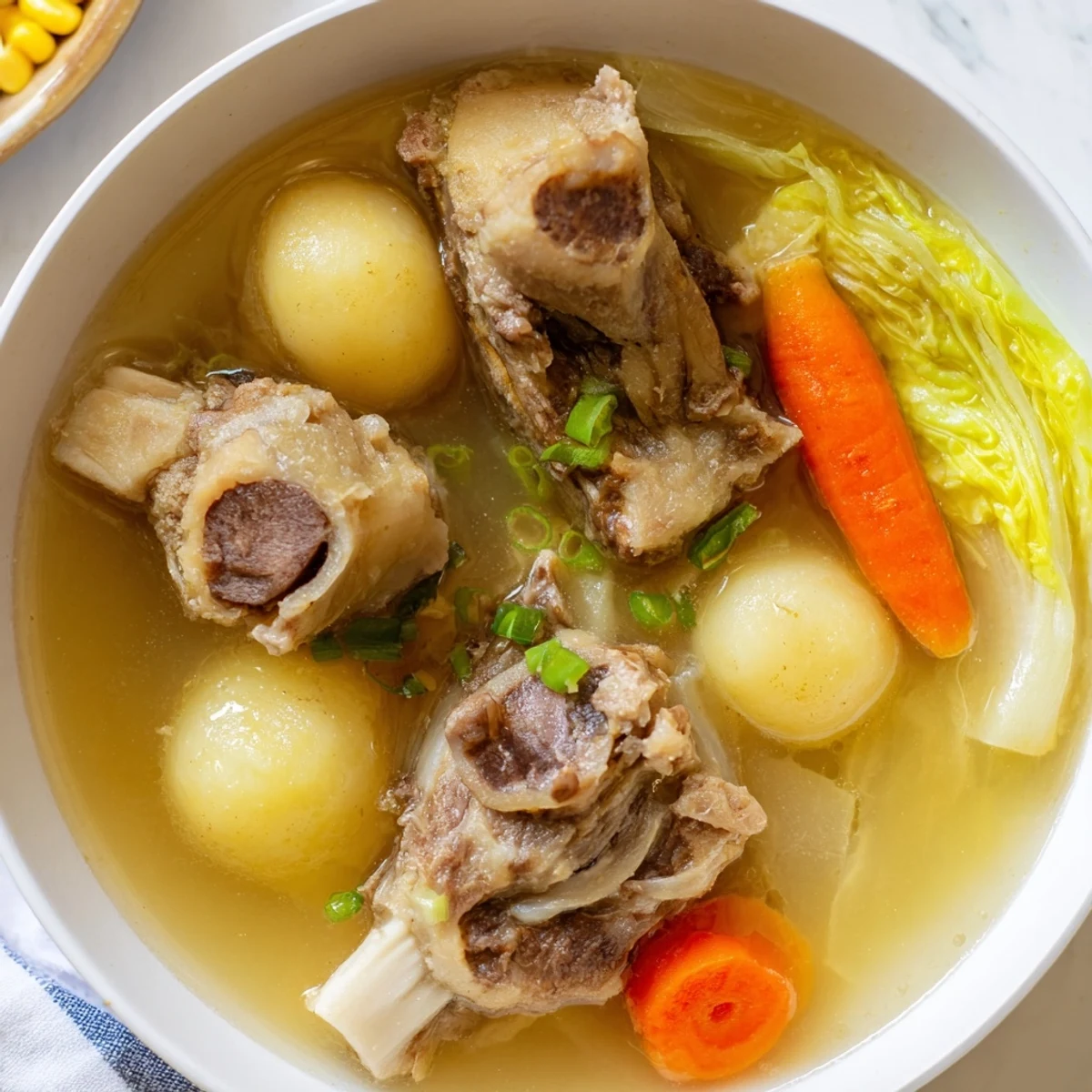
- Ladle the soup into deep bowls making sure each portion gets beef, marrow, vegetables, and plenty of broth. Top generously with chopped scallions and serve with calamansi wedges on the side for squeezing.
 Save to Pinterest
 There is something about placing a steaming bowl of bulalo in front of someone you love. The way they lean in and inhale first before even picking up their spoon. That pause before the first taste when the room goes quiet and you know you have made something that goes beyond dinner.
The Secret to Restaurant Broth
The difference between home bulalo and the version served at that roadside spot in Tagaytay comes down to patience and temperature. Keep the simmer gentle, never a rolling boil. Violent bubbling emulsifies the fat and makes broth cloudy. A slow, quiet simmer draws out flavor while keeping everything clear and beautiful.
What to Serve Alongside
Steamed jasmine rice is the classic accompaniment, soaking up that precious broth. A simple dipping sauce of soy sauce, calamansi juice, and chopped chilies on the side lets everyone customize their bowl. Some nights I make garlic fried rice with the leftovers the next day.
Timing Everything Right
For perfectly cooked vegetables, remember that not everything can go in at once. The potatoes and carrots need the longest time while the napa cabbage needs barely two minutes. I prep all my vegetables into separate bowls during the long simmer so I can add them in quick succession without scrambling.
- If the broth reduces too much, add hot water rather than cold to maintain the simmer
- The soup tastes even better made ahead. Cool and refrigerate overnight, then skim the hardened fat before reheating
- Leftovers freeze beautifully for up to 3 months
 Save to Pinterest
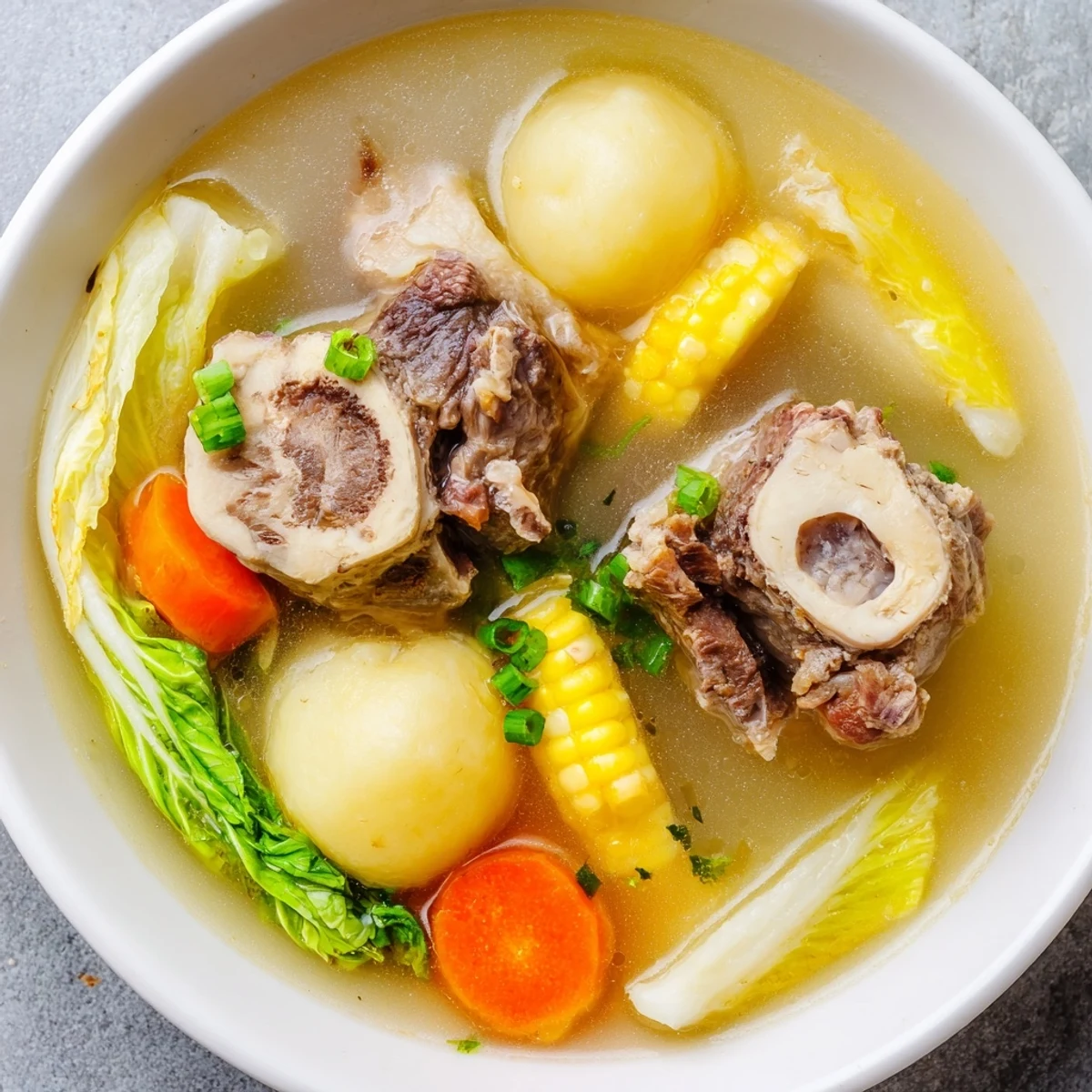
 Comfort food is not about complexity. It is about ingredients treated with respect and time given freely. That is what makes a bowl of bulalo feel like coming home.
Frequently Asked Questions
- → What makes bulado different from other beef soups?
-
Bulado specifically uses beef shank with bone-in, allowing the marrow to melt into the broth creating exceptional richness and body that other beef soups lack.
- → How long does beef shank take to become tender?
-
Beef shank requires about 2 hours of gentle simmering to become fork-tender. Rushing this step will result in tough meat, so patience is essential for authentic results.
- → Can I make this in a pressure cooker?
-
Yes, pressure cook the beef shank with aromatics for about 45-50 minutes, then release pressure naturally before adding vegetables in their traditional order.
- → What vegetables work best in bulalo?
-
Corn, potatoes, carrots, napa cabbage, and green beans are classic. Some regions add plantains for sweetness. Add hearty vegetables first, leafy ones last.
- → How do I get the clearest broth?
-
Parboil the beef briefly, discard that water, then start fresh. Skim any foam that rises during cooking. Avoid boiling vigorously—gentle simmering keeps broth clear.
- → What's traditionally served with bulalo?
-
Steamed jasmine rice is essential, along with calamansi wedges or lemon for squeezing. Some enjoy extra fish sauce on the side for adjusting seasoning.