
 Save to Pinterest
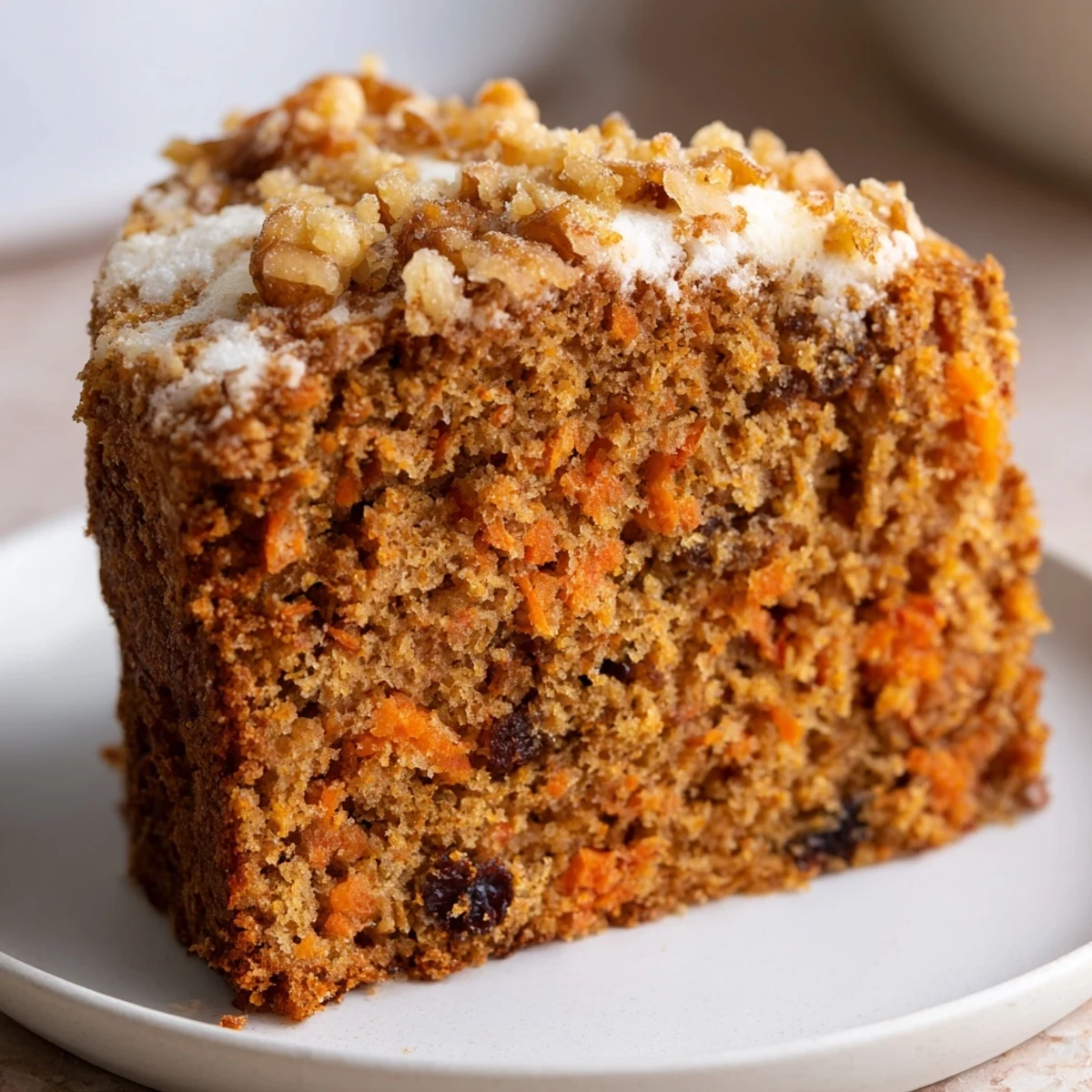
 This flourless carrot cake relies on oats instead of wheat flour for a naturally gluten-free twist on the classic dessert. The combination of grated carrots, maple sweetness, and aromatic cinnamon-nutmeg spices creates a tender crumb that stays moist for days.
Simply blend old-fashioned oats into flour, mix with eggs, maple syrup, coconut oil, and grated carrots, then bake until golden. The result is a wholesome treat that doesn't compromise on texture or flavor.
Customize with raisins, walnuts, or pecans for added crunch. Top with cream cheese frosting or Greek yogurt for extra indulgence, or enjoy plain for a lighter option.
The smell of cinnamon and grated carrots still takes me back to that rainy Sunday when I accidentally discovered oats could replace flour entirely in a cake. I was out of all-purpose flour but craving something sweet and wholesome, so I threw some oats in the blender and hoped for the best. My husband walked into the kitchen, raised an eyebrow at the orange-speckled batter, and asked if I was making mutant hummus. That cake disappeared in twenty-four hours, and I've never looked at carrot cake the same way since.
Last spring, my sister-in-law came to visit and mentioned she'd started avoiding gluten. I served this cake after Sunday dinner without saying anything about the ingredients. She took a bite, closed her eyes, and said something slightly inappropriate about how good it was. When I told her there was no flour involved, she literally asked for the recipe three times because she didn't believe me. Now it's her go-to birthday cake request.
Ingredients
- Old-fashioned rolled oats: These create a naturally sweet, nutty flour that gives the cake structure without the heaviness of wheat flour. Pulse them yourself for the freshest flavor.
- Baking powder and baking soda: The combination ensures your cake rises properly and has a tender crumb.
- Ground cinnamon and nutmeg: These warming spices are non-negotiable. They're what transform this from a sweet quick bread into an actual cake that feels like a hug.
- Fine sea salt: Just a pinch wakes up all the flavors and keeps the sweetness from being one-dimensional.
- Large eggs: These provide structure and moisture. Room temperature eggs will incorporate more easily into your batter.
- Maple syrup or honey: Your natural sweetener that also contributes moisture. Maple gives a deeper flavor, honey makes it slightly sweeter.
- Coconut oil or butter: Melted and cooled slightly, this adds richness. Coconut oil gives a subtle tropical note, butter tastes more traditional.
- Vanilla extract: Pure vanilla is worth the extra cost here. It rounds out all the flavors.
- Finely grated carrots: The star of the show. Grate them by hand for the best texture and moisture distribution.
- Raisins and nuts: Totally optional but recommended. They add little pockets of sweetness and crunch that make each bite interesting.
Instructions
- Preheat and prep your pan:
- Set your oven to 350°F and line an 8-inch pan with parchment paper. This is the step I sometimes rush, but taking five minutes now means your cake won't stick and cleanup will be effortless.
- Make your oat flour:
- Place the oats in a blender or food processor and pulse until they reach a coarse, flour-like texture. Don't over-process or you'll end up with oat paste instead of fluffy flour.
- Whisk the dry ingredients:
- In a mixing bowl, combine your fresh oat flour with baking powder, baking soda, cinnamon, nutmeg, and salt. Whisking ensures everything is evenly distributed.
- Combine the wet ingredients:
- In a separate large bowl, whisk together the eggs, maple syrup or honey, melted coconut oil, and vanilla extract until smooth and well combined.
- Mix the batter:
- Add the dry ingredients to the wet ingredients and stir until just combined. A few small lumps are fine. Over-mixing will make your cake tough.
- Add the mix-ins:
- Gently fold in the grated carrots, raisins, and nuts if you're using them. Use a spatula and a light hand to keep the texture tender.
- Bake to perfection:
- Pour the batter into your prepared pan and spread it evenly. Bake for 35-40 minutes until a toothpick comes out clean.
- Cool completely:
- Let the cake cool completely in the pan before slicing. I know this requires patience, but cutting it warm will give you crumbly edges.
 Save to Pinterest
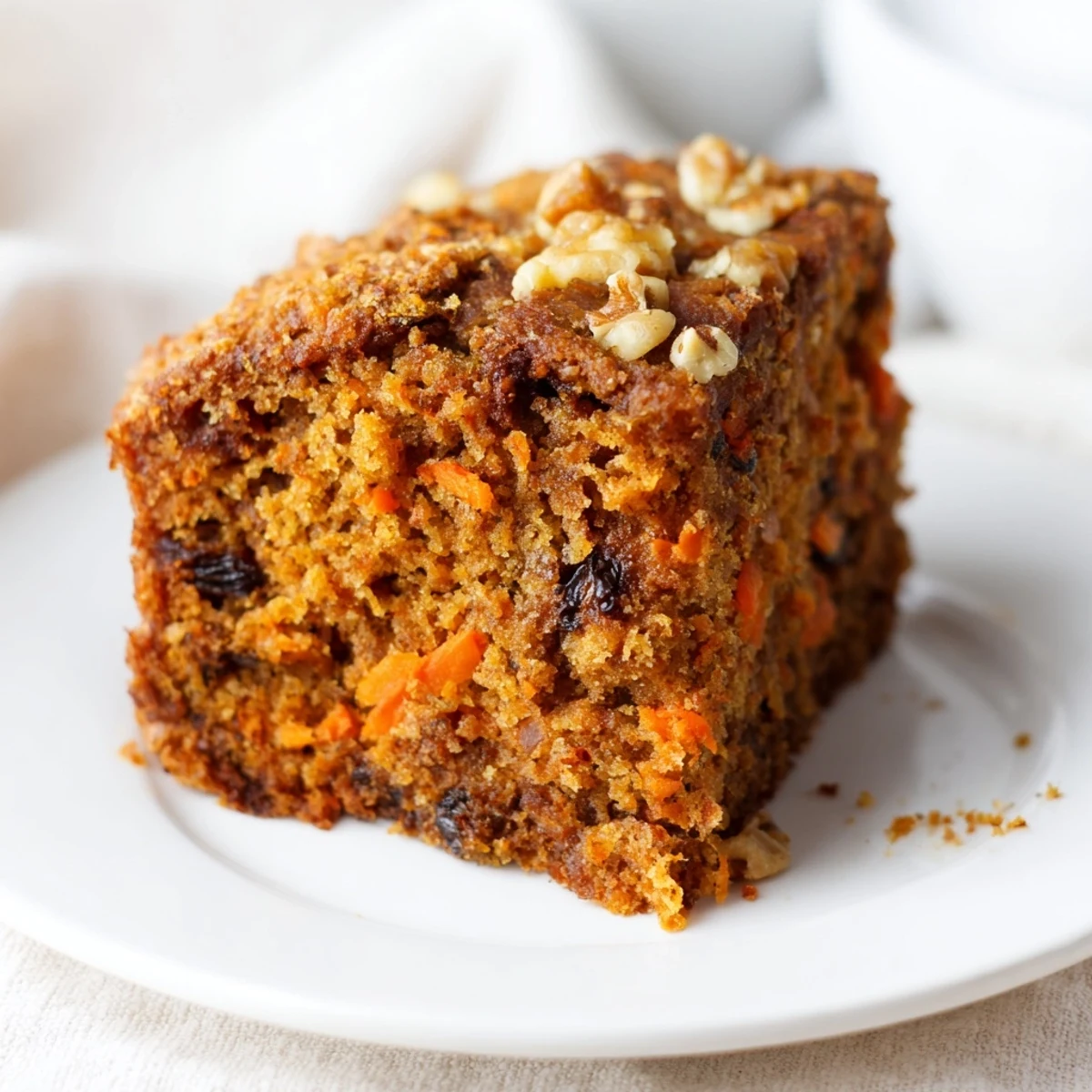
 This recipe has become my emergency dessert. The one I can throw together with ingredients I always have in the pantry, that somehow feels special enough for company. Last month I brought it to a potluck and watched three different people ask if it was gluten-free, looking skeptical when I said yes. There were no leftovers.
Make It Your Own
The beauty of this cake is how forgiving it is. I've swapped the raisins for dried cranberries during the holidays, used chocolate chips when my kids were having a particularly rough week, and even added shredded apple alongside the carrots for extra moisture. Each variation works because the base is so solid.
Serving Suggestions
While this cake is perfectly delicious on its own, a simple frosting elevates it to company-worthy status. I usually whip up some Greek yogurt with a bit of honey and vanilla, or go traditional with a light cream cheese frosting. Warm a slice and serve it with coffee in the morning, or dress it up for dessert after dinner.
Storage and Make-Ahead
This cake actually gets better on day two as the flavors meld and the moisture distributes. Store it covered at room temperature for up to three days, or refrigerate for up to a week. You can also wrap individual slices and freeze them for those emergency dessert situations.
- Wrap cooled cake tightly in plastic wrap before freezing for up to three months
- Thaw frozen slices on the counter for an hour or warm them in the microwave for 20 seconds
- This recipe doubles beautifully if you're feeding a crowd or want to stock your freezer
 Save to Pinterest
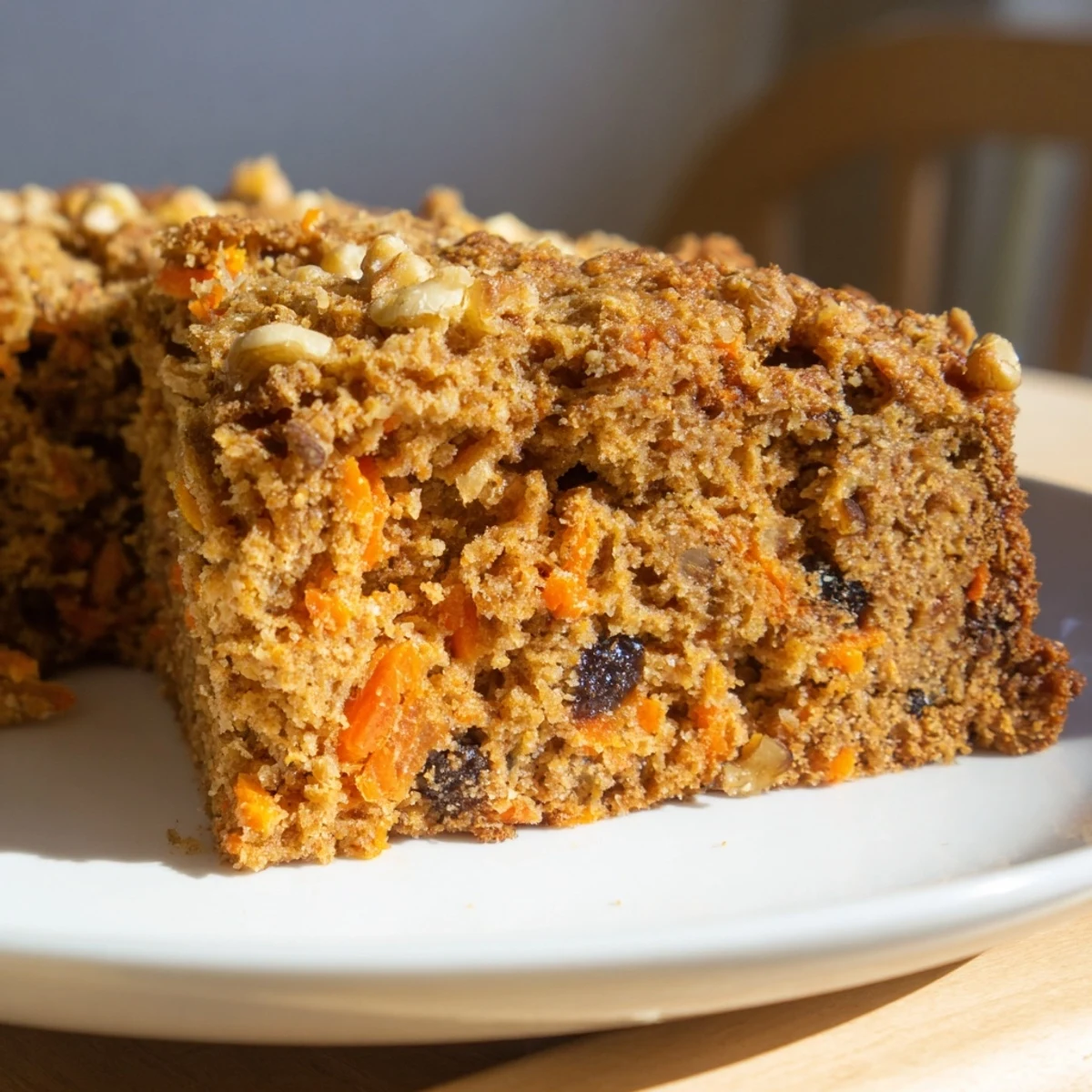
 Whether you're avoiding gluten or just looking for a carrot cake that feels a little lighter and more wholesome than the traditional version, this recipe delivers everything you want. Sweet, spiced comfort in every bite.
Frequently Asked Questions
- → Is this carrot cake truly gluten-free?
-
Yes, this carrot cake is naturally gluten-free since it uses oats processed into flour instead of wheat flour. Just ensure your oats are certified gluten-free if you have celiac disease or severe gluten sensitivity.
- → Can I make this carrot cake vegan?
-
Absolutely. Replace each egg with a flax egg (1 tablespoon ground flaxseed mixed with 3 tablespoons water), use plant-based syrup like maple or agave, and opt for coconut oil instead of butter.
- → How should I store leftovers?
-
Store cooled slices in an airtight container at room temperature for up to 3 days. For longer storage, refrigerate for up to a week or freeze individually wrapped slices for up to 3 months.
- → Can I substitute the sweetener?
-
Yes, maple syrup or honey works equally well. You can also use coconut sugar, brown sugar, or agave syrup. Adjust the amount slightly based on your preferred sweetness level.
- → What can I use instead of nuts?
-
Feel free to omit nuts entirely or replace them with seeds like sunflower or pumpkin seeds. Chocolate chips, dried cranberries, or chopped dates also make delicious additions.