
 Save to Pinterest
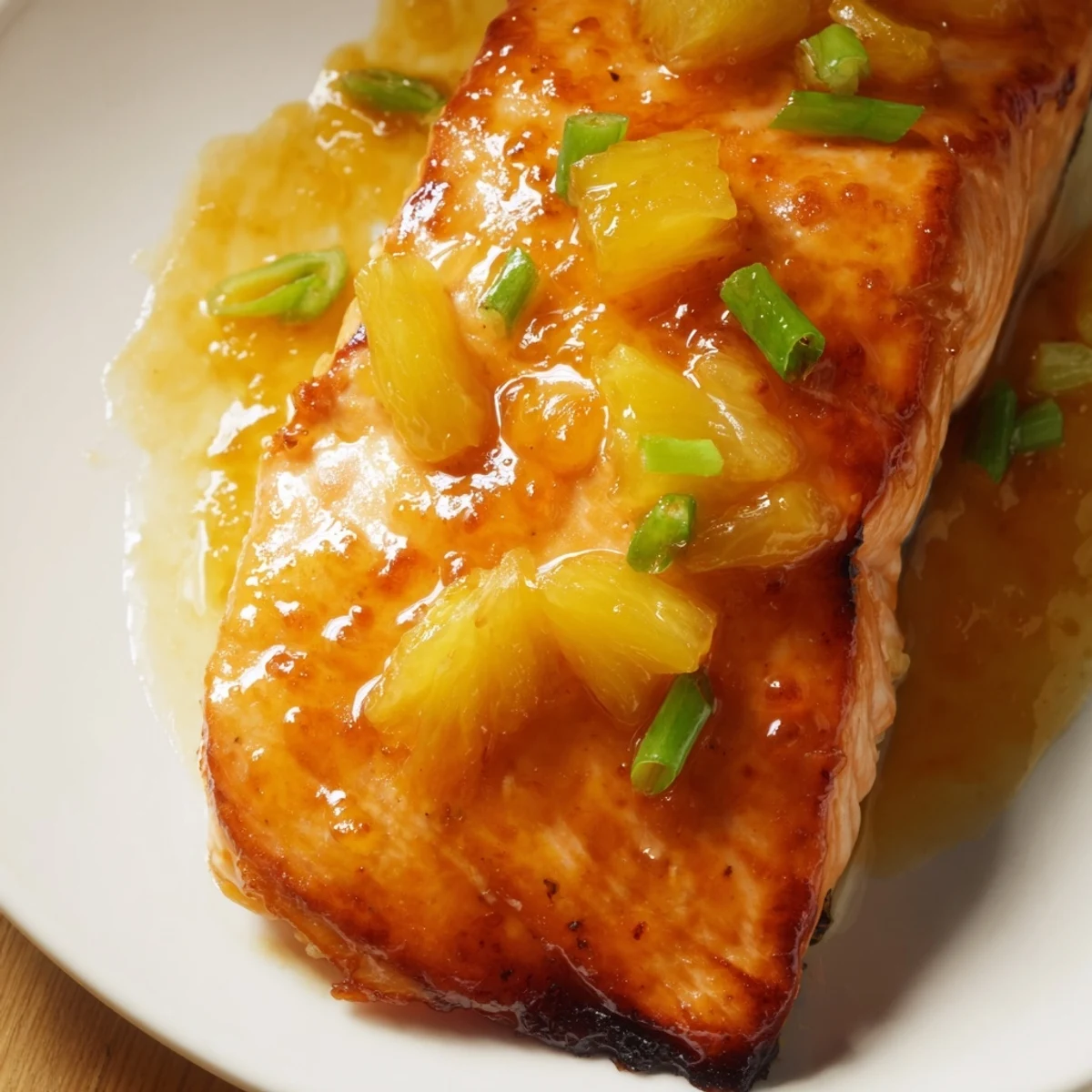
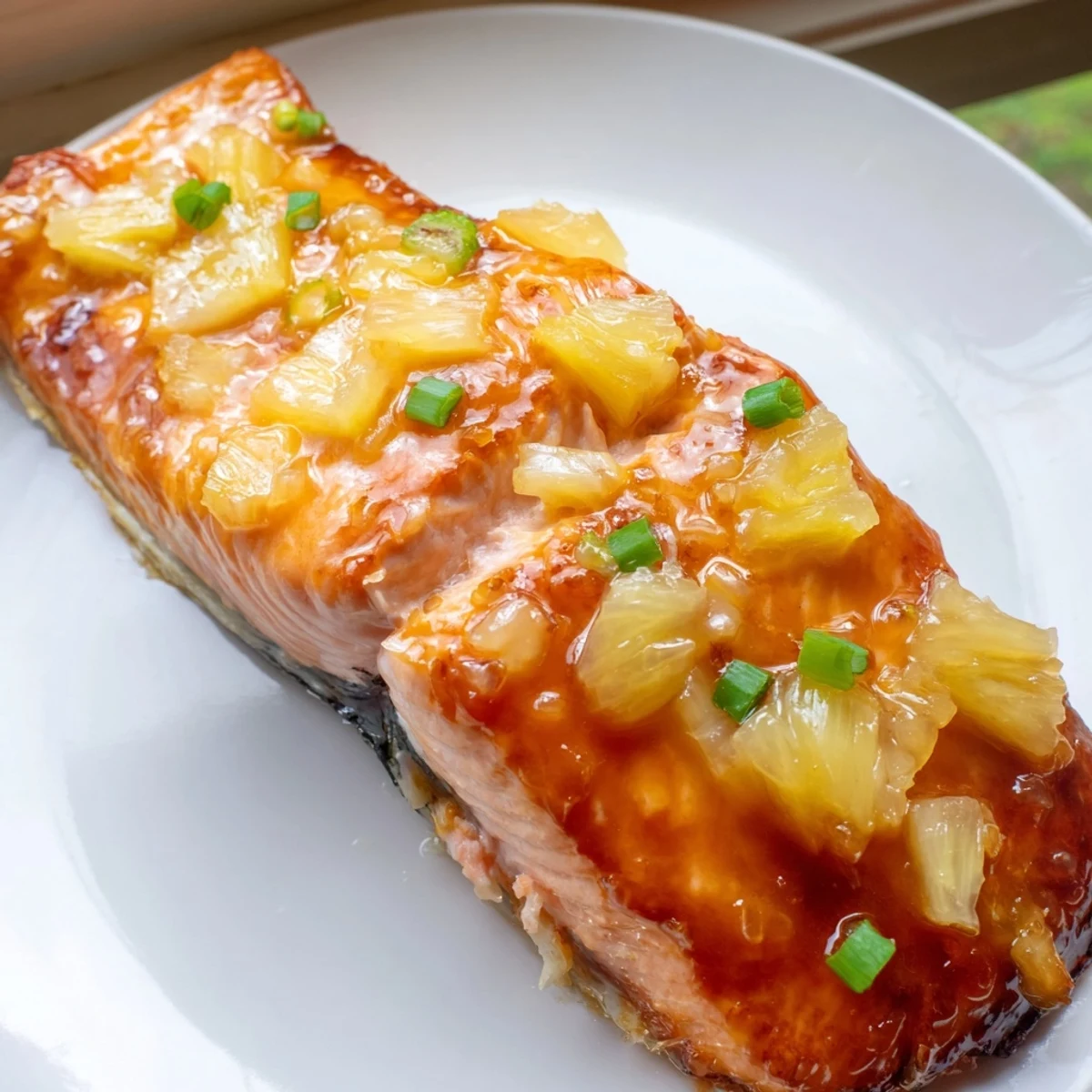
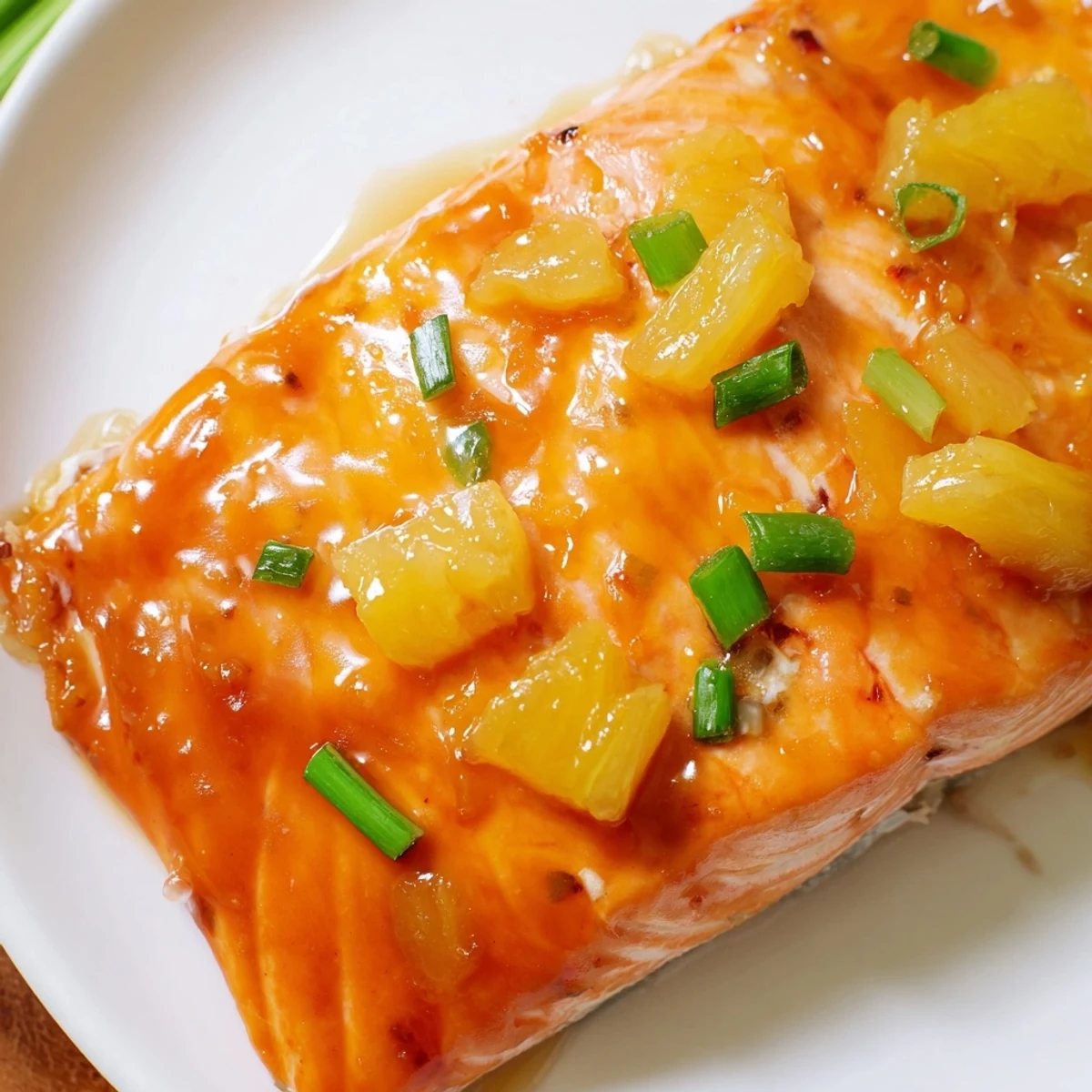
 This honey pineapple glazed salmon brings together the natural richness of fresh salmon fillets with a vibrant, fruity glaze made from pineapple juice, honey, soy sauce, and ginger. The glaze simmers into a glossy coating that caramelizes beautifully in the oven, creating a balance of sweet, savory, and tangy flavors in every bite.
Ready in just 35 minutes with 15 minutes of prep, this dish works beautifully for both casual weeknight dinners and entertaining guests. Serve alongside jasmine rice and steamed vegetables for a complete, satisfying meal.
My kitchen still smells like caramelized pineapple every time I think about this salmon. It started on a rainy Tuesday when the only protein in my fridge was a lonely pack of salmon fillets and a half used can of pineapple juice sat in the door. Twenty minutes later I was standing at the counter eating straight off the baking sheet, no plate, no shame.
I made this for my neighbor Dana after she helped me jump my car in a downpour. She stood in my doorway dripping wet, holding jumper cables, and I promised her dinner as thanks. She now texts me every Friday asking if the salmon is happening again.
Ingredients
- Salmon fillets: Four pieces around 150 to 180 grams each, skin on or off depending on your preference, but skin on holds together beautifully during baking.
- Pineapple juice: Half a cup, fresh squeezed or canned unsweetened, and this is the backbone of the entire glaze so do not skip it.
- Honey: A quarter cup gives the glaze its golden stickiness and balances the acid in the pineapple.
- Soy sauce: Two tablespoons, or use gluten free tamari if you need to keep it wheat free.
- Vinegar: One tablespoon of rice vinegar or apple cider vinegar for that subtle sharpness that makes everything pop.
- Olive oil: One tablespoon helps the glaze coat the fish evenly and keeps it from drying out.
- Garlic: Two cloves minced fine because raw garlic in a warm glaze is one of the best smells in any kitchen.
- Fresh ginger: One teaspoon grated, and fresh really does matter here over dried powder.
- Cornstarch: One tablespoon optional, mixed with two tablespoons water, but it turns a thin sauce into a proper glossy glaze.
- Garnishes: Fresh diced pineapple, chopped cilantro or green onion, and lime wedges for squeezing over the top at serving.
Instructions
- Preheat and prepare:
- Set your oven to 200 degrees Celsius or 400 Fahrenheit and line a baking tray with parchment paper or a light brush of oil so nothing sticks.
- Build the glaze:
- In a small saucepan combine the pineapple juice, honey, soy sauce, vinegar, olive oil, garlic, and ginger. Bring it to a gentle simmer over medium heat and stir frequently for about three to four minutes until the kitchen smells incredible.
- Thicken if you want:
- Dissolve the cornstarch in two tablespoons of cold water, stir it into the saucepan, and let it bubble for one to two more minutes until it coats the back of a spoon like syrup.
- Prep the salmon:
- Pat the fillets dry with paper towels because moisture is the enemy of a good glaze adhering to the fish. Season them lightly with salt and pepper and lay them on the tray.
- First coat:
- Brush about half the glaze generously over each fillet, saving the rest for a second pass halfway through baking.
- Bake and baste:
- Slide the tray into the oven for twelve to fifteen minutes, brushing on the remaining glaze around the seven minute mark. The salmon is ready when it flakes easily with a fork.
- Finish and serve:
- Pull the tray out, scatter diced pineapple and cilantro or green onion over the top, and hand everyone a lime wedge for squeezing.
 Save to Pinterest
 The night I realized this recipe had become a regular in my rotation, I found myself buying pineapple juice specifically for it instead of using leftovers. That small shift from making do to planning ahead told me this one was permanent.
What to Serve Alongside
Jasmine rice is my default because it soaks up whatever glaze runs off the fish. Steamed broccoli or a quick cucumber salad with sesame oil balances the sweetness nicely. Quinoa works too if you want something heartier and protein packed.
Grilling Instead of Baking
In summer I move this outside to the grill over medium heat with the fish skin side down. The glaze caramelizes even more over open flame and you get faint char marks that add a smoky layer the oven cannot replicate. Just keep a close eye on it because the sugars in honey catch fast.
Adjusting for Your Taste
A pinch of chili flakes in the glaze wakes everything up with gentle heat that does not overwhelm the sweetness. If you prefer a deeper, earthier sweetness, swap the honey for maple syrup and it still works beautifully.
- Start with a quarter teaspoon of chili flakes and taste before adding more.
- Maple syrup pairs especially well if you are serving this with roasted sweet potatoes.
- Always taste the glaze before it goes on the fish so you can adjust salt or acid to your liking.
 Save to Pinterest
 This is the kind of recipe that makes a random weeknight feel a little more special without any extra effort. Keep some pineapple juice in your pantry and you are always twenty minutes away from something great.
Frequently Asked Questions
- → Can I grill the salmon instead of baking it?
-
Yes, you can grill the salmon over medium heat, skin-side down if the skin is on. Brush with the glaze as it cooks, and monitor closely to avoid burning the sweet honey coating.
- → How do I know when the salmon is fully cooked?
-
The salmon is done when it flakes easily with a fork and reaches an internal temperature of 63°C (145°F). Baking typically takes 12–15 minutes at 200°C (400°F), depending on fillet thickness.
- → Can I make the glaze thicker?
-
Absolutely. Dissolve 1 tablespoon of cornstarch in 2 tablespoons of water and stir it into the simmering glaze. Cook for another 1–2 minutes until it reaches your desired consistency.
- → What sides pair well with this dish?
-
Jasmine rice, steamed vegetables, or quinoa are excellent choices. A crisp green salad or roasted asparagus also complement the sweet and savory flavors beautifully.
- → Is this dish gluten-free?
-
It can be gluten-free if you use gluten-free soy sauce or tamari. Double-check all condiment labels to ensure no hidden gluten ingredients are present.
- → Can I substitute the honey with something else?
-
Maple syrup works as a great substitute for honey, offering a slightly different but equally delicious sweetness profile. Brown sugar can also be used in a pinch.