
 Save to Pinterest
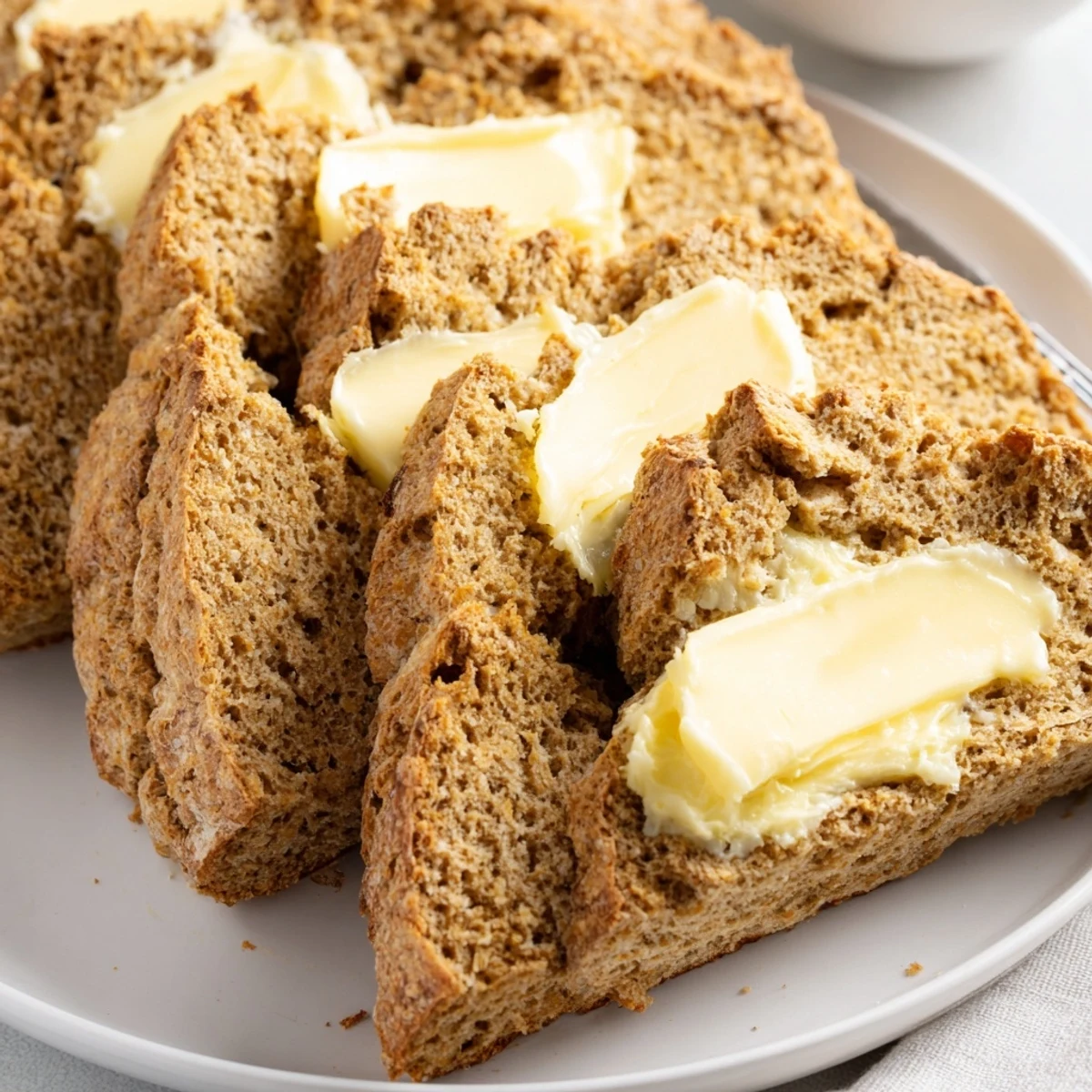
 This classic Irish soda bread features a crisp golden crust and a tender, moist crumb. Made with simple pantry staples including flour, baking soda, salt, and cold buttermilk, it requires minimal kneading and a quick bake. A deep cross is scored atop the loaf to ensure even cooking. Best served warm with creamy Irish butter, it pairs beautifully with breakfast, soups, or stews. Variations include adding whole wheat flour or dried fruits for added texture and flavor.
The smell of baking soda bread still pulls me back to a rainy Tuesday in a tiny Dublin kitchen, where I learned that the best things in life often take less than an hour to make. My host mother laughed when I asked for the yeast, then showed me how buttermilk and baking soda create something magical together. That afternoon, watching steam curl off the warm loaf while rain tapped against the windowpane, I understood why this bread has been Irish comfort food for generations.
I once made six loaves in a single weekend during a particularly cold March, testing variations with whole wheat flour and raisins until my kitchen looked like a bakery. My roommate stopped asking what was for breakfast and started setting out the butter dish before I even turned on the oven. Some mornings we'd eat it warm, still slightly steaming, watching frost melt on the windows, and I realized this bread was about more than sustenance, it was about slowing down.
Ingredients
- All-purpose flour (4 cups): The backbone of the bread, providing structure and that satisfying chew. I've learned that measuring by weight when possible gives more consistent results.
- Baking soda (1 teaspoon): Reacts instantly with the buttermilk to create the rise. Fresh baking soda matters, so check that expiration date.
- Fine sea salt (1 teaspoon): Enhances flavor and helps strengthen the gluten network. Coarser salt works too but might leave salty pockets.
- Granulated sugar (1 tablespoon): Just enough to balance the tang of buttermilk and help with browning. Completely optional if you prefer a more traditional approach.
- Buttermilk (1 3/4 cups): Cold buttermilk is nonnegotiable for proper activation with the baking soda. The acidity and thickness create the perfect tender crumb.
- Irish butter: For serving. The higher butterfat content in Irish butter makes all the difference, but really any good butter at room temperature will do.
Instructions
- Heat things up:
- Crank your oven to 425°F (220°C) and line a baking sheet with parchment paper. A hot oven is crucial for that dramatic initial rise that creates the beautiful crust.
- Mix the dry team:
- Whisk flour, baking soda, salt, and sugar in a large bowl until everything is evenly distributed. Take your time here, good mixing means better texture later.
- Bring it together:
- Make a well in the center and pour in most of the buttermilk. Use your hand or a wooden spoon to mix gently, adding more buttermilk only if the dough seems too dry to come together.
- Minimal kneading:
- Turn the dough onto a floured surface and knead for about 30 seconds, just until it holds together. Overworking is the enemy of tender soda bread.
- Shape and score:
- Form the dough into a round loaf about 2 inches thick and place it on your prepared baking sheet. Cut a deep cross on top with a sharp knife, this helps the bread bake evenly and is traditional.
- Bake to golden perfection:
- Bake for 35 to 40 minutes until the loaf is deeply golden and sounds hollow when tapped on the bottom. The bottom should be firm and browned.
- Patience pays off:
- Cool on a wire rack for at least 10 minutes before slicing. This resting period completes the cooking process and makes slicing easier.
 Save to Pinterest
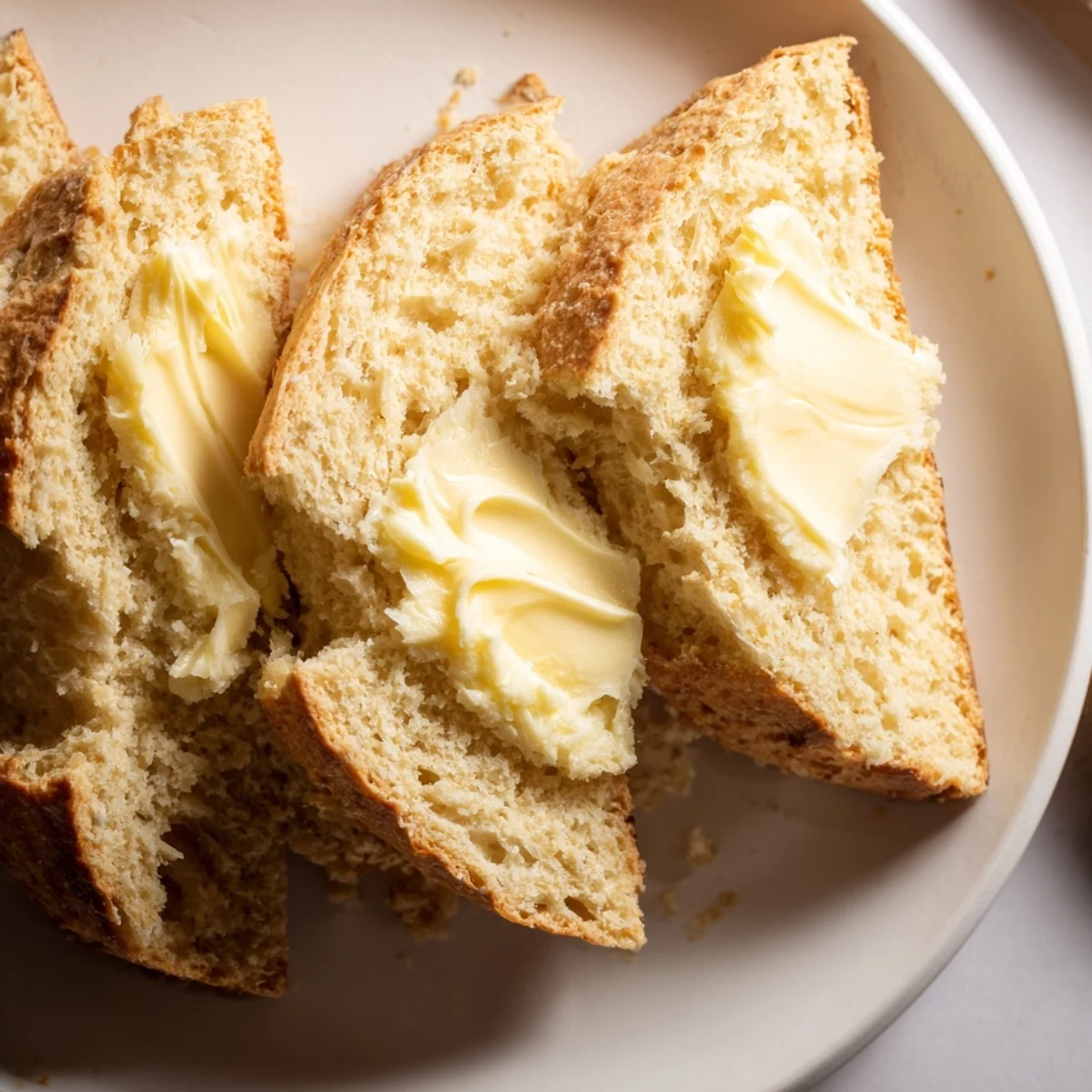
 There's something profoundly satisfying about breaking into a loaf you made yourself, watching steam escape and butter melt into every warm crevice. This bread became my go-to for bringing to friends houses, for rainy Sunday breakfasts, for those moments when only warm bread and good company will do.
Choosing Your Flour
While allpurpose flour creates the most reliable results, I've fallen in love with using half whole wheat flour for a nuttier, more substantial loaf. The key is not to go above 50 percent whole wheat or the bread becomes too dense and heavy. Whole wheat also absorbs more liquid, so you might need an extra splash of buttermilk to achieve the same soft dough consistency. Some Irish recipes use a portion of finely ground oatmeal for lovely texture and flavor.
Temperature Matters
Cold ingredients are your friend in soda bread making. Keep your buttermilk in the fridge until the exact moment you need it, and work in a cool kitchen if possible. The contrast between cold dough and a hot oven creates that beautiful oven spring that gives soda bread its characteristic height and texture. I've made the mistake of using room temperature buttermilk, and the difference in the final loaf was noticeably less impressive.
Making It Your Own
Soda bread welcomes additions like few other quick breads do. I've added everything from cheddar cheese and scallions to warm spices and dried fruits, each creating something entirely new while still being recognizably soda bread. Just remember that wetter additions like fresh herbs might require slightly adjusting your flour ratio, and heavier ingredients like nuts or seeds should be folded in gently at the very end to avoid overworking the dough.
- Add a handful of raisins or currants for a sweeter breakfast bread
- Mix in shredded cheddar and fresh herbs for a savory dinner version
- Try brushing the top with cream before baking for an extra golden crust
 Save to Pinterest
 May your kitchen be filled with the smell of warm bread and the sound of friends asking when they can eat it.
Frequently Asked Questions
- → What gives soda bread its rise?
-
Baking soda reacts with the acidity in buttermilk to create bubbles, causing the dough to rise without yeast.
- → How should I shape the dough before baking?
-
Form the dough into a thick round loaf and cut a deep cross on top to help it bake evenly and create the traditional look.
- → Can I substitute buttermilk in this bread?
-
Buttermilk’s acidity is key to activating the baking soda, but a mix of milk and lemon juice or vinegar can be used as substitutes.
- → What is the best way to serve this bread?
-
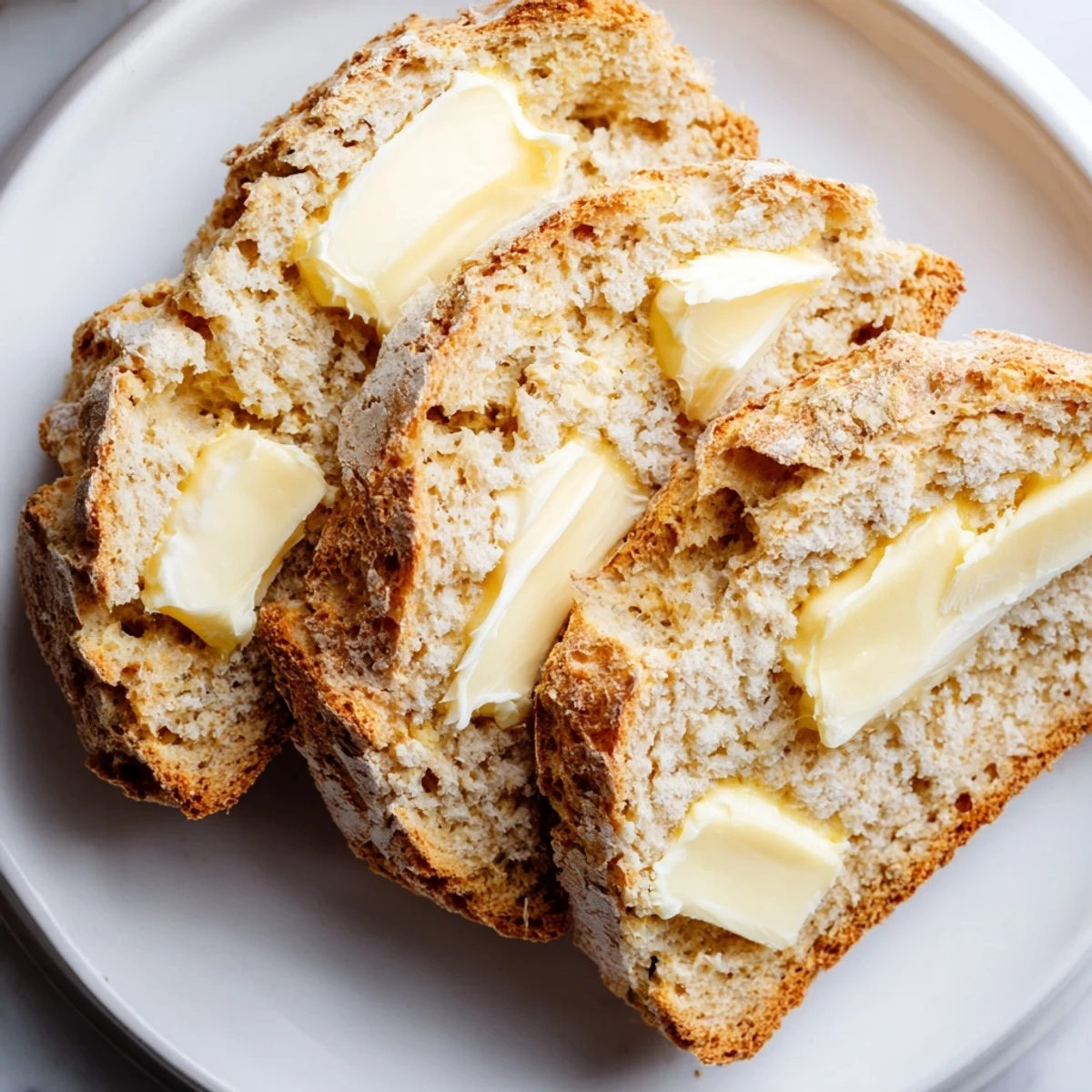
Serve warm, thickly sliced and spread with Irish butter for a rich, traditional taste.
- → How soon should this bread be eaten?
-
It’s best enjoyed fresh the same day, but slices can be toasted the following day to restore crispness.
- → Can I add extra ingredients for flavor?
-
Yes, incorporating raisins, currants, or using part whole wheat flour can add sweetness and texture to the loaf.