
 Save to Pinterest
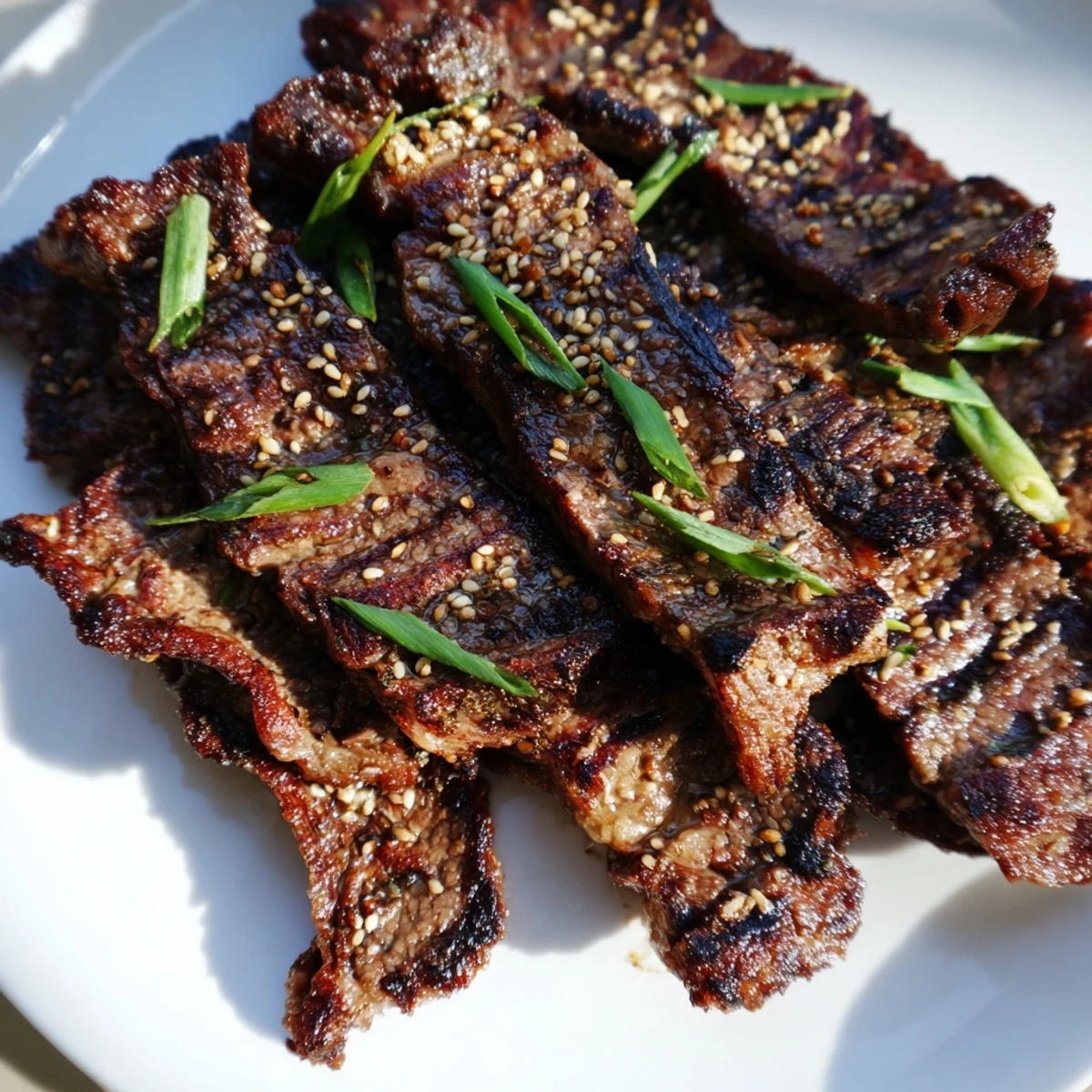
 These Korean-style beef short ribs feature a mouthwatering marinade blending soy sauce, brown sugar, honey, and aromatic Asian pear. The fruit enzymes naturally tenderize the meat while adding subtle sweetness. After marinating for several hours, the ribs develop deep, complex flavors. Grilling creates beautiful caramelization and light char around the edges. The result is incredibly tender, juicy meat with that perfect balance of salty, sweet, and smoky notes that defines authentic Korean barbecue.
The first time I had Korean galbi was at a bustling backyard BBQ where my friend's dad manned the grill with serious focus. The smell of caramelizing soy and sesame hitting the hot coals made everyone drift toward the patio. One bite of those tender, charred ribs and I understood why this dish shows up at every Korean celebration worth attending. I've been obsessed with recreating that perfect balance of sweet and smoky ever since.
Last summer I made these for a crowd of skeptics who claimed they didn't like beef ribs. The grill was sizzling, drinks were poured, and suddenly those same people were hovering around asking when they'd be ready. Watching someone's face light up after that first bite—the shock of how tender and flavorful they are—that's the kind of kitchen moment that makes recipe testing worth every failed attempt.
Ingredients
- 2 lbs flanken-cut beef short ribs: The cross-cut across the bone is traditional and helps the marinade penetrate deeply while creating those perfect grill marks
- 1/2 cup soy sauce: The foundation of our savory base, providing that essential umami punch
- 1/4 cup brown sugar: Dark brown sugar gives the marinade depth and helps create that gorgeous caramelized crust
- 2 tbsp honey: Adds floral sweetness that balances the salty soy sauce beautifully
- 2 tbsp mirin: Japanese sweet rice wine adds subtle sweetness and helps the glaze cling to the meat
- 2 tbsp sesame oil: Toasted sesame oil brings that unmistakable nutty aroma that screams Korean BBQ
- 4 cloves garlic, minced: Fresh garlic is non-negotiable here—jarred minced garlic lacks the punch we need
- 1 thumb-sized piece fresh ginger, grated: Grating releases more flavor juices than chopping, and you don't want fibrous bits in your glaze
- 1 small Asian pear, grated: The natural enzymes in Asian pear break down connective tissue, making the meat incredibly tender
- 1/2 small onion, grated: Onion adds sweetness and depth that rounds out the bold flavors
- 1/4 tsp freshly ground black pepper: Just enough to add a subtle warmth without overpowering the marinade
- 2 green onions, finely sliced: Added to the marinade for mellow onion flavor that infuses the meat
- 1 tbsp toasted sesame seeds: These get mixed into the marinade for a subtle nutty crunch
- 1 green onion, thinly sliced: Fresh garnish adds brightness and a pop of color right before serving
- 1 tsp toasted sesame seeds: Final garnish for that restaurant-worthy presentation
Instructions
- Rinse and prep the ribs:
- Give those short ribs a thorough rinse under cold water to wash away any bone fragments from the butcher. Pat them completely dry with paper towels because water on the surface will steam instead of char on the grill.
- Whisk together the marinade:
- In a large bowl, combine the soy sauce, brown sugar, honey, mirin, and sesame oil. Stir vigorously until the sugar has completely dissolved into the liquid.
- Add the aromatics:
- Mix in the minced garlic, grated ginger, grated pear, grated onion, black pepper, sliced green onions, and sesame seeds. The mixture should smell absolutely incredible at this point.
- Marinate the beef:
- Add the short ribs to the bowl and turn them several times to ensure every surface is coated. Cover and refrigerate for at least 4 hours, though overnight will give you the most flavorful, tender results.
- Fire up the grill:
- Preheat your grill or grill pan over medium-high heat until it's nice and hot. Pull the ribs from the fridge and let them sit at room temperature for about 15 minutes while the grill heats up.
- Grill to perfection:
- Shake off any excess marinade and place the ribs on the hot grill. Cook for 3 to 4 minutes per side until you see beautiful caramelization and those coveted charred edges.
- Finish and serve:
- Transfer the ribs to a serving platter and immediately sprinkle with fresh green onion slices and sesame seeds. Serve them hot while the edges are still sizzling and caramelized.
 Save to Pinterest
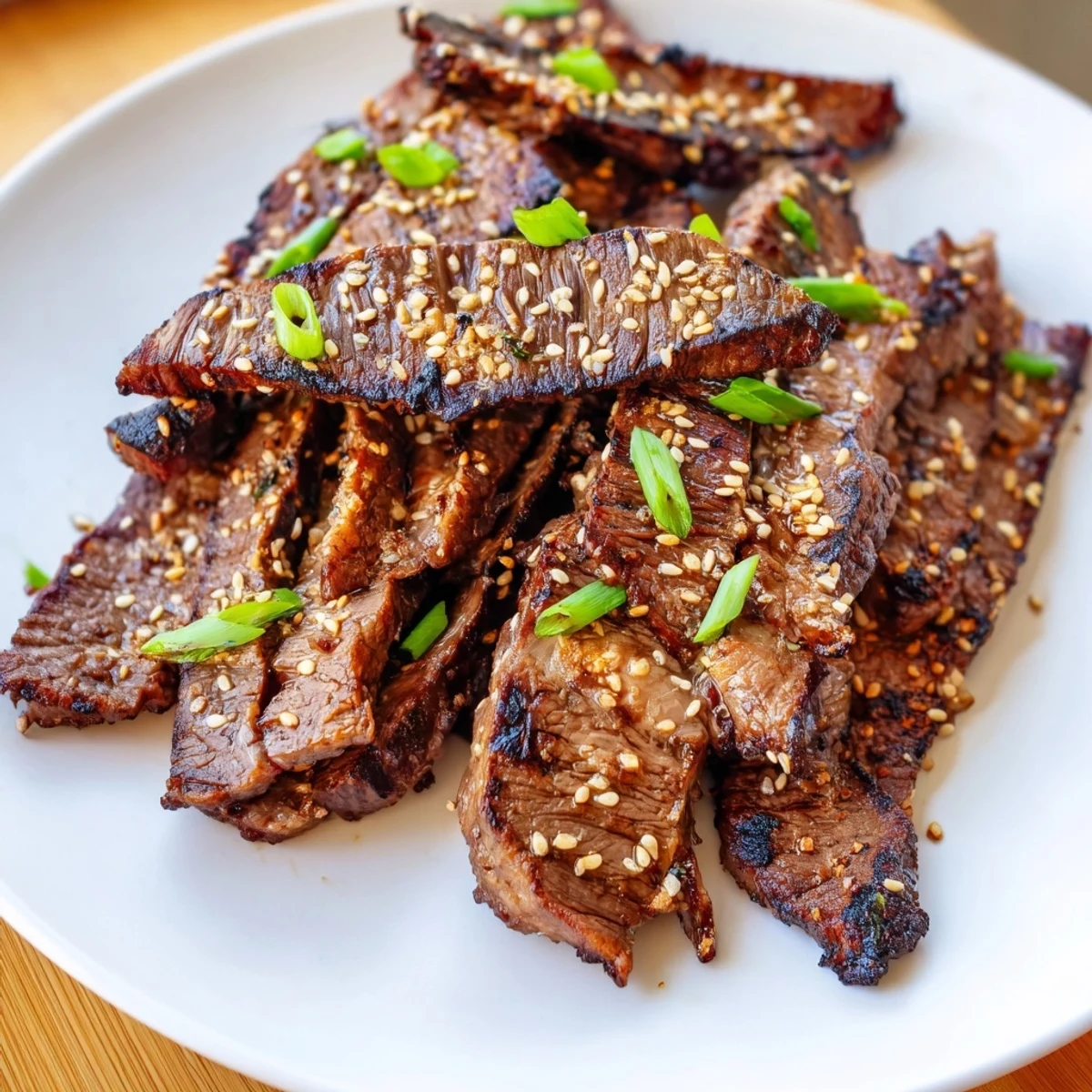
 These ribs have become my go-to for summer dinner parties because they feel fancy but are actually quite forgiving. Last weekend I served them alongside simple steamed rice and a bowl of spicy kimchi, and my guests acted like I'd cooked for days. The truth is, the magic happens in the fridge while I'm busy doing literally anything else.
The Secret to Perfect Caramelization
I learned the hard way that patience is everything when grilling galbi. One year I kept moving the ribs around, terrified they'd burn, and ended up with gray, steamed meat and disappointed guests. Now I let them sear undisturbed until they naturally release from the grates—that caramelized crust is worth every second of willpower.
Marinade Magic
The pear in this marinade isn't just for sweetness, it's a culinary workhorse. I've tested batches with and without it, and the difference in tenderness is genuinely shocking. If you can't find Asian pear, a kiwi works just as well—both contain enzymes that break down tough muscle fibers while the meat marinates.
Make-Ahead Mastery
The beauty of galbi is that it actually tastes better when you plan ahead. I like to get the ribs marinating in the morning, or even the night before, which means dinner prep becomes practically effortless when it's time to eat. The flavors deepen and mingle, transforming good beef into something extraordinary.
- Double the marinade and freeze half-marinated ribs for a future effortless dinner
- Set out all your garnishes before you start grilling so you can serve immediately
- Have extra rice ready—these ribs disappear faster than you expect
 Save to Pinterest
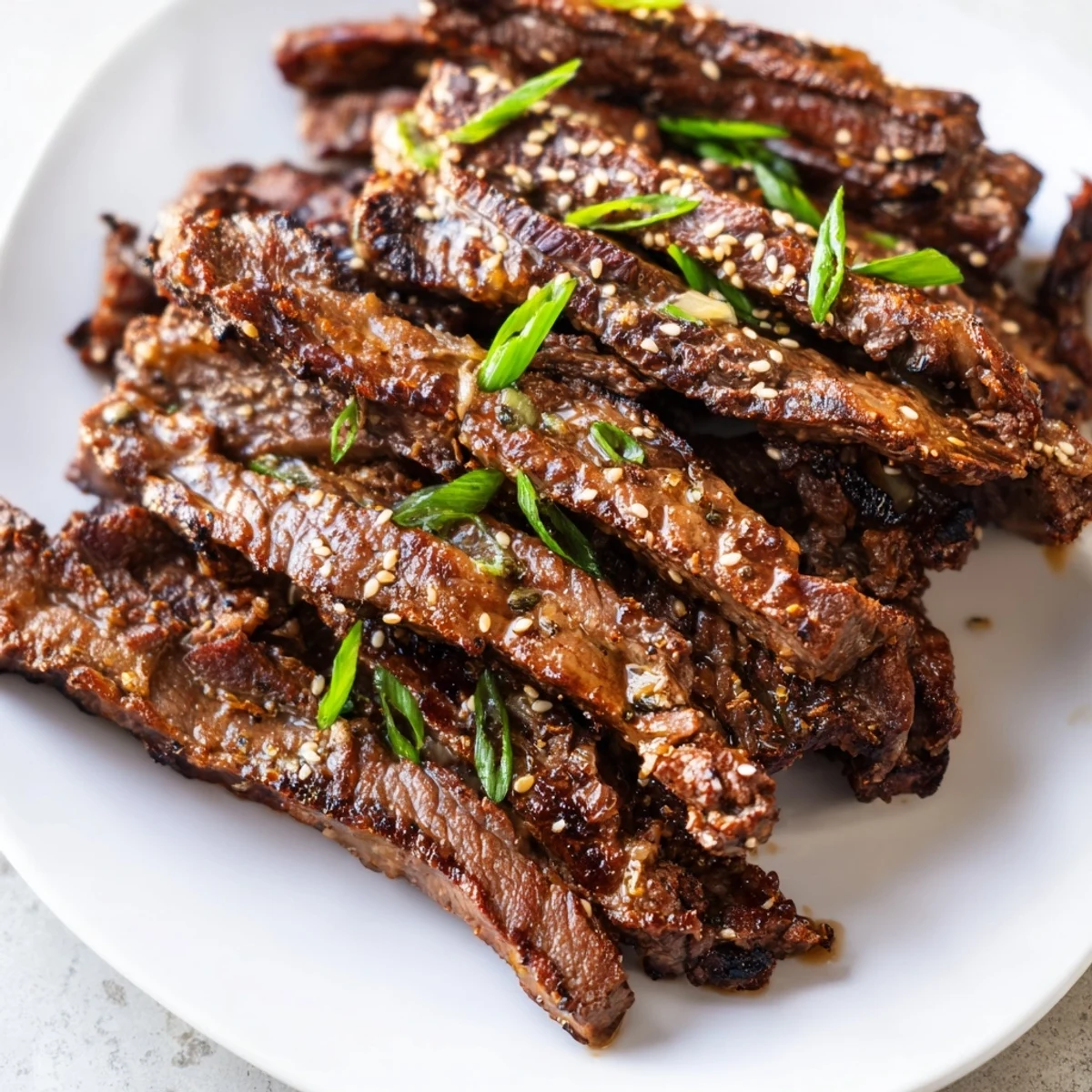
 There's something deeply satisfying about food that brings people together around the grill, drinks in hand, waiting for that perfect moment when the ribs are ready. These galbi ribs always deliver that moment and then some.
Frequently Asked Questions
- → What cut of beef works best for galbi?
-
Flanken-cut beef short ribs are traditional for galbi. These are cut across the bone into thin strips, allowing the marinade to penetrate quickly and cook evenly on the grill.
- → Why is Asian pear included in the marinade?
-
Asian pear contains natural enzymes that tenderize the meat while adding delicate sweetness. The fruit also helps create a beautiful caramelized crust when grilled. If unavailable, apple or kiwi makes excellent substitutes.
- → How long should I marinate the ribs?
-
Minimum 4 hours for decent flavor absorption, but overnight marinating yields the most tender, flavorful results. The extended time allows the pear enzymes to fully break down muscle fibers.
- → Can I cook galbi indoors?
-
A grill pan or cast-iron skillet works beautifully for indoor preparation. Preheat over medium-high heat and cook 3-4 minutes per side. You may miss some smoky notes, but the flavor remains outstanding.
- → What should I serve with Korean grilled ribs?
-
Steamed white rice and kimchi are classic accompaniments. Banchan like pickled vegetables, spinach salad, or bean sprout soup round out the meal beautifully. Light lager or Korean soju pair perfectly.
- → Can I make galbi gluten-free?
-
Absolutely. Simply substitute regular soy sauce with gluten-free tamari or coconut aminos. All other ingredients are naturally gluten-free, making this an easy adaptation.