
 Save to Pinterest
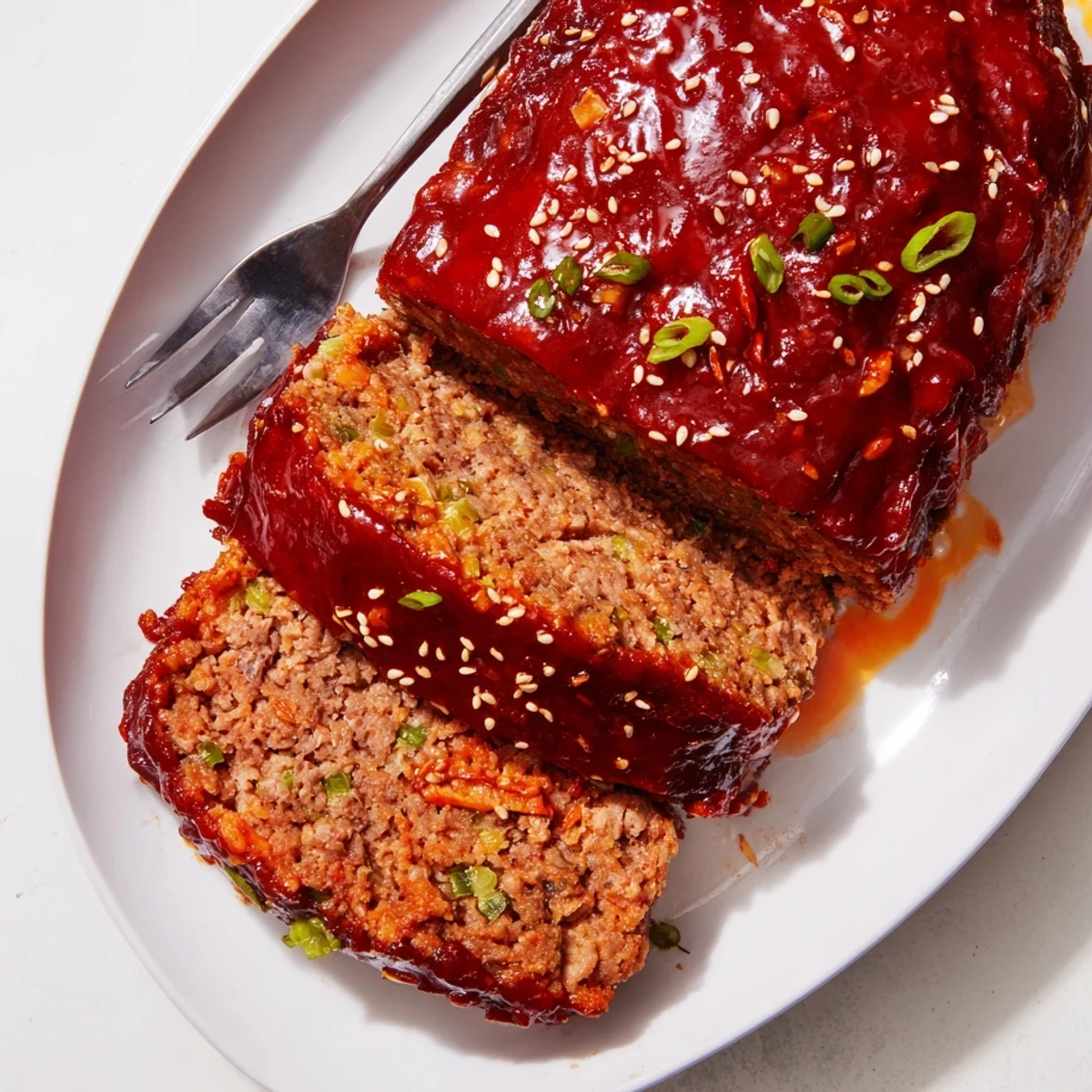
 This Korean-inspired meatloaf combines juicy ground beef and pork with panko, green onions, grated carrot, garlic, and fresh ginger. The mixture gets its signature flavor from gochujang, soy sauce, and toasted sesame oil. After baking, it's brushed with a tangy glaze made from gochujang, ketchup, honey, rice vinegar, and more sesame oil. The result is a moist, flavorful main dish that pairs perfectly with steamed rice and kimchi.
The first time my Korean-American neighbor brought this meatloaf to a potluck, I honestly thought she was joking. Then I took a bite and spent the next month hunting down gochujang at every grocery store in town. The way that spicy-sweet glaze caramelizes on top while the inside stays impossibly juicy changed everything I thought I knew about meatloaf.
Last winter my husband requested this for his birthday dinner instead of a steak. His entire family stared at me like I was crazy when I described Korean meatloaf, but by the time dessert rolled around, they were all fighting over the leftovers. Now it's the most requested dish at every family gathering, and I've started quadrupling the glaze recipe because everyone wants extra.
Ingredients
- 1 ½ lbs ground beef (80/20): The fat ratio is crucial here, I tried using lean beef once and it was like eating a brick
- ½ lb ground pork: This keeps everything moist and adds a subtle sweetness that beef alone can't achieve
- 1 cup panko breadcrumbs: Japanese breadcrumbs are lighter than regular ones, creating the perfect tender crumb
- 2 large eggs: These bind everything together without making the mixture tough or rubbery
- ½ cup whole milk: I've learned the hard way that this hydrates the panko properly for better texture
- 4 green onions, finely chopped: Their mild onion flavor melts into the background while adding fresh pops throughout
- 1 medium carrot, grated: Adds natural sweetness and keeps the meatloaf from becoming too dense
- 3 cloves garlic, minced: Fresh garlic is non-negotiable here, powdered just doesn't have the same punch
- 1-inch piece fresh ginger, grated: This brightens all the rich flavors and makes the house smell amazing while baking
- 2 tbsp gochujang (Korean chili paste): The backbone of the entire dish, look for one with good fermentation bubbles
- 2 tbsp soy sauce: Use a good quality brand, it really does make a difference in the final flavor
- 1 tbsp toasted sesame oil: Toasted not regular, this adds that unmistakable Korean fragrance
- 1 tsp salt and ½ tsp black pepper: Even with all the bold seasonings, you still need a solid foundation
- 3 tbsp gochujang for glaze: Don't skimp here, this creates that gorgeous lacquered finish
- 2 tbsp ketchup and 2 tbsp honey: The ketchup adds familiar tang while honey balances the heat with sweetness
- 1 tbsp soy sauce and 1 tbsp rice vinegar: Soy adds depth while vinegar cuts through the richness
- 1 tsp toasted sesame oil: A final flourish that ties all the glaze flavors together
Instructions
- Preheat and prep your pan:
- Get your oven to 375°F and line a 9x5 inch loaf pan with parchment paper, letting the ends hang over for easy removal later.
- Mix the meatloaf base:
- Combine both meats, panko, eggs, milk, green onions, carrot, garlic, ginger, 2 tablespoons gochujang, soy sauce, sesame oil, salt, and pepper in a large bowl, mixing gently with your hands until just combined.
- Shape and settle:
- Press the mixture into your prepared pan, using light pressure to remove air pockets without compacting it too tightly.
- Whisk up the glaze:
- Stir together the glaze ingredients in a small bowl until the gochujang, ketchup, honey, soy sauce, rice vinegar, and sesame oil are completely smooth.
- First glaze application:
- Spread half the glaze evenly over the top of your meatloaf, using the back of a spoon for even coverage.
- Bake and reglaze:
- Bake for 45 minutes, then pull it out, spread the remaining glaze over the top, and return to the oven for 10 more minutes until it reaches 160°F internally.
- Rest before slicing:
- Let the meatloaf rest for 10 minutes on the counter, using this time to gather everyone for dinner because cutting too early will make all those juices run out.
 Save to Pinterest
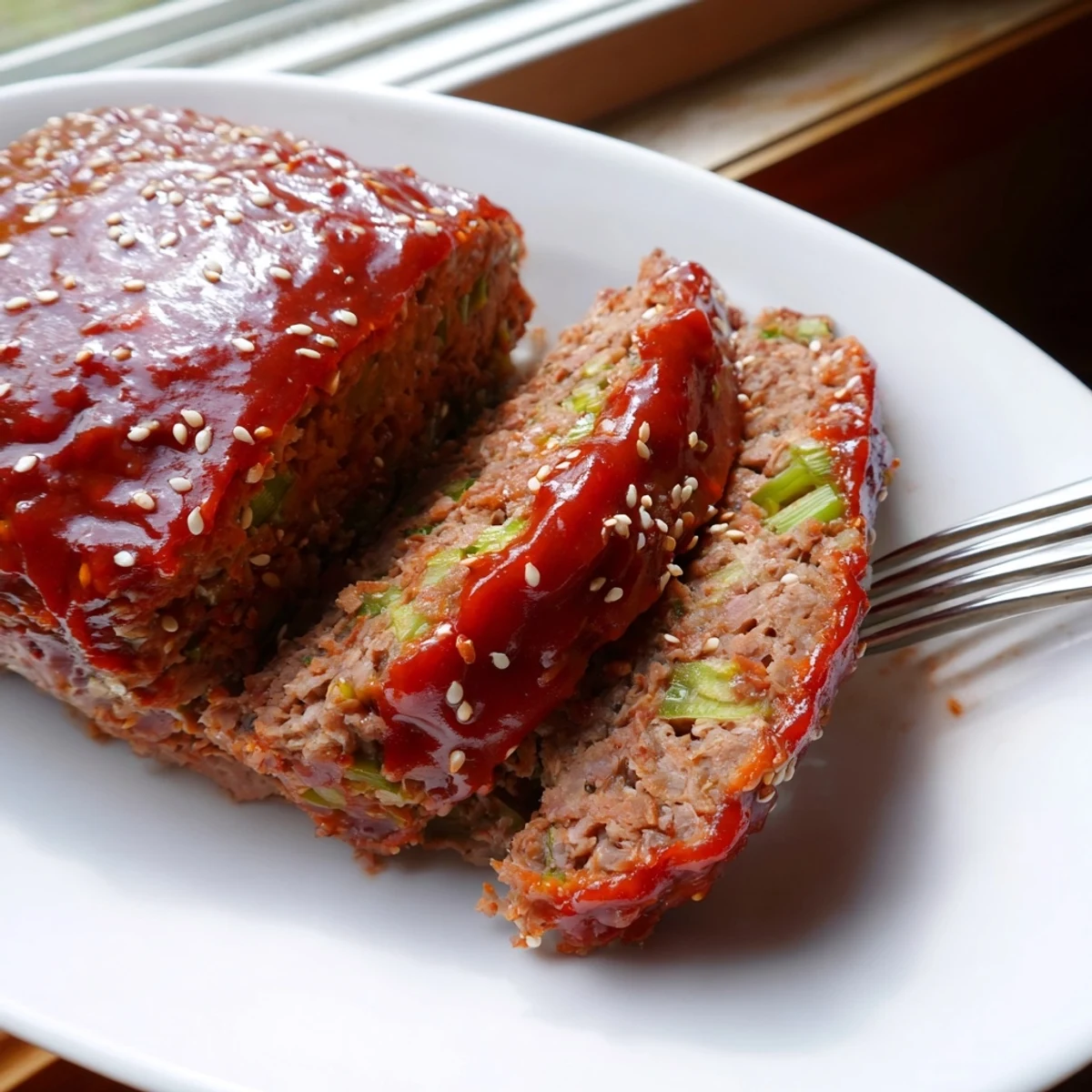
 My teenage daughter who swore she hated meatloaf now requests this for her birthday dinner every year. Watching her friends line up for seconds, completely unaware they're eating meatloaf, has become one of my favorite kitchen moments.
Making It Your Own
I've started adding a splash of fish sauce to the meat mixture when I want even more depth. It's not traditional but the umami boost makes people ask what your secret ingredient is. Just keep it subtle.
Serving Ideas
This meatloaf was practically born for steamed rice and kimchi, but don't stop there. The leftover slices make incredible sandwiches the next day, especially with some pickled vegetables and extra glaze drizzled over the top.
Storage Secrets
Wrap leftover slices tightly and they'll keep beautifully in the refrigerator for up to four days. The flavors actually develop and get better overnight, so don't stress about making too much.
- Freeze individual portions wrapped in plastic and foil for up to three months
- Reheat with a little extra glaze to refresh that sticky caramelized exterior
- The glaze can be made ahead and stored separately in the refrigerator for up to a week
 Save to Pinterest
 There's something deeply satisfying about taking a familiar comfort food and giving it this bold, unexpected twist. This is the kind of recipe that makes people excited about dinner again.
Frequently Asked Questions
- → What makes this meatloaf Korean-style?
-
The addition of gochujang (Korean chili paste), fresh ginger, grated carrot, green onions, and toasted sesame oil infuses the meatloaf with authentic Korean flavors.
- → Can I use only ground beef?
-
Yes, you can substitute the ground pork with additional ground beef, though the pork adds moisture and fat that keeps the meatloaf tender.
- → How spicy is the gochujang glaze?
-
The glaze has a mild to medium heat level. The honey and ketchup balance the spiciness, creating a sweet-savory finish.
- → What should I serve with this?
-
Steamed white rice, kimchi, and roasted or steamed vegetables like bok choy or broccoli make excellent sides.
- → How long do leftovers last?
-
Stored in an airtight container in the refrigerator, leftovers will keep for 3-4 days and also freeze well for up to 3 months.
- → Can I make this gluten-free?
-
Yes, use gluten-free panko or crushed gluten-free crackers, and ensure your gochujang and soy sauce are certified gluten-free brands.