
 Save to Pinterest
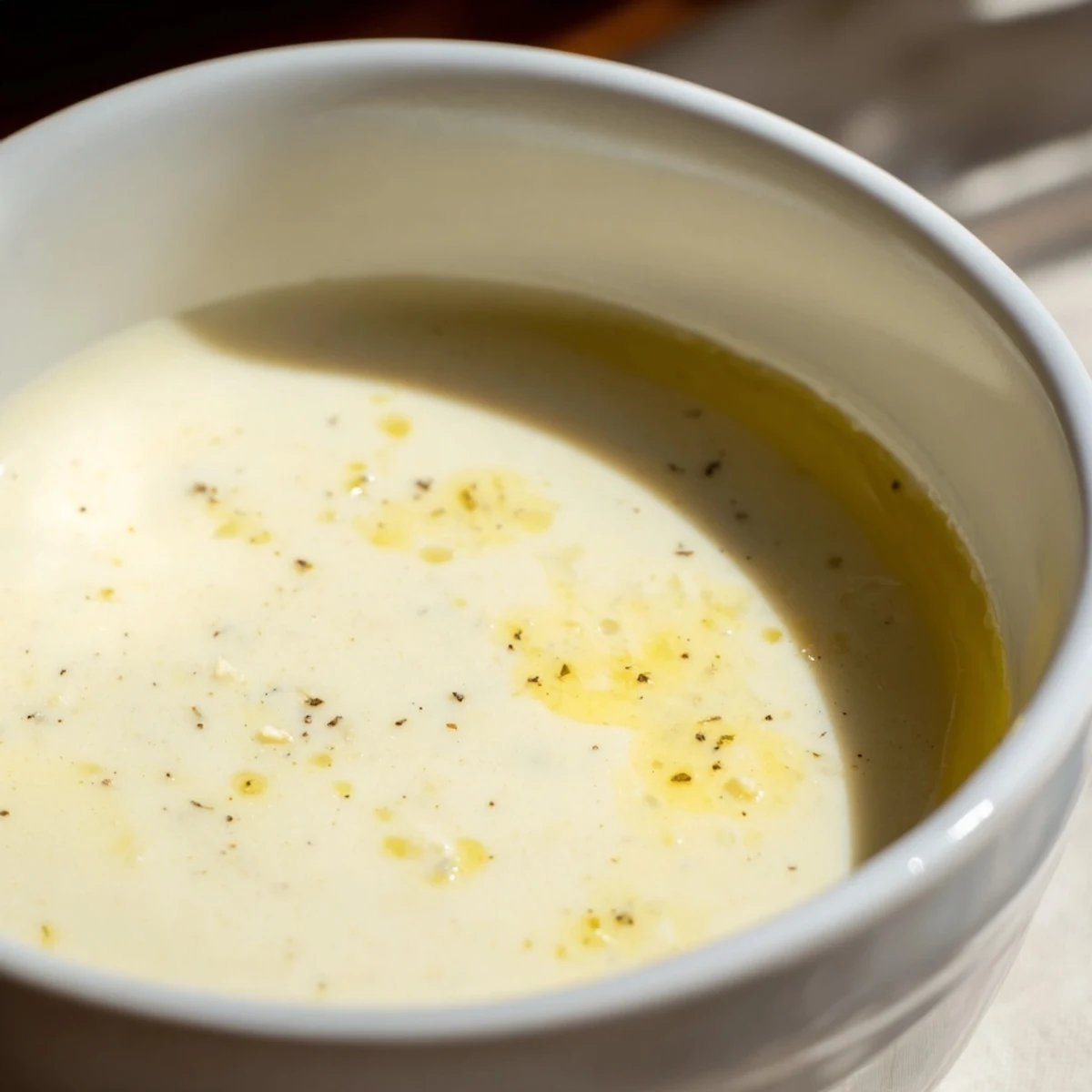
 This lemon Dijon combination creates a bright, tangy dressing perfect for enhancing salads, grain bowls, and roasted vegetables. With freshly squeezed lemon juice, sharp mustard, and a hint of honey or maple syrup balanced by garlic and olive oil, it delivers vibrant flavors and a smooth texture. Easy to whisk together in minutes, it suits vegetarian, gluten-free, and dairy-free diets. Use as a versatile sauce or marinade, and customize sweetness or acidity to taste.
The first time I made this dressing, I was trying to recreate something I'd tasted at a tiny neighborhood bistro that mysteriously closed down three months later. I kept tinkering with ratios every Sunday afternoon, my kitchen filling with that sharp citrus scent, until one day my roommate walked in, grabbed a spoon, and said 'This is it, don't change anything.' That batch disappeared within two days, drizzled on everything from roasted potatoes to leftover rice.
Last summer, I brought a mason jar of this to a potluck where the host had forgotten to make dressing for the enormous bowl of greens she'd prepared. People started asking for the recipe before they'd even finished their first bite, and someone actually jokingly tried to walk away with the leftover jar in their purse. Now it's my standard contribution to every gathering, right up there with wine and decent napkins.
Ingredients
- Freshly squeezed lemon juice: Bottled lemon juice makes the whole thing taste flat and sad, like a cafeteria salad bar disappointment
- Dijon mustard: This is what holds everything together and gives it that restaurant quality depth you can't quite put your finger on
- Honey or maple syrup: Just enough to take the sharp edge off the acidity without making it taste like dessert
- Garlic clove: Grate it on a microplane if you have one, otherwise mince it very finely so you don't bite into raw garlic chunks
- Fine sea salt: Coarse salt won't dissolve properly and you'll end up with gritty dressing
- Freshly ground black pepper: The freshly ground stuff actually matters here, don't use the pre-ground dust that's been in your pantry since 2019
- Extra virgin olive oil: This is the main event, so use something you'd put on bread, not the bargain stuff from the back of your cupboard
Instructions
- Build your flavor base first:
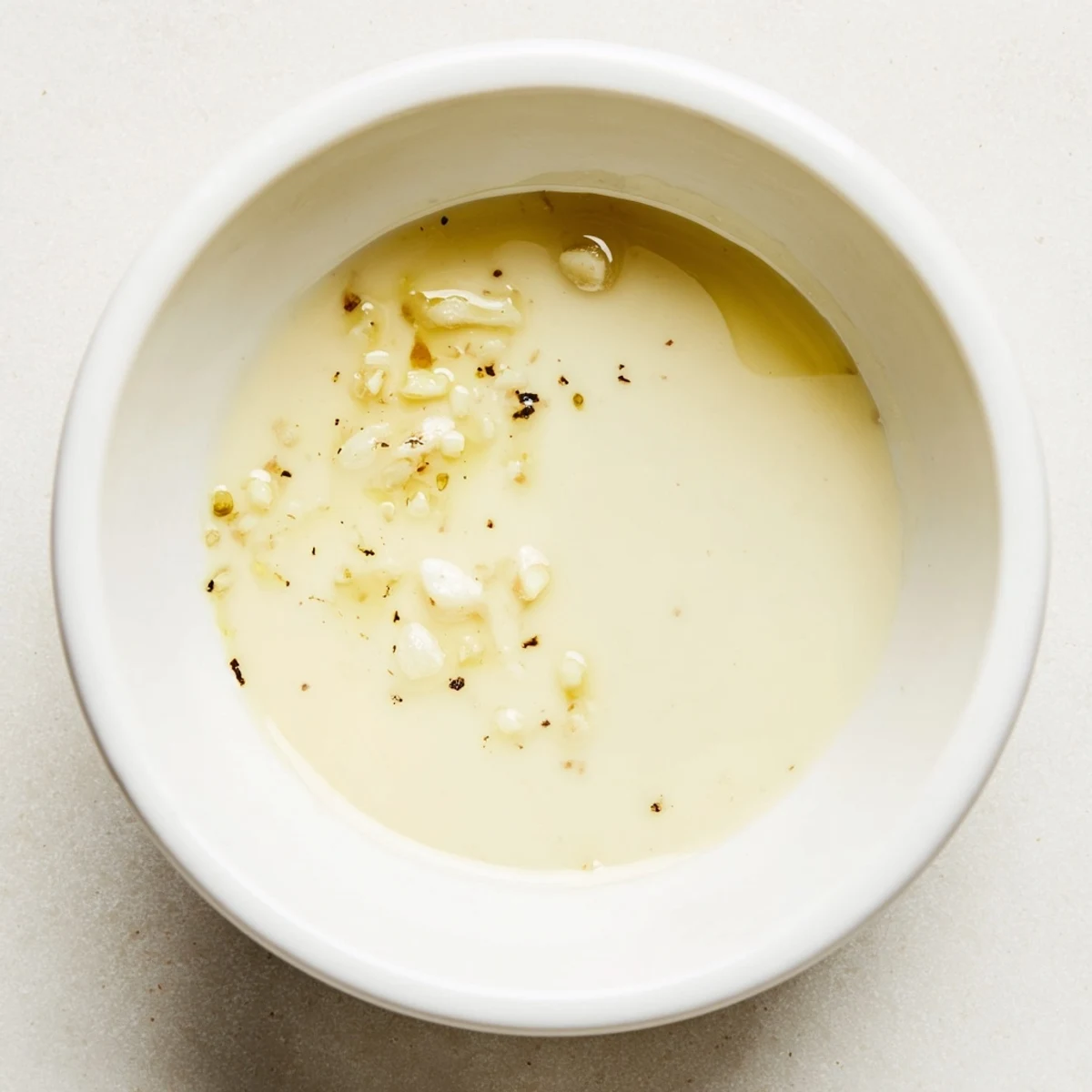
- Whisk together the lemon juice, Dijon mustard, honey, grated garlic, salt, and pepper in a medium bowl until the mustard dissolves completely.
- Create the emulsion:
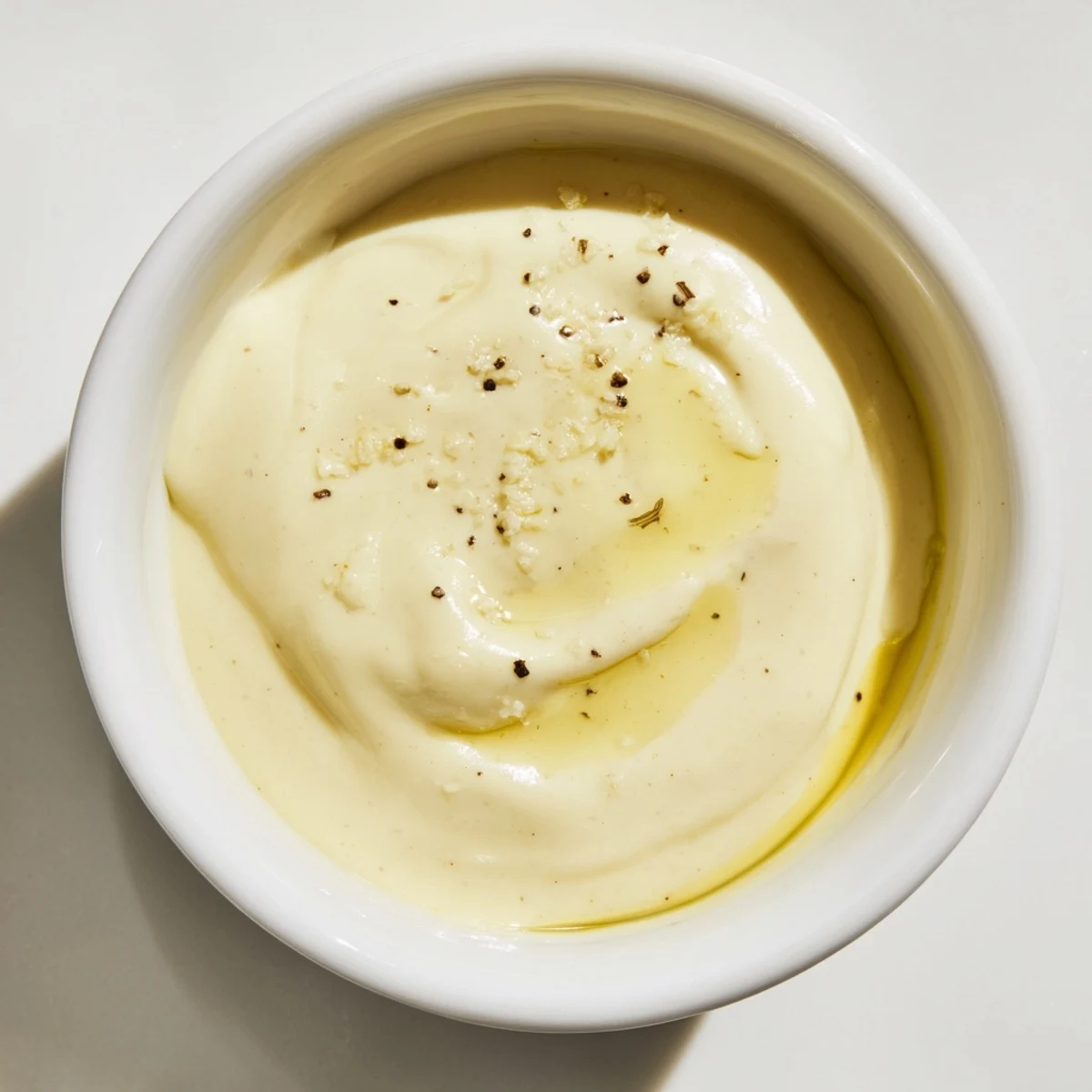
- Slowly drizzle in the olive oil while whisking constantly, or do what I do and dump everything in a jar and shake it like you mean it until it turns creamy and thick.
- Taste and adjust:
- Dip a clean spoon in and take a proper taste, adding more honey if it's too sharp, more lemon if it needs brightness, or another pinch of salt if it tastes flat.
- Store or serve immediately:
- Use it right away on anything that looks like it needs help, or stash it in the refrigerator for up to a week and give it a good shake before using.
 Save to Pinterest
 My sister started putting this on roasted vegetables instead of her usual olive oil and salt routine, and now she won't eat them any other way. The way the tangy creaminess mingles with caramelized roasted flavors has converted more than one vegetable skeptic in my house.
Making It Your Own
Once you've made this a few times, you'll start getting ideas. Sometimes I throw in fresh herbs like parsley or dill, especially in summer when everything's growing wild and I need excuses to use up the garden bounty. A teaspoon of fresh thyme leaves makes it feel somehow fancy enough for dinner guests.
What It Goes With Best
Beyond the obvious salad applications, this dressing has become my secret weapon for grain bowls, roasted potatoes, and even as a quick marinade for chicken or fish. Something about the mustard helps it cling to whatever you're eating, distributing flavor evenly instead of pooling at the bottom of the bowl.
Batch Cooking Strategy
I make double batches on Sunday and portion them into smaller jars, keeping one in the fridge and taking the rest to work for sad desk salads that suddenly become something I actually look forward to eating. Having this ready to go means I'm much more likely to eat vegetables instead of ordering takeout again.
- Use a funnel to fill jars without making a mess on your counter
- Label jars with the date so you know when it's time to make a fresh batch
- Keep a jar at work if you have access to a fridge there
 Save to Pinterest
 There's something deeply satisfying about making your own dressing, like you've cracked a secret code that fancy restaurants have been keeping to themselves all these years.
Frequently Asked Questions
- → What ingredients give the dressing its tangy flavor?
-
Freshly squeezed lemon juice and Dijon mustard combine to deliver the dressing's bright, tangy profile.
- → Can I adjust the sweetness of the dressing?
-
Yes, adding honey or pure maple syrup balances acidity for a subtle sweetness if desired.
- → How can I make a vegan version of this dressing?
-
Simply substitute honey with pure maple syrup to keep it plant-based without changing the flavor.
- → What is the best way to emulsify the dressing?
-
Whisk lemon juice, mustard, honey, garlic, salt, and pepper, then slowly drizzle in olive oil while whisking until creamy and combined.
- → How should the dressing be stored and used?
-
Store in the refrigerator for up to one week. Shake or stir well before applying to dishes.