
 Save to Pinterest
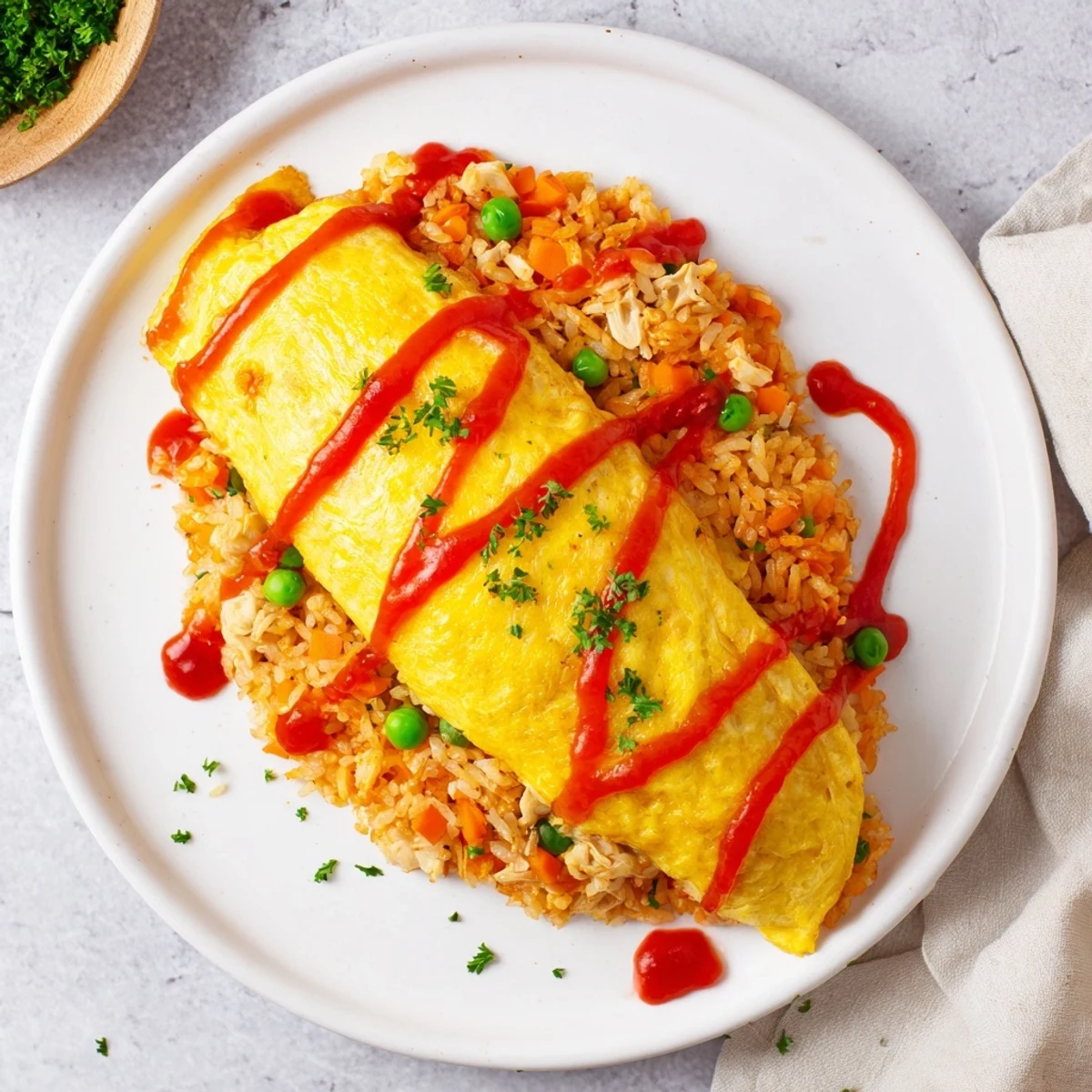
 Create this iconic Japanese dish where tender omelet embraces seasoned fried rice. The key lies in using day-old rice for perfect texture and timing your eggs just right—slightly runny when folding creates that signature silky finish. A drizzle of tangy ketchup ties everything together, balancing the savory notes with gentle sweetness.
Master the technique of sliding rice onto setting eggs and folding with confidence. The result? A golden parcel hiding steaming, flavorful rice within its tender embrace. Perfect for quick weeknight dinners or weekend brunch, this dish transforms simple ingredients into something truly special.
The first time I attempted omurice, I was living in a tiny apartment with a stove that had only two temperature settings: off and screaming hot. My omelet turned into something resembling a scrambled egg disaster, but my roommate ate it anyway, pouring ketchup over the whole mess with genuine enthusiasm.
My Japanese friend showed me her technique one rainy afternoon, explaining that the real secret lies in having everything prepped before you even think about cracking eggs. She made it look effortless, the egg sliding down the rice like a silky yellow blanket.
Ingredients
- Japanese short-grain rice: Using dayold rice prevents gummy texture and helps each grain get coated in the ketchupy seasoning without clumping together
- Chicken thighs: The extra fat keeps the meat juicy during the quick fry, unlike breast meat which can dry out too fast
- Ketchup: This might sound unusual, but the tangy sweetness creates that distinctive flavor that makes omurice so addictive
- Eggs and milk: Whisking milk into the eggs creates that impossibly soft, custardy texture that should barely hold its shape
- Butter: Use unsalted butter so you can control the seasoning, and do not even think about skipping this richness
Instructions
- Get Your Rice Game Ready:
- Break up any clumps in your dayold rice with your hands, separating the grains so they will fry evenly instead of sticking together in weird chunks
- Sear the Chicken:
- Crank your skillet to medium heat and let that oil get shimmering hot before adding the diced chicken. Listen for that satisfying sizzle and let the pieces develop a golden brown crust, moving them around just enough so they cook through without steaming
- Build Your Veggie Base:
- Toss in the onion and carrot, letting them soften and sweeten up for a couple minutes before adding the peas. This layering of aromatics builds depth in every bite of the final dish
- Season and Toss:
- Pour in the ketchup and soy sauce, watching how it coats the rice and turns everything a beautiful orange-red. Keep the rice moving so every grain gets seasoned evenly, then taste and adjust the salt and pepper before shaping into two neat oval mounds on plates
- Whisk Your Eggs:
- Beat those eggs with milk until completely combined, no streaks of white remaining. The milk creates that luxurious texture that sets Japanese omelets apart from diner-style scrambles
- Master the Omelet Flip:
- Melt butter in a nonstick pan over medium heat, pour in half the egg mixture, and swirl it into an even circle. When the edges set but the center still jiggles like jelly, slide one portion of rice onto one side and fold the egg over it like a delicate blanket
- The Final Touch:
- Gently roll the whole thing onto your plate seam side down, drizzle with ketchup in whatever pattern makes you happy, and sprinkle with parsley if you are feeling fancy
 Save to Pinterest
 Something magical happens when you cut into that soft omelet and the seasoned rice spills out onto the plate. It became my go-to comfort meal during cold winters, reminding me that simple food, made with care, tastes like love.
The Art of Rice Selection
Short-grain rice is non-negotiable here. Long-grain varieties like basmati or jasmine will not give you that sticky, slightly chewy texture that lets the fried rice hold its oval shape. The extra starch in Japanese rice is what makes each grain cling to the seasonings instead of staying separate and lonely.
Temperature Control Matters
I learned the hard way that high heat turns the omelet into rubber. Keep your flame at medium or even medium-low, giving the eggs time to set gently. That patience is what creates the creamy, barely-set texture that restaurant-quality omurice is famous for.
Make It Your Own
The classic version is perfect, but do not be afraid to experiment. I have added corn, swapped chicken for shrimp, and even made a spicy version with sriracha mixed into the ketchup.
- Vegetarians can skip the chicken entirely and load up on mushrooms and bell peppers for extra umami
- A splash of Worcestershire sauce mixed with the ketchup adds a deeper, more complex flavor
- Practice the omelet fold once with plain eggs if you are nervous, because nobody needs dinner stress
 Save to Pinterest
 This dish taught me that comfort food does not need to be complicated to feel special. Sometimes the simplest meals, made with attention and care, become the ones we remember most.
Frequently Asked Questions
- → Why use day-old rice for omurice?
-
Day-old rice has dried out slightly, preventing clumping and achieving that perfect separated texture during frying. Freshly cooked rice contains excess moisture that can make your dish gummy and heavy.
- → Can I make omurice ahead of time?
-
The fried rice portion reheats beautifully and can be prepared 1-2 days in advance. However, the omelet should always be made fresh—its delicate texture relies on being served immediately after cooking.
- → What's the secret to a runny egg texture?
-
Remove the eggs from heat while still slightly undercooked on top. The residual heat continues cooking them as you fold, creating that coveted creamy, barely-set center characteristic of authentic omurice.
- → Is omurice traditionally eaten for breakfast or dinner?
-
In Japan, omurice transcends meal boundaries—it appears equally on breakfast menus, lunch plates, and dinner tables. Its comforting nature and quick preparation make it perfect for any time of day.
- → Can I substitute the ketchup sauce?
-
While ketchup is traditional, you can experiment with demi-glace, tomato sauce, or even curry roux for different flavor profiles. Each variation creates a unique twist on this Yoshoku classic.
- → What vegetables work best in the fried rice?
-
Fine dice is essential—onions, carrots, and peas are classic. For alternatives, try corn, bell peppers, or finely chopped mushrooms. Ensure vegetables are small enough to cook quickly and distribute evenly.