
 Save to Pinterest
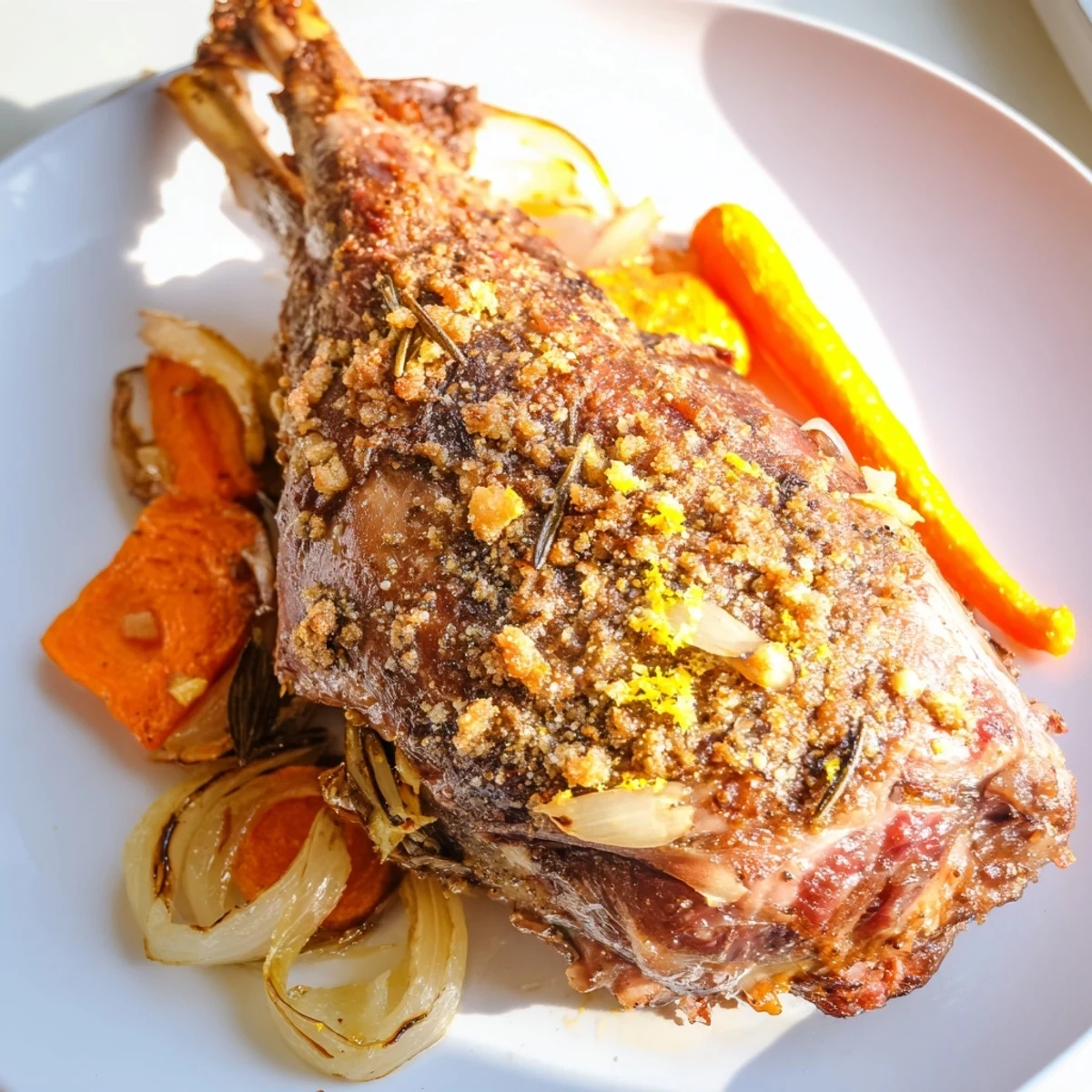
 This dish features a succulent leg of lamb infused with minced garlic, fresh rosemary, and lemon zest, roasted slowly to develop a golden crust and tender interior. Aromatic vegetables like onions, carrots, and celery create a flavorful roasting bed. After roasting at high heat for a crust, it’s finished at lower temperature and allowed to rest for optimal juiciness. Perfect as a hearty centerpiece for gatherings or family dinners.
My first Easter dinner as a newlywed ended in near disaster when I realized I had no clue how to cook a proper lamb. The poor piece of meat sat there on the counter, looking magnificent and terrifying all at once, while my mother-in-law watched with raised eyebrows. That night taught me everything about confidence in the kitchen, and this rosemary garlic lamb has been my redemption story ever since.
Last Christmas, my brother actually paused his endless phone scrolling to comment on how juicy the meat turned out. The house smelled so incredible that my neighbor texted asking what restaurant we had ordered from. Seeing six people reach for seconds before anyone had finished their first serving was the kind of kitchen victory that keeps you cooking.
Ingredients
- Lamb leg bone in: The bone adds incredible depth to the flavor and keeps the meat tender during long cooking. I always ask the butcher to trim some excess fat but leave enough for basting.
- Olive oil: This carries all those garlic and rosemary flavors deep into the meat while creating that gorgeous golden crust we all want.
- Fresh garlic cloves: Six cloves might seem excessive but trust me. The garlic sweetens as it roasts and becomes mellow, almost nutty.
- Fresh rosemary leaves: Woody herbs like rosemary hold up beautifully to high heat. Dried works in a pinch but fresh gives you those fragrant oils that make people ask what you did differently.
- Coarse sea salt: Those larger crystals create a tasty crust and help break down the muscle fibers as they penetrate.
- Lemon zest: This bright little secret cuts through the richness and makes everything taste lighter and fresher.
- Roasting vegetables: They create a natural roasting rack that keeps the lamb elevated while catching all those precious juices for gravy later.
Instructions
- Preheat and prep the oven:
- Get your oven to 200°C (400°F) while you work. The initial blast of high heat creates the crust everyone fights over at the table.
- Prepare the lamb:
- Pat the meat completely dry with paper towels. Use your sharpest knife to make small slits all over the surface. These little pockets are flavor highways.
- Make the marinade:
- Mix the olive oil, minced garlic, chopped rosemary, salt, pepper, and lemon zest in a small bowl until it becomes a fragrant paste.
- Season the meat:
- Rub this mixture all over the lamb, really working it into those incisions you made. Get under your fingernails dirty.
- Set up the roasting pan:
- Scatter those onion slices, carrot chunks, and celery pieces across your roasting pan. Set the lamb right on top of this vegetable bed.
- Sear at high heat:
- Roast for 20 minutes until you see that beautiful golden brown crust developing. This is when your kitchen starts smelling amazing.
- Lower and slow cook:
- Reduce the temperature to 170°C (340°F). Continue roasting for about 1 hour 20 minutes, basting whenever you remember with those pan juices that are gathering below.
- Check doneness:
- Use a meat thermometer. 55-60°C (130-140°F) gives you that gorgeous medium rare, while 65°C (150°F) hits medium if you have more conservative eaters.
- Rest before carving:
- Tent the lamb loosely with foil and walk away for 20 minutes. The juices need time to redistribute or they will escape the moment you cut into it.
 Save to Pinterest
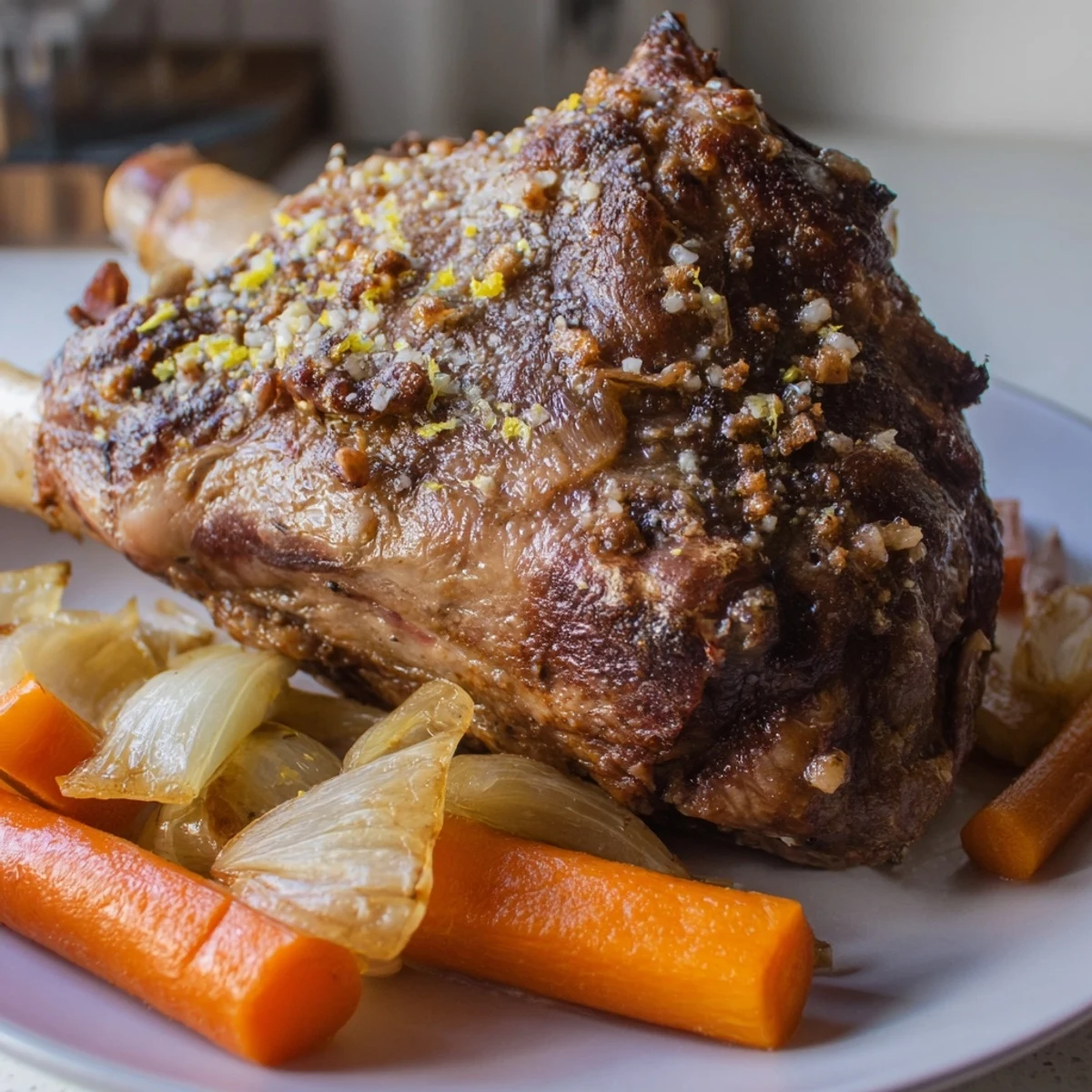
 This recipe became my Sunday tradition after my daughter declared that restaurant lamb could not compete with mine. There is something deeply satisfying about placing a beautifully bronzed leg of lamb on the table and watching faces light up. The best part is how something so impressive comes together with such simple ingredients and honest techniques.
Choosing the Right Cut
I have learned that not all lamb legs are created equal. The shank end has more connective tissue and flavor, while the sirloin end is leaner but can dry out if you are not careful. A whole leg gives you the best of both worlds, but half legs work beautifully for smaller gatherings and cook more evenly.
Temperature Matters
After years of overcooked lamb out of fear, I finally embraced pink meat. The difference between properly cooked medium rare lamb and sad gray lamb is night and day. Invest in a reliable meat thermometer and let it be your guide, not the clock or your anxiety.
Serving Suggestions
Roasted potatoes tossed in the pan juices during the last 20 minutes of cooking are absolutely mandatory. A simple green salad with sharp vinaigrette cuts through the richness. I also love serving it with tzatziki or a mint yogurt sauce on the side for those who want extra freshness.
- Red wine like Cabernet Sauvignon or Syrah pairs beautifully with the robust flavors
- The leftovers make incredible sandwiches the next day with just a little horseradish
- Freeze leftover bones for stock that will transform any soup or stew recipe
 Save to Pinterest
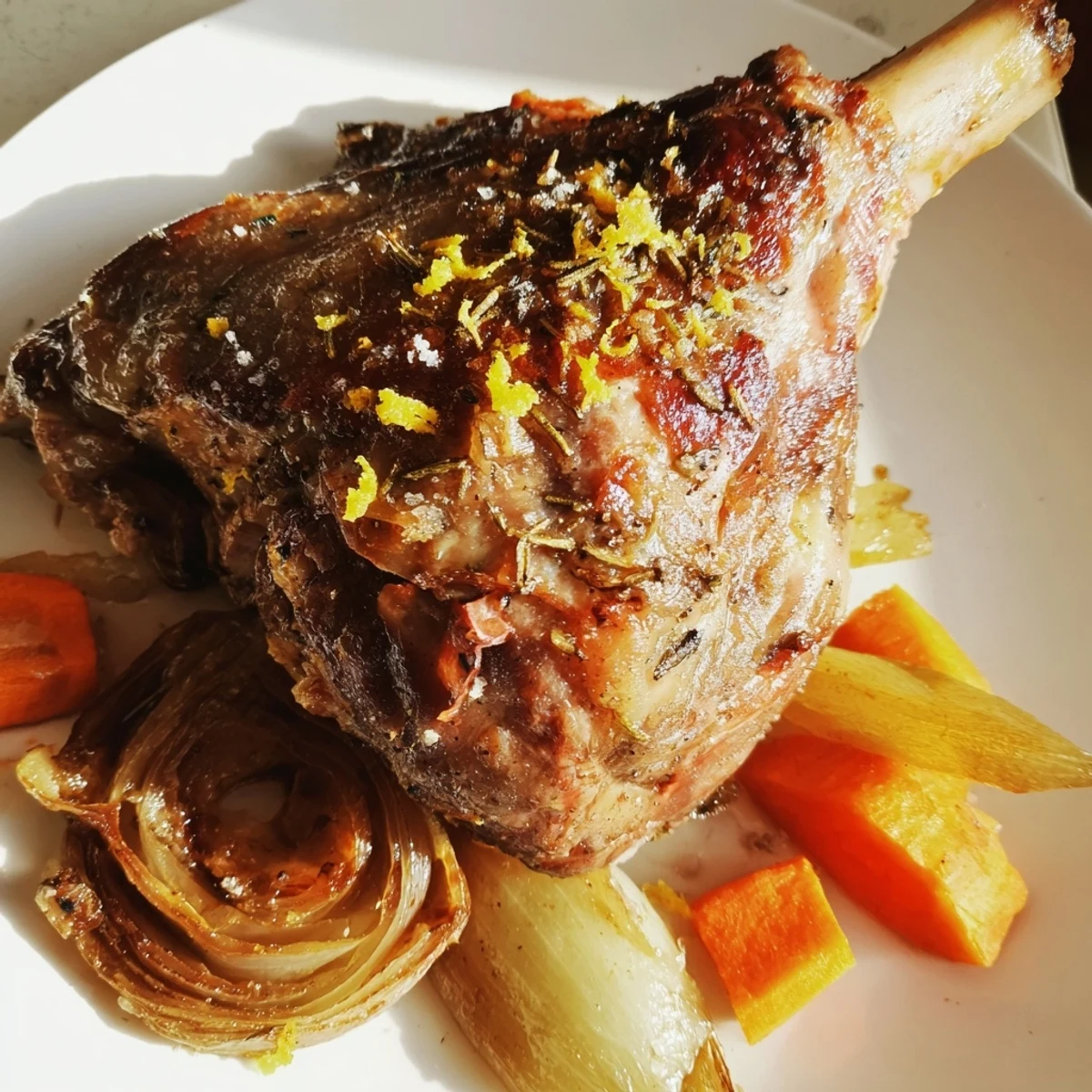
 There is nothing quite like carving into a perfectly roasted leg of lamb while your table goes quiet. Enjoy the moment.
Frequently Asked Questions
- → How should I prepare the lamb before roasting?
-
Pat the lamb dry and make small incisions with a sharp knife. Rub a mixture of olive oil, garlic, rosemary, salt, pepper, and lemon zest over and into the meat for deep flavor.
- → What temperature and time are best for roasting lamb leg?
-
Start roasting at 200°C (400°F) for 20 minutes to form a crust, then reduce to 170°C (340°F) and continue roasting for about 1 hour 20 minutes, depending on size.
- → How do I check if the lamb is cooked to medium-rare?
-
Use a meat thermometer to check the internal temperature; medium-rare is between 55–60°C (130–140°F).
- → What vegetables can be used during roasting?
-
Onions, carrots, and celery thickly sliced create a flavor-rich bed for the lamb to sit on while roasting.
- → How long should the lamb rest after roasting?
-
Let the roasted lamb rest loosely covered with foil for about 20 minutes to allow the juices to redistribute.