
 Save to Pinterest
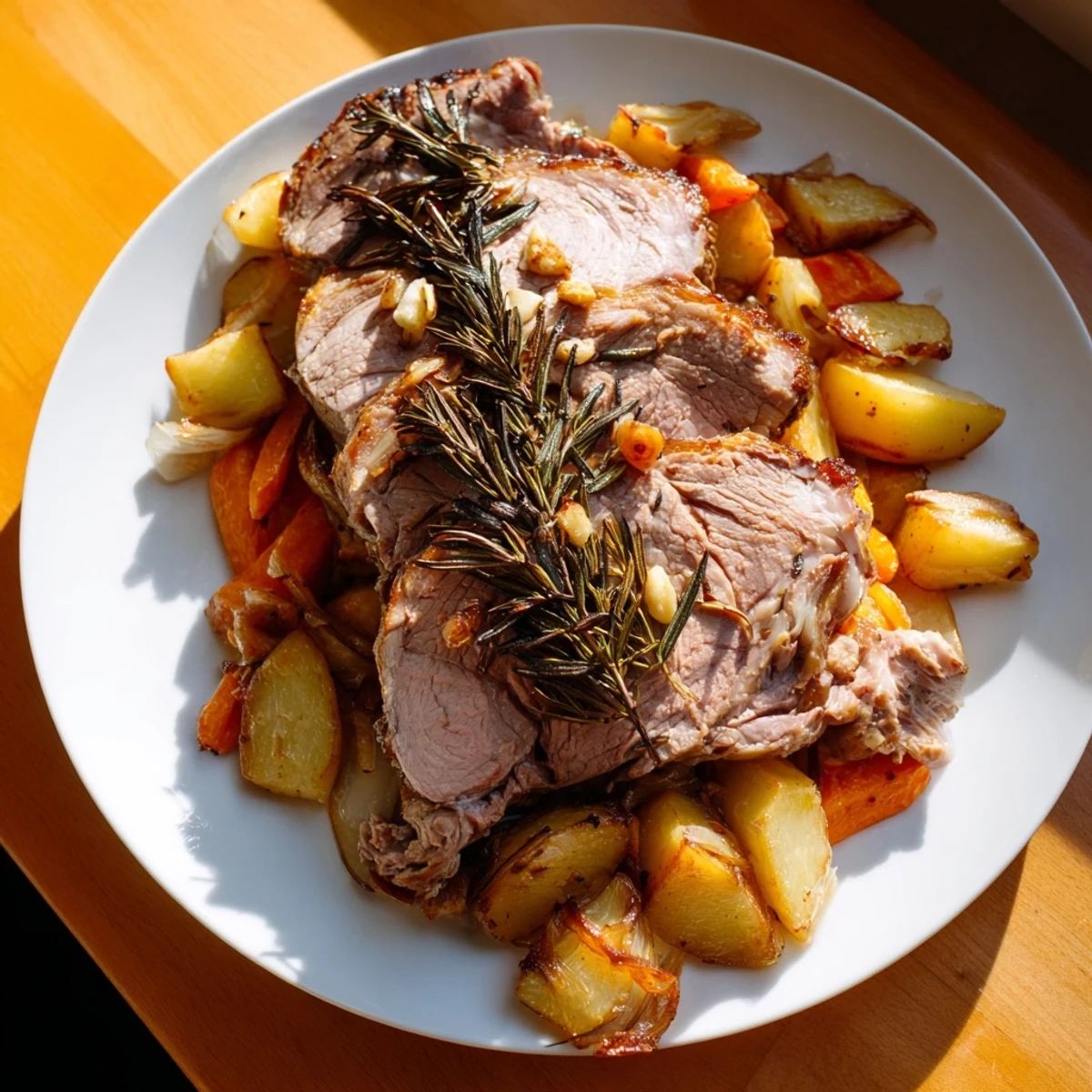
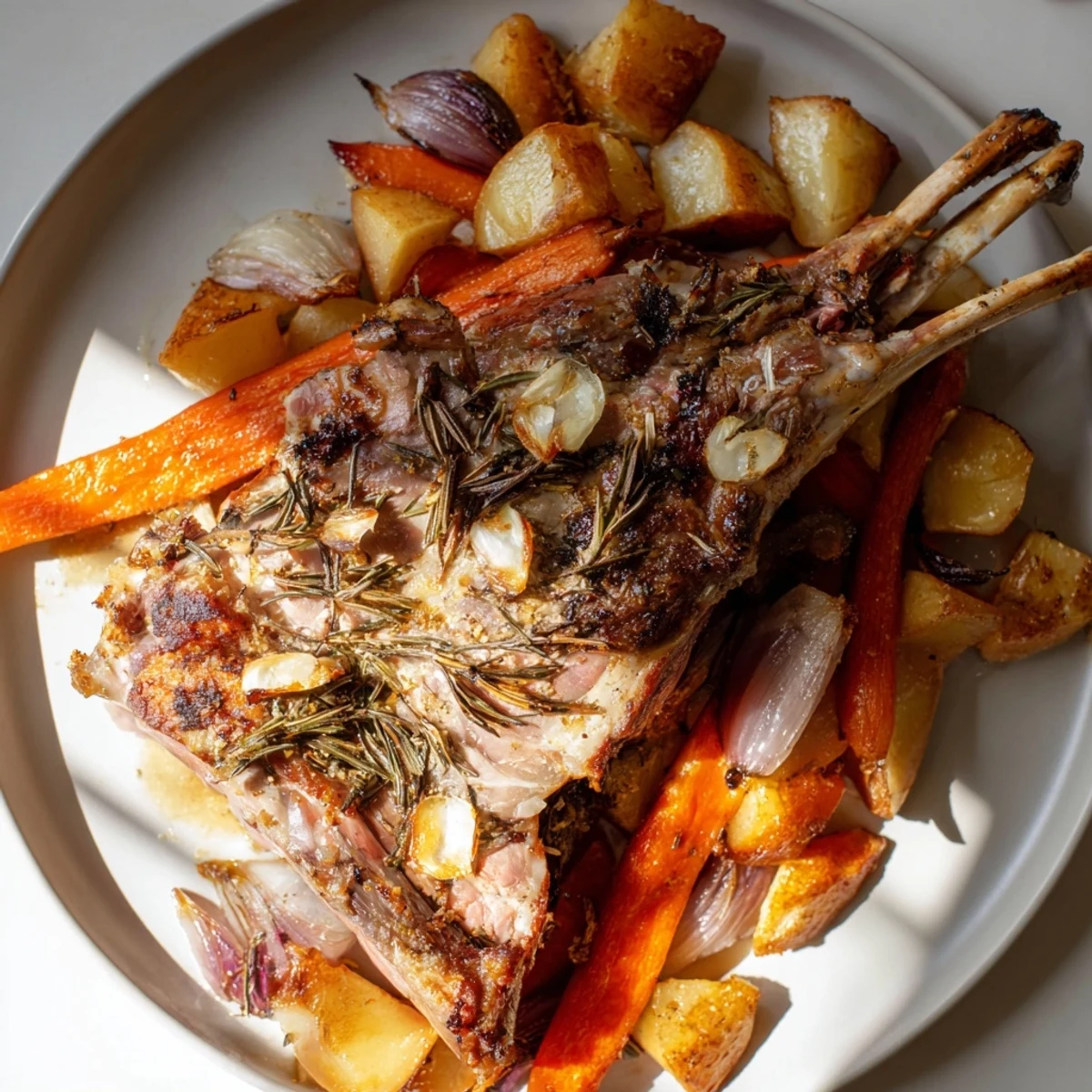
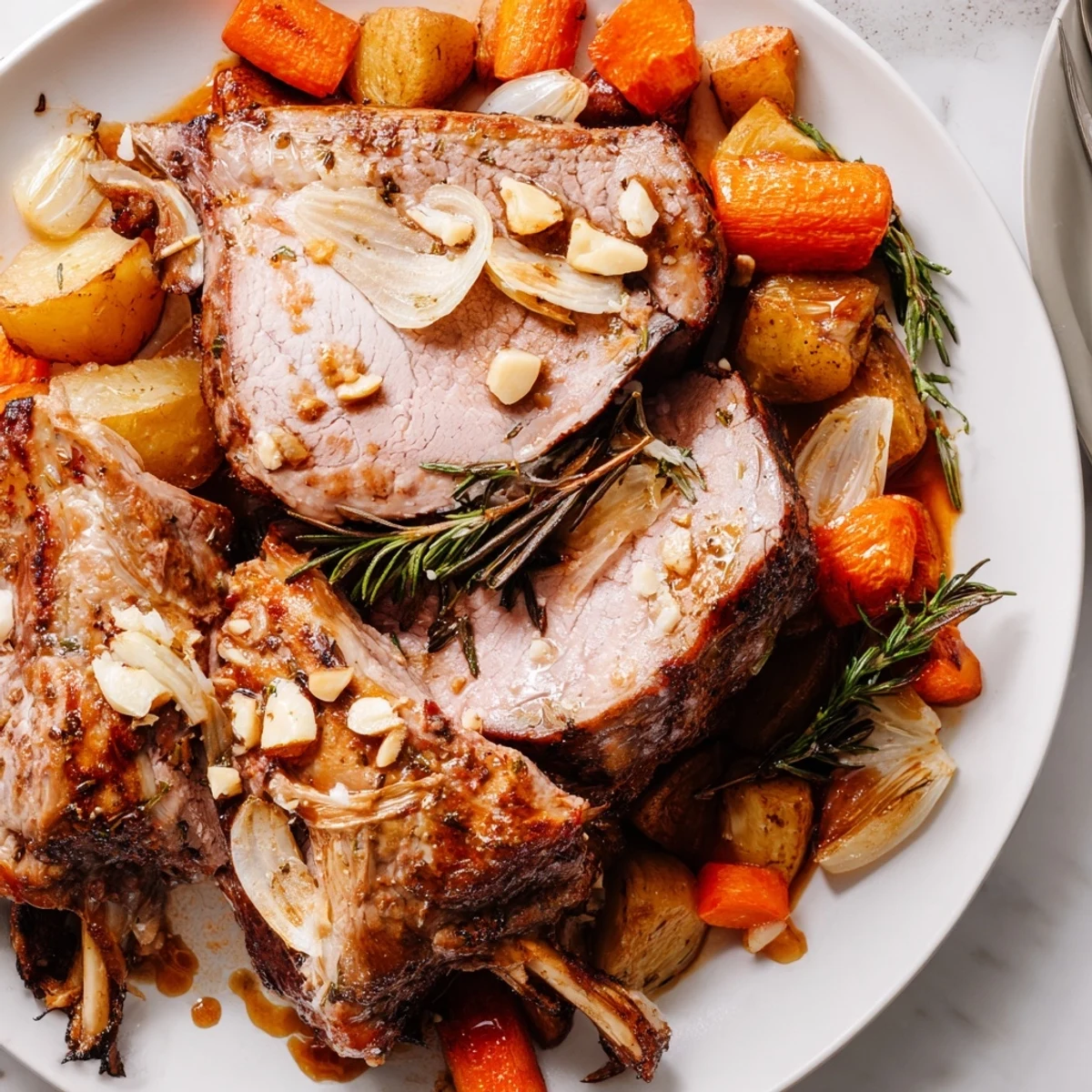
 This dish features a bone-in lamb leg seasoned deeply with garlic, fresh rosemary, thyme, salt, and pepper. Small incisions hold aromatic garlic and rosemary sprigs, enhancing the meat’s flavor throughout. Roasting over a bed of vegetables with moist heat from wine or broth creates tender, juicy lamb with a flavorful pan sauce. After resting, the lamb is carved to serve. Ideal for festive occasions or comforting dinners, its robust Mediterranean flavors suit paired reds or hearty sides.
The smell of rosemary and lamb fat hitting hot metal still yanks me back to a cramped rental kitchen in Lisbon, where my neighbor Fernando insisted on supervising my first attempt through his open window, shouting corrections in Portuguese I barely understood. I had burned the garlic. He laughed so hard he dropped his cigarette.
I made this for my sister the night she told me she was pregnant, both of us too overwhelmed to speak properly, so we just ate in silence and let the lamb do the talking. She still asks for it every year on that date.
Ingredients
- Bone-in leg of lamb (2.5 kg): The bone conducts heat gently and holds flavor you cannot fake; ask your butcher to french it if you want drama on the table
- Olive oil: Not your finishing oil, the workhorse stuff, something peppery and assertive
- Kosher salt: The flaked kind you can feel between your fingers, distributed with intention not fear
- Freshly ground black pepper: Grind it coarse so it creates tiny pockets of intensity
- Garlic cloves: Slice them thin enough to slip into flesh but thick enough not to vanish entirely
- Fresh rosemary: Strip the leaves backward against their growth and chop with a rocking motion that bruises them properly
- Fresh thyme: The subtle bass note that keeps rosemary from shouting
- Carrots, onions, potatoes: These are not afterthoughts, they drink the lamb's rendered fat and become the best part
- Dry white wine or broth: Wine gives acidity that cuts richness, broth gives comfort, both work honestly
Instructions
- Wake up your oven:
- Crank it to 200°C and do not trust the beep, wait until the air inside actually feels violent when you open the door.
- Prepare the lamb:
- Pat the meat aggressively dry with paper towels, moisture is the enemy of crust, then stab shallow pockets all over with your knife tip and stuff each one with garlic and rosemary like little secret packages.
- Season with conviction:
- Rub oil first to create a binder, then salt and pepper with both hands working in opposition, finally the chopped herbs pressed on like you are papier-mâchéing something precious.
- Build the bed:
- Scatter vegetables in the pan first, never the other way around, they need the direct heat to caramelize and they will protect the lamb from scorching.
- Add the liquid:
- Pour wine around the edges where it can steam and reduce, never over the meat where it would wash away your careful crust.
- Blast then coax:
- Twenty minutes at high heat sets the exterior, then drop to 180°C and let time do the tenderizing work while you clean the kitchen or pretend to.
- Rest without peeking:
- The foil tent is non-negotiable, those twenty minutes allow juices to retreat back into fibers instead of flooding your cutting board.
- Carve against the grain:
- Find the direction of the muscle fibers and slice perpendicular, thin enough to fold, with a spoonful of pan juices and a soft vegetable alongside.
 Save to Pinterest
 Last Easter my nephew announced he had gone vegetarian while this was in the oven, and I watched him eat three carrots and two potatoes in solemn concentration, finally admitting the lamb smelled like his childhood even if he could not eat it anymore.
What the Vegetables Are Actually For
I used to treat them as filler but they are sponges and shields, catching drippings that would otherwise burn, transforming into something you fight over while the lamb rests. The potatoes especially, with their craggy edges and soft centers, often disappear before the meat even reaches the table.
Reading Your Lamb
Finger pressure works if you know what you are feeling for, but a cheap thermometer removes all doubt and anxiety. I keep mine in my apron pocket like a pen, checking early and often because overcooked lamb is a tragedy that lingers.
The Morning After
Cold lamb sandwiches with mustard and pickled onions might surpass the original meal, and the bones make stock that carries the memory forward into soup. Nothing here should be wasted.
- Save every scrap of fat and render it slowly for roasting potatoes later in the week
- The pan juices freeze into ice cubes that transform future pan sauces
- A second roast from the same recipe never tastes quite the same, so pay attention the first time
 Save to Pinterest
 However you come to this recipe, whether by tradition or accident or Fernando yelling through a window, the lamb will teach you patience if you let it. That might be the real reason we keep coming back.
Frequently Asked Questions
- → How do I prepare the lamb for roasting?
-
Make small deep incisions in the lamb and insert garlic slices and rosemary sprigs. Then rub the leg with olive oil, salt, pepper, rosemary, and thyme for even flavor.
- → What temperature and time are best for roasting?
-
Start roasting at 200°C (400°F) for 20 minutes, then reduce to 180°C (350°F) and continue for 1 hour 15 minutes for medium-rare doneness.
- → Can I include vegetables in the roasting pan?
-
Yes, carrots, onions, and potatoes can be placed under the lamb to roast together, absorbing flavorful juices.
- → What is the purpose of pouring wine or broth into the pan?
-
The liquid helps maintain moisture while roasting and adds depth to the pan juices used in serving.
- → How long should the lamb rest before carving?
-
Let the lamb rest loosely covered with foil for 20 minutes to allow juices to redistribute for tender, juicy slices.
- → Are there tips for enhancing flavor overnight?
-
Marinating the lamb in olive oil, garlic, herbs, salt, and pepper overnight intensifies the aromatic profile.