
 Save to Pinterest
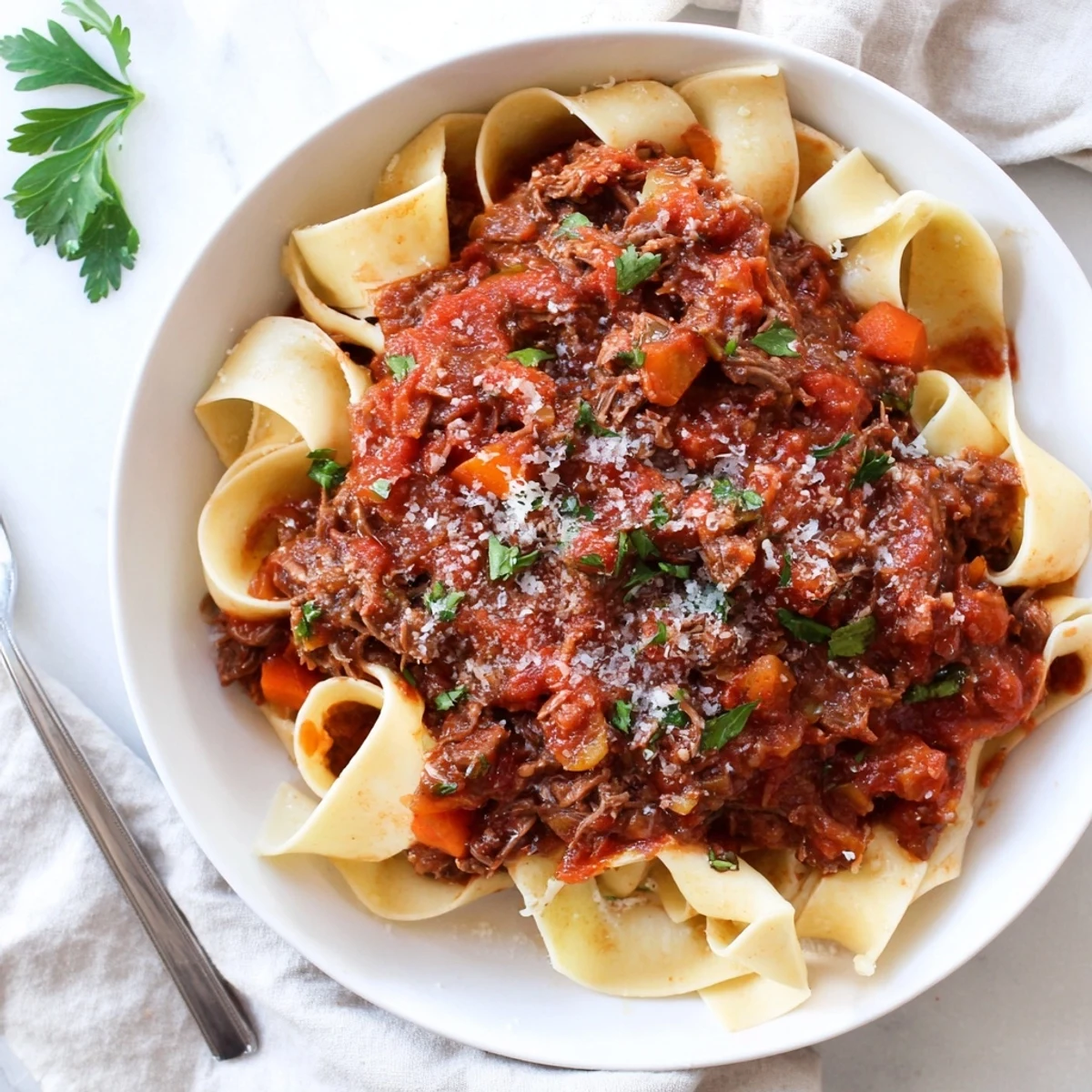
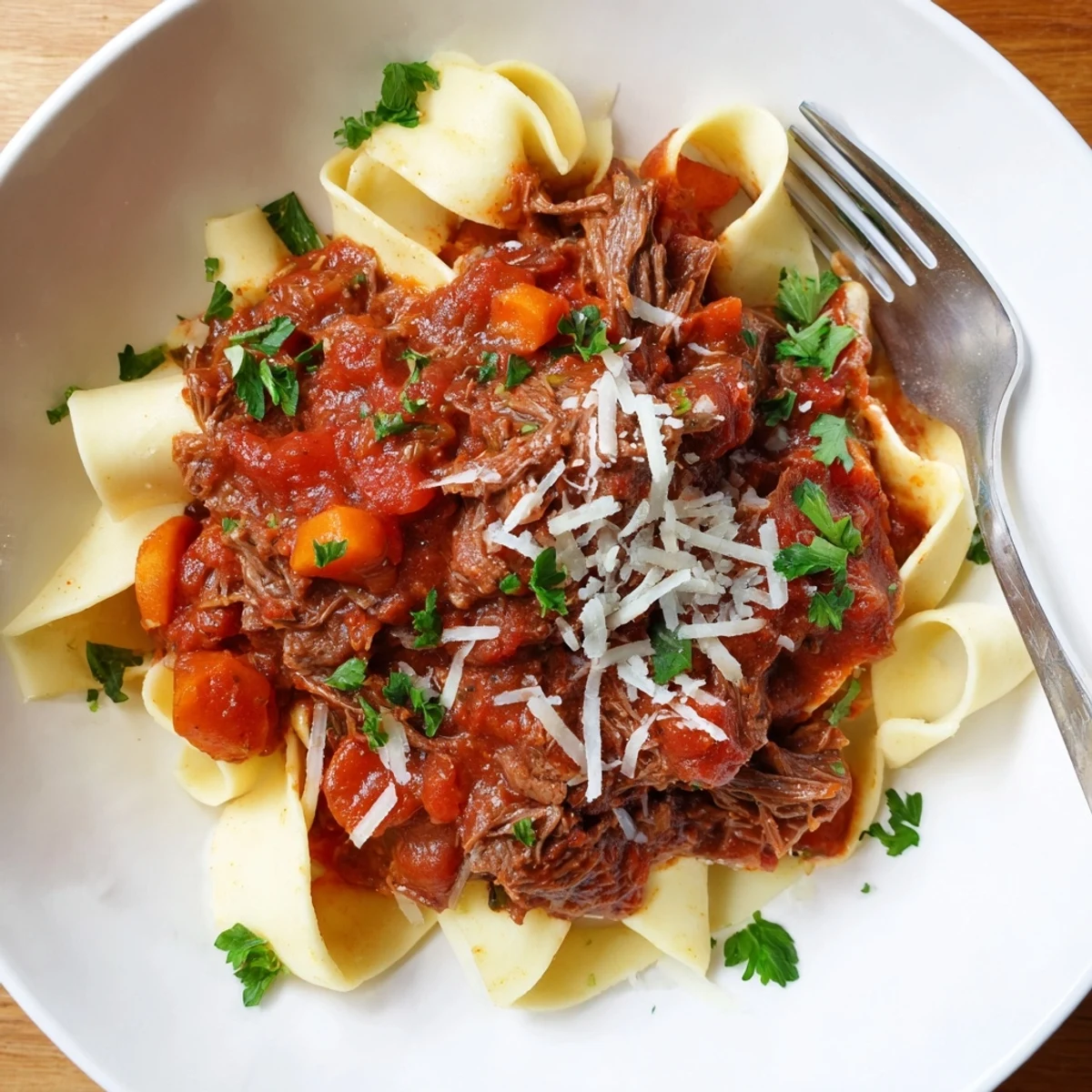
 This hearty Italian-style beef ragu transforms tough beef chuck into tender, melt-in-your-mouth strands after eight hours of slow cooking. The beef simmers in a robust sauce with onions, carrots, celery, garlic, red wine, and crushed tomatoes, infused with dried oregano, thyme, and bay leaves.
The low-and-slow method breaks down connective tissues, creating incredibly tender meat that shreds easily. The sauce deepens in flavor, developing that characteristic richness that makes restaurant-quality ragus so satisfying.
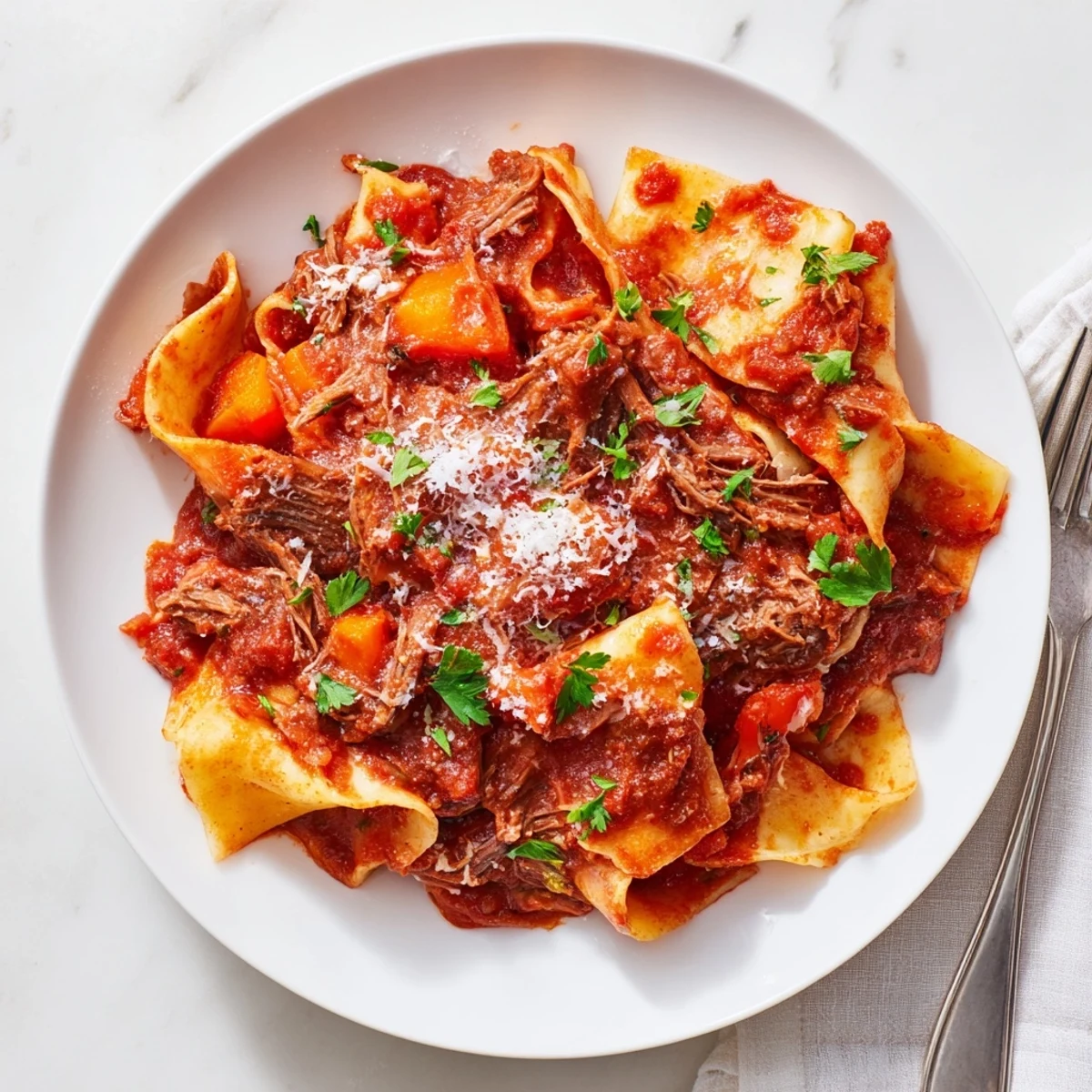
Serve over wide pasta noodles like tagliatelle or pappardelle to catch the sauce, or spoon over creamy polenta for a comforting northern Italian presentation. The finished dish freezes beautifully, making it ideal for batch cooking and future cozy dinners.
The first time I made beef ragu in a slow cooker, I came home after running errands to an apartment that smelled like an Italian grandmother had been cooking all day. My husband actually asked what restaurant I had brought dinner from. That rich, meaty aroma had seeped into every corner and wrapped around us like a warm blanket.
Last winter, I made a double batch for our monthly family dinner. My usually picky nephew went back for thirds and actually asked if there was more to take home. Watching him scrape his bowl clean while everyone sat around the table talking for hours after dinner ended, thats the kind of memory that sticks with you.
Ingredients
- Beef chuck roast: Chuck roast becomes meltingly tender after hours of slow cooking and has enough marbling to keep the sauce rich and flavorful without becoming greasy
- Onion, carrots, and celery: This classic soffritto base builds the foundational flavor that makes an Italian ragu taste authentic and deeply satisfying
- Garlic: Fresh minced garlic adds that aromatic punch that balances the richness of the beef
- Dry red wine: The wine adds depth and acidity that cuts through the fatty beef while deglazing the pan captures all those caramelized bits from searing
- Crushed tomatoes: Whole tomatoes that have been crushed give you the perfect texture with chunks of tomato still visible in the finished sauce
- Tomato paste: Concentrated tomato paste intensifies the tomato flavor and adds body to the ragu
- Beef broth: Good quality beef broth reinforces the meaty flavor and keeps the sauce from becoming too thick as it cooks
- Dried oregano and thyme: These Mediterranean herbs complement the beef without overpowering it and hold up well to long cooking times
- Bay leaves: Bay leaves add a subtle earthy flavor that you cannot quite identify but definitely notice when it is missing
- Crushed red pepper flakes: Just a hint of heat wakes up all the flavors without making the dish spicy
- Fresh parsley: Bright fresh parsley sprinkled on top right before serving adds a pop of color and freshness that cuts through the rich sauce
Instructions
- Sear the beef:
- Season the beef chunks generously with salt and pepper then sear them in a hot skillet until deeply browned on all sides. This step creates the fond that will become the base of your sauce so do not rush it.
- Soften the aromatics:
- Add the onions, carrots, celery and garlic to the same skillet and cook until they start to soften and smell amazing. Scrape up any browned bits from the bottom as the vegetables release their moisture.
- Deglaze the pan:
- Pour in the red wine and let it bubble up while you scrape all those caramelized bits off the bottom of the skillet. Let it simmer for a couple of minutes so the alcohol cooks off and the flavor concentrates.
- Combine everything:
- Transfer the beef and vegetables to your slow cooker then add the tomatoes, tomato paste, beef broth, herbs and spices. Give it all a good stir so everything is evenly distributed.
- Let it cook low and slow:
- Cover the slow cooker and let it work its magic on low for 8 hours. The beef should be so tender that it practically falls apart when you touch it.
- Finish and serve:
- Pull out the bay leaves then shred the beef with two forks right in the cooker. Stir everything together and taste for seasoning before serving over pasta or polenta with fresh parsley and parmesan.
 Save to Pinterest
 There is something almost meditative about standing at the stove, slowly shredding the beef and watching it meld back into the sauce. The kitchen is quiet except for the soft sound of forks meeting meat and that rich savory smell that makes your stomach growl.
Make It Your Own
I have started adding a pinch of cinnamon sometimes, just enough to make people ask what is different about the sauce. My friend Maria throws in a dried chile de arbol instead of red pepper flakes for a more complex heat. Do not be afraid to play around with herbs or add a splash of balsamic vinegar at the end for brightness.
Serving Suggestions
Wide noodles like pappardelle or tagliatelle are traditional because they stand up to the hearty sauce but creamy polenta makes it feel even more comforting on cold nights. I have also served it over mashed potatoes when I needed something quick and honestly it might be my new favorite way to eat it.
Storage and Freezing
This ragu actually tastes better the next day so do not hesitate to make it ahead. The flavors meld together and the beef absorbs even more of the sauce as it sits. I always keep a few portions in the freezer for those nights when I want a home cooked meal without any effort.
- Let the ragu cool completely before freezing to prevent ice crystals from forming
- Freeze in portions so you only thaw what you need
- Thaw overnight in the refrigerator then reheat gently on the stove
 Save to Pinterest
 There is nothing quite like coming home to that smell and knowing dinner is already done, just waiting to be spooned over pasta and shared with people you love.
Frequently Asked Questions
- → What cut of beef works best for ragu?
-
Beef chuck roast is ideal because it has plenty of connective tissue that breaks down during slow cooking, creating tender, shreddable meat. You can also mix in short ribs for extra richness and flavor depth.
- → Can I make this without wine?
-
Yes, simply replace the red wine with additional beef broth. The wine adds acidity and depth, but the ragu will still be delicious without it. You might want to add a splash of balsamic vinegar to compensate for the missing acidity.
- → What pasta pairs best with beef ragu?
-
Wide, flat noodles like tagliatelle, pappardelle, or fettuccine work beautifully because their surface area holds the thick sauce well. Short tube shapes like rigatoni or penne also capture the meaty sauce in their ridges and hollows.
- → How long does beef ragu keep in the refrigerator?
-
Leftovers stay fresh for up to 4 days when stored in an airtight container in the refrigerator. The flavors actually improve after a day or two as the meat continues to absorb the sauce.
- → Can I freeze beef ragu?
-
Absolutely. This ragu freezes beautifully for up to 3 months. Cool completely before transferring to freezer-safe containers or bags. Thaw overnight in the refrigerator and reheat gently on the stove, adding a splash of broth if needed.
- → Is this suitable for dairy-free diets?
-
The ragu itself is completely dairy-free. Simply omit the Parmesan cheese garnish when serving. Serve over dairy-free pasta or polenta prepared with water or vegetable broth instead of milk and butter.