
 Save to Pinterest
 This comforting German-inspired dish combines layers of tender slow-roasted cabbage and tangy sauerkraut, seasoned with caraway seeds, smoked paprika, and fresh dill. The vegetables are slowly braised in vegetable broth and white wine until meltingly tender, then finished under high heat to develop rich, caramelized flavors. Perfect for cold weather evenings, this dish makes an excellent vegetarian main course or hearty side.
The smell of cabbage roasting low and slow in the oven is one of those things that fills every corner of the house and makes everyone wander into the kitchen asking what is for dinner. My neighbor once knocked on my door during a snowstorm because she could smell this casserole from the hallway and had to know what it was. That is the power of caraway seeds and cabbage doing their thing together.
I started making this on Sundays when my grandmother would call and ask what I was cooking. She grew up eating cabbage nearly every way imaginable in her small village in Poland, and she told me this version reminded her of home, which is the highest compliment I have ever received in my kitchen.
Ingredients
- 1 medium green cabbage, about 2 lb, cored and sliced into thin strips: The cabbage is the star here so pick one that feels heavy and dense for its size with tight crisp leaves.
- 2 medium onions, thinly sliced: Onions add a sweet base that mellows beautifully during the long roast.
- 2 cloves garlic, minced: Fresh garlic makes a noticeable difference so skip the jarred version for this one.
- 2 large carrots, grated: They bring a subtle sweetness that balances the tang of the sauerkraut perfectly.
- 3 cups sauerkraut, drained and lightly rinsed: Rinsing is key because overly sour sauerkraut will overwhelm the whole dish.
- 1 apple, peeled and grated: This is the secret ingredient that no one ever guesses but everyone notices when it is missing.
- 1 cup vegetable broth: Keeps everything moist during the long slow roast without making it soupy.
- 1/4 cup dry white wine, optional: Adds a lovely depth but the dish is completely satisfying without it.
- 2 tbsp olive oil: A good quality oil will carry the flavors of the spices beautifully.
- 1 tsp caraway seeds: Do not skip these because they are what give this dish its authentic Eastern European soul.
- 1 tsp smoked paprika: Adds a gentle smokiness that makes this taste like it was cooked over a fire.
- 1/2 tsp ground black pepper: Freshly cracked is always best.
- 1/2 tsp salt, adjust to taste: Start conservative since the sauerkraut already brings salt to the party.
- 2 tbsp fresh dill, chopped, plus extra for garnish: Dill and cabbage are old friends and this pairing proves why.
- 1/2 cup sour cream or dairy free alternative, optional topping: A cool creamy layer on top takes this from simple to celebratory.
- 1/4 cup grated cheese or vegan cheese, optional: Only if you want a golden bubbly finish that makes it feel indulgent.
Instructions
- Get the oven ready:
- Preheat to 325 degrees F and grease a large casserole dish with a drizzle of olive oil so nothing sticks later.
- Build the flavor base:
- Warm olive oil in a large skillet over medium heat and sauté the sliced onions until they turn soft and translucent which takes about 5 minutes. Toss in the minced garlic and stir for one more minute until your kitchen smells incredible.
- Wilt the cabbage:
- Add all the shredded cabbage to the skillet and cook it stirring every now and then until it softens and shrinks down noticeably which usually takes 5 to 7 minutes. Stir in the grated carrots along with the salt pepper caraway seeds and smoked paprika until everything is evenly coated.
- Mix the sauerkraut layer:
- In a bowl combine the drained sauerkraut with the grated apple and chopped dill. Taste it and you will notice how the apple rounds out the sharpness of the kraut.
- Build the layers:
- Spread half of the cabbage mixture across the bottom of your prepared casserole dish. Top it with half of the sauerkraut mixture then repeat with the remaining cabbage and sauerkraut so you end up with two distinct layers of each.
- Add the liquids:
- Pour the vegetable broth and white wine if you are using it slowly and evenly over the entire casserole. Let it seep down into the layers naturally.
- Slow roast covered:
- Cover the dish tightly with foil or a lid and place it in the oven for 1 hour. This slow covered cooking is what makes everything tender and deeply flavorful.
- Finish uncovered:
- Remove the foil and increase the oven temperature to 375 degrees F. Bake uncovered for another 30 to 45 minutes until the top turns lightly golden and most of the liquid has cooked away.
- Add the topping if using:
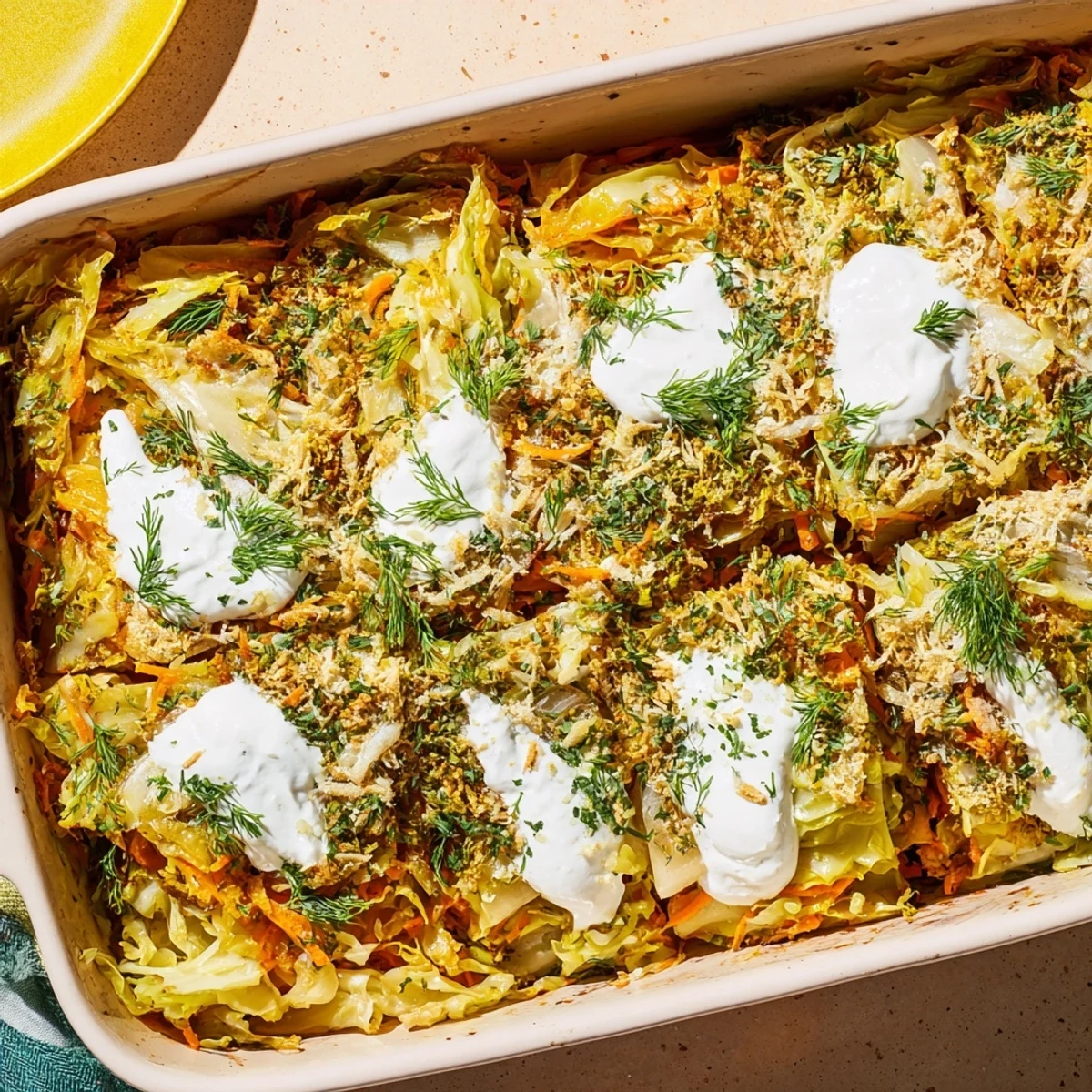
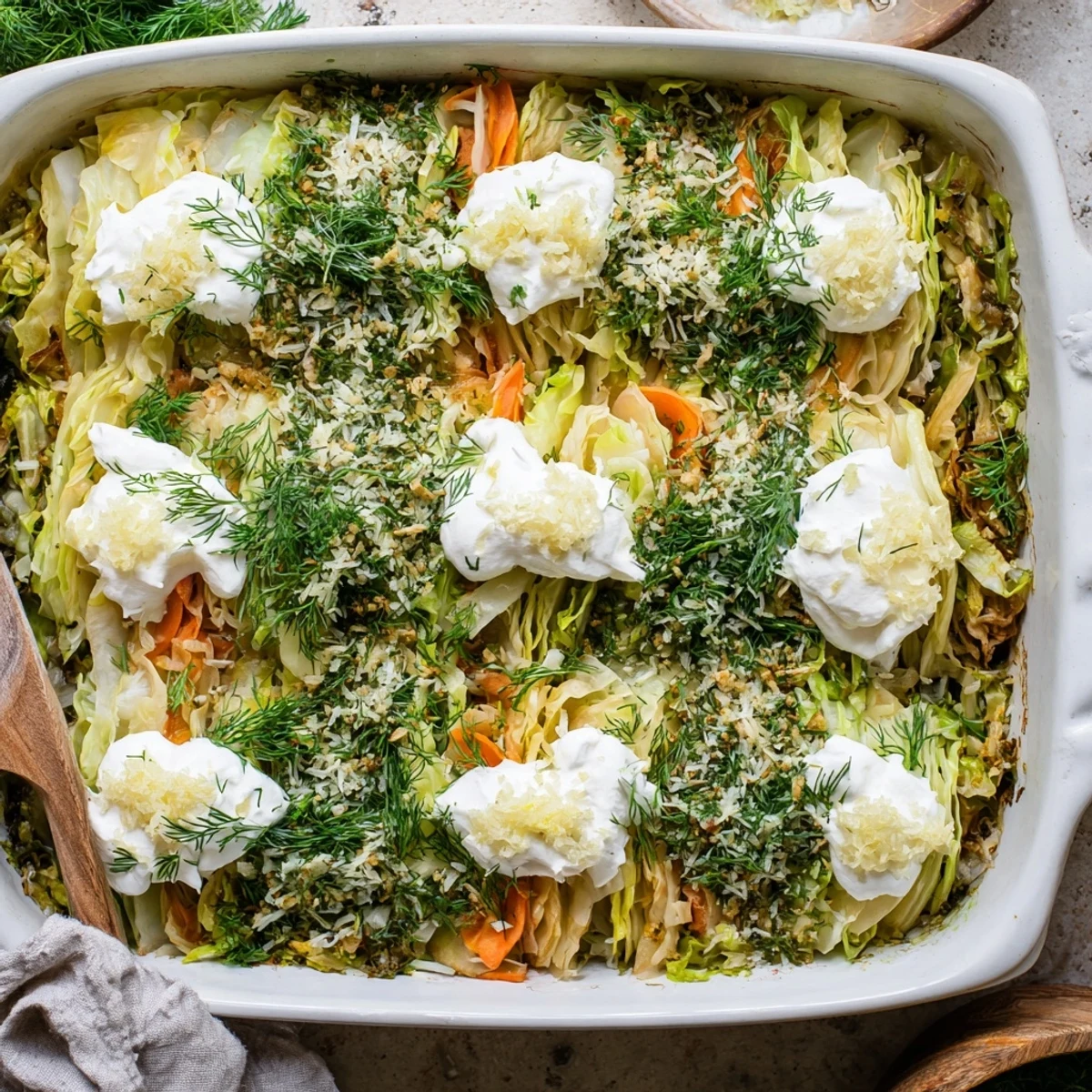
- Spoon the sour cream evenly across the top and sprinkle with cheese during the last 10 minutes of baking. Let it melt and bubble until irresistible.
- Rest and serve:
- Let the casserole sit for 10 minutes before serving so the layers settle and it is easier to scoop. Garnish generously with fresh dill and serve warm.
 Save to Pinterest
 The night my friend who claims to hate cabbage went back for thirds of this casserole was the night I knew this recipe was a keeper. She now asks me to bring it to every potluck we attend.
Making It Heartier
If you want to turn this from a side into a truly filling main course try tucking sautéed mushrooms or a layer of cooked brown lentils between the cabbage and sauerkraut. The mushrooms soak up all those caraway and paprika flavors in a way that feels almost luxurious.
What to Serve Alongside
Crusty bread is the obvious choice because you will want something to soak up every bit of the rich tangy juices at the bottom of the dish. Boiled potatoes also work beautifully and keep the whole meal rooted in that comforting Eastern European tradition.
Wine Pairing and Storage
A glass of dry Riesling sitting next to this casserole on a cold evening is a small luxury that costs almost nothing. Leftovers keep well in the fridge for up to four days and the flavors deepen overnight which makes it an ideal make ahead meal.
- Freeze individual portions in airtight containers for up to two months.
- Reheat gently in the oven at 350 degrees F rather than the microwave for the best texture.
- Always taste before adding extra salt since the sauerkraut continues to release flavor as it sits.
 Save to Pinterest
 This is the kind of humble dish that reminds you comfort food does not need to be complicated or expensive. Just cabbage patience and a handful of spices can create something truly special.
Frequently Asked Questions
- → Can I make this dish ahead of time?
-
Yes, this casserole reheats beautifully and actually develops deeper flavors when made a day ahead. Store in the refrigerator and reheat at 350°F for 20-30 minutes until warmed through.
- → What can I serve with this casserole?
-
This pairs wonderfully with crusty bread, boiled potatoes, or spaetzle. For a complete meal, serve alongside a fresh green salad with vinaigrette to balance the rich, hearty flavors.
- → Is this suitable for meal prep?
-
Absolutely. The casserole keeps well in the refrigerator for 4-5 days and freezes for up to 3 months. Portion into individual containers for easy reheating throughout the week.
- → Can I use red cabbage instead?
-
Red cabbage works beautifully and adds vibrant color. Note that red cabbage may take slightly longer to soften and will give the dish a slightly sweeter, more robust flavor profile.
- → How do I make this dish more protein-rich?
-
Add layers of sautéed mushrooms, cooked lentils, or white beans between the cabbage and sauerkraut layers. Smoked tofu or tempeh also complement the flavors wonderfully.
- → Can I cook this in a slow cooker?
-
Yes. Layer ingredients in your slow cooker, add the liquid, and cook on low for 6-8 hours. For the caramelized top, transfer to an oven-safe dish and broil for 5-10 minutes before serving.