
 Save to Pinterest
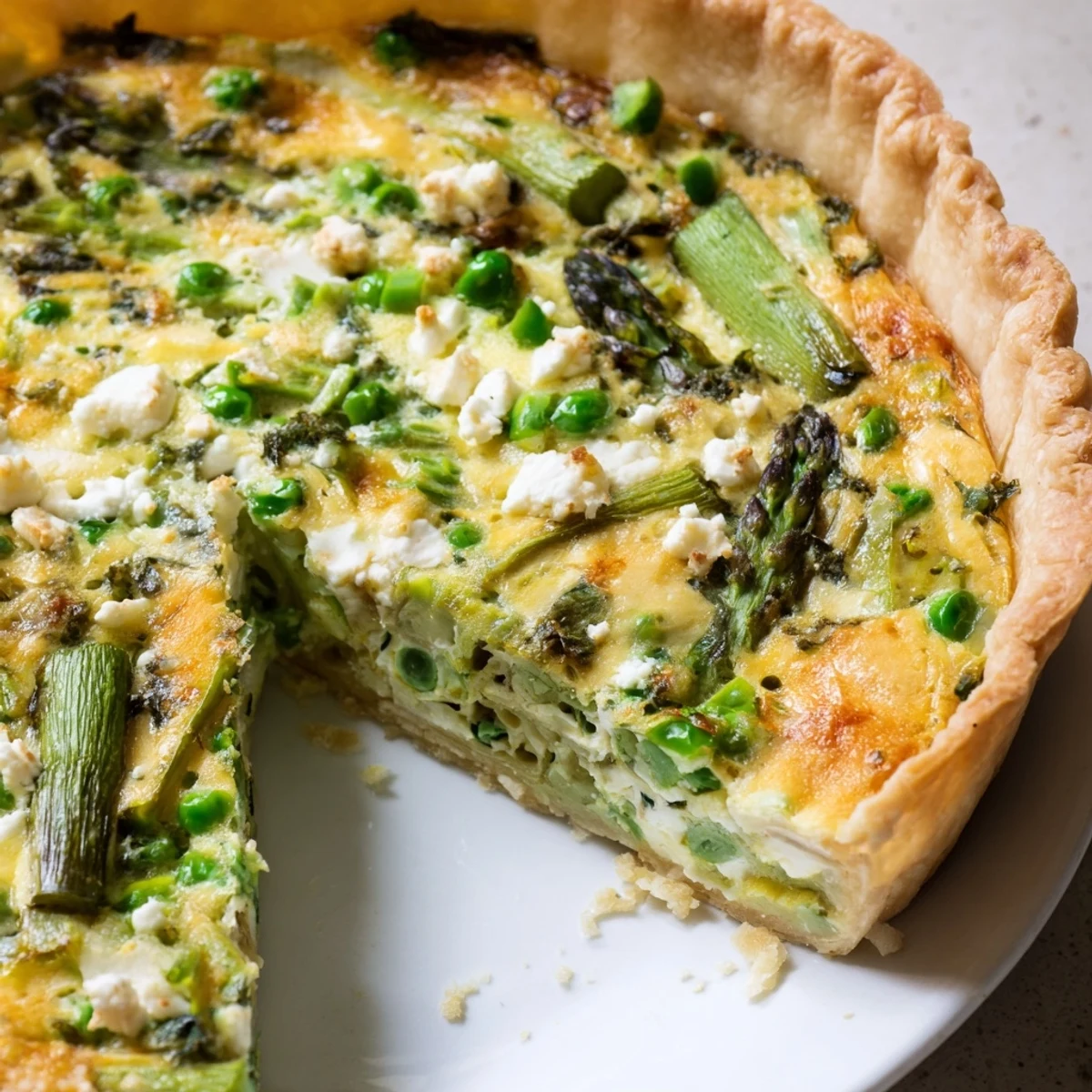
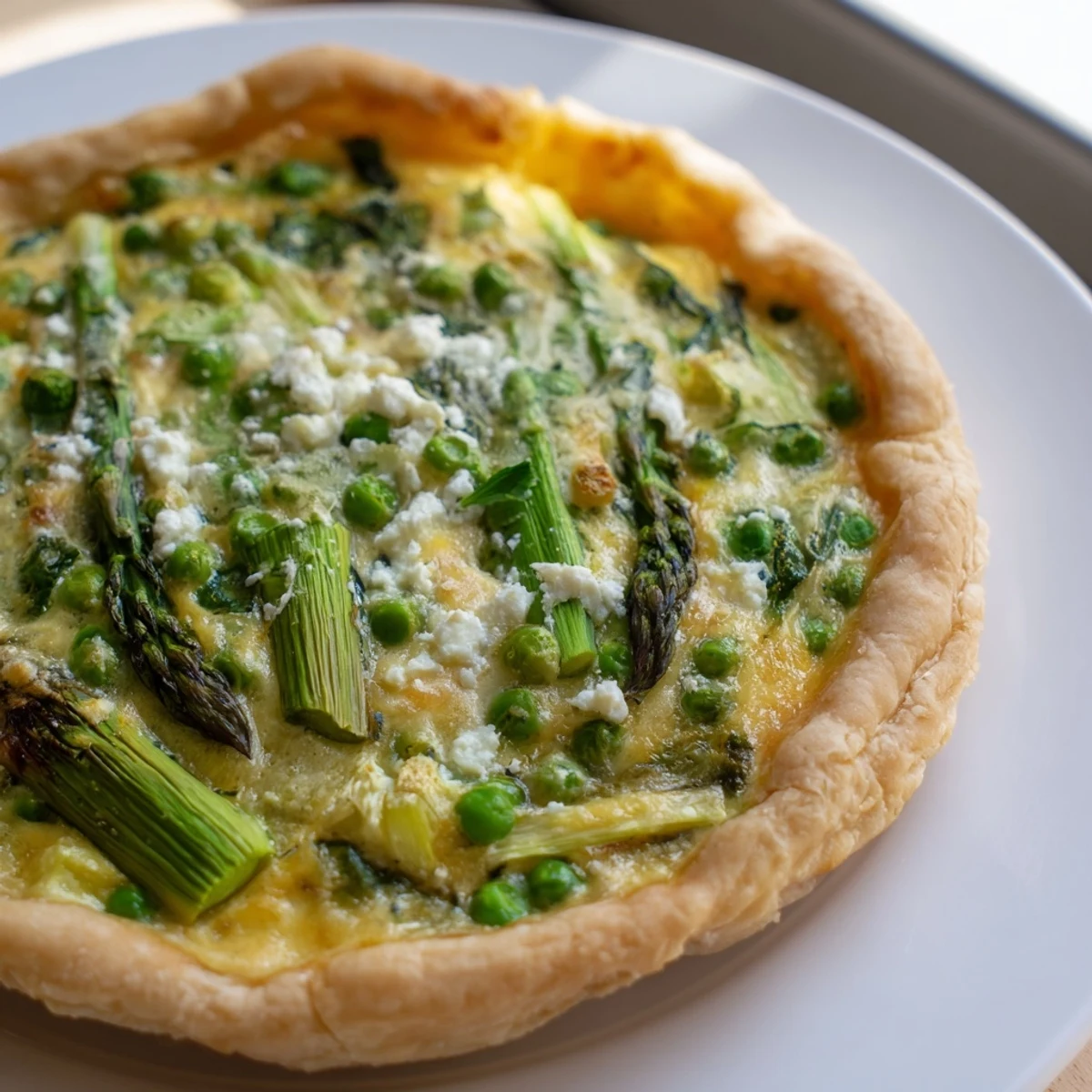
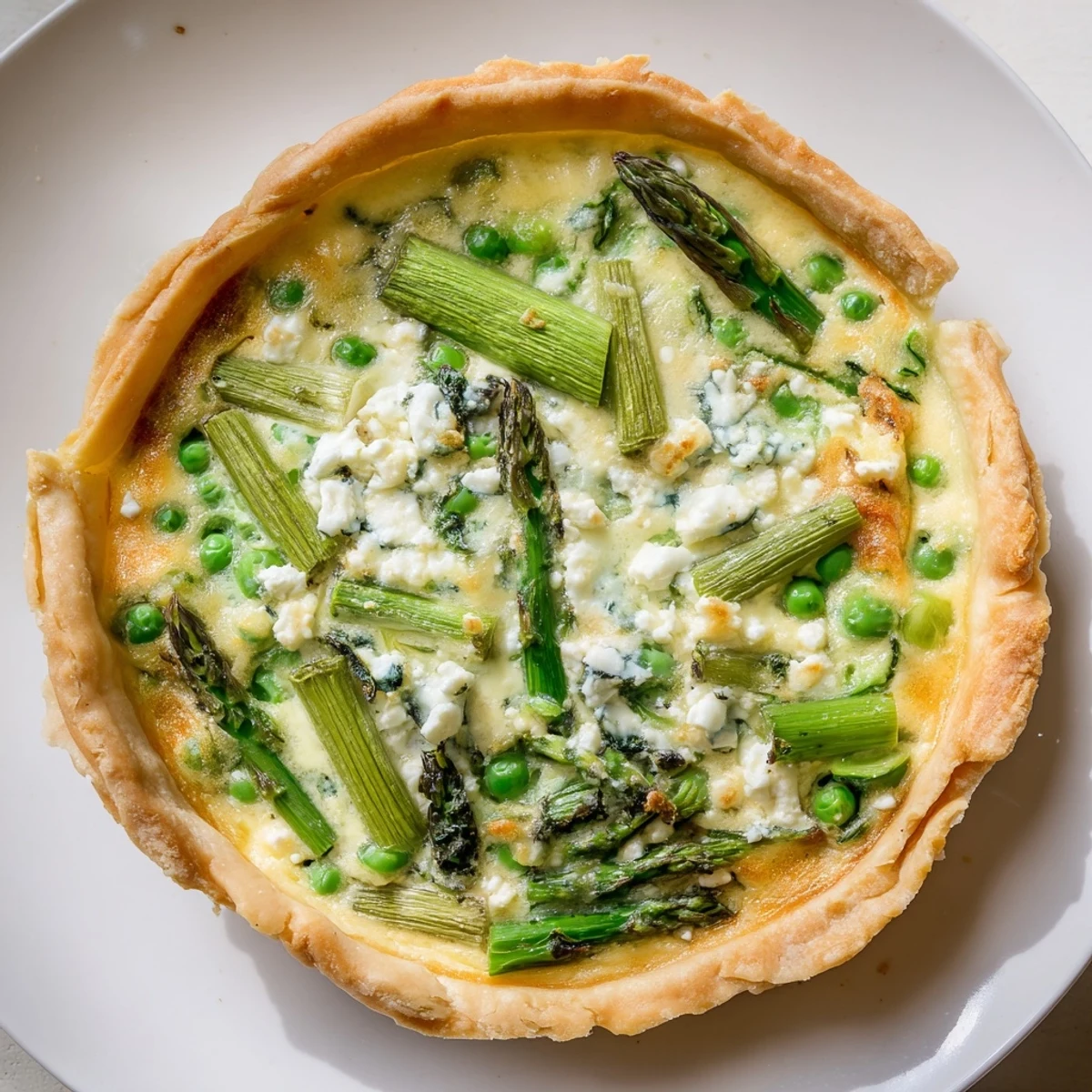
 This delightful dish features tender asparagus, fresh spinach, peas, and scallions sautéed and layered over a flaky, golden crust. A smooth blend of eggs, cream, and Gruyère with crumbled feta produces a rich, creamy custard baked to perfection. Ideal for a light brunch or dinner, it balances fresh spring vegetables with savory cheeses. The crust’s buttery texture and the aromatic nutmeg complement each bite, making it a satisfying choice for gatherings or a refined family meal. Fresh herbs can be added for extra brightness.
The first time I made quiche, I was shocked that something so elegant could emerge from such humble ingredients. My grandmother would shake her head at how casual I'd become about pastry, but there's something deeply satisfying about transforming flour, butter, and eggs into a meal that makes people pause and smile. This spring version came together on a rainy Sunday when the farmers market overflowed with tender asparagus and bright green peas, and I needed something warm that felt like a hug.
Last spring, I served this at a brunch with friends who claimed they hated quiche. They went back for seconds, and one of them actually asked to take home the recipe card with grease stains still visible on it. Watching someone's face light up when they take that first bite, when the creamy custard meets the salty cheese and sweet vegetables, that's the moment this recipe became a permanent fixture in my collection.
Ingredients
- 1 1/4 cups all-purpose flour: The backbone of your crust, and I've found that weighing it at 160g gives the most consistent results across different measuring techniques
- 1/2 tsp fine sea salt: Don't skip this even though it seems tiny, because salt is what makes pastry taste like something you want to eat rather than just cardboard
- 8 tbsp cold unsalted butter, cubed: This must be straight from the fridge, cold enough that your fingers get tired working it in, because those butter pockets are what create flaky layers
- 3-4 tbsp ice water: Add this one tablespoon at a time, because too much water makes tough crust and too little makes it crumble apart
- 1 tbsp olive oil: A gentle coating for the vegetables so they don't stick to your pan while they cook down
- 1 cup asparagus, sliced: Look for spears that snap cleanly when bent, which means they're fresh and tender enough to eat without woody bits
- 1 cup baby spinach, chopped: Even though it seems like a lot, spinach wilts down to almost nothing, so don't be shy about piling it in
- 1/2 cup shelled fresh or frozen peas: Frozen peas work beautifully here, and honestly, I often prefer them because they're consistently sweet
- 1/2 cup scallions, thinly sliced: These provide a gentle onion flavor that won't overwhelm the delicate spring vegetables
- 3 large eggs: Room temperature eggs whisk into a smoother custard, so set them out about 30 minutes before you start cooking
- 3/4 cup whole milk: The protein structure that holds your quiche together, and whole milk gives the richest texture without being heavy
- 1/2 cup heavy cream: This is what makes the custard feel luxurious and silky, like something from a French bakery
- 1/2 tsp salt and 1/4 tsp black pepper: Adjust these to taste, but remember the cheese will add saltiness too
- 1/4 tsp freshly grated nutmeg: Traditional in quiche and it adds this subtle warmth that people can't quite put their finger on but definitely notice
- 1 cup Gruyère cheese, grated: This melts beautifully and adds that nutty, slightly sweet flavor that makes quiche taste expensive
- 1/2 cup feta cheese, crumbled: Salty and tangy little pockets that contrast perfectly with the mild vegetables
Instructions
- Make the pastry dough:
- Whisk flour and salt in a bowl, then work in cold butter with your fingers until the mixture looks like coarse crumbs with some pea-sized pieces still visible. Sprinkle ice water over the top, tossing with your fingers just until the dough holds together when squeezed, then shape it into a disk, wrap it tightly, and let it rest in the fridge for at least 30 minutes while you prepare everything else.
- Blind bake the crust:
- Roll your chilled dough on a lightly floured surface until it's about 1/8 inch thick, then gently press it into your tart pan and trim any overhanging edges. Prick the bottom all over with a fork, line it with parchment paper, fill with pie weights or dried beans, and bake at 375°F for 15 minutes before removing the weights and baking for 5 more minutes until the bottom is set and dry.
- Cook the spring vegetables:
- Warm olive oil in a skillet over medium heat, then add asparagus and scallions, cooking them for just 2-3 minutes until they start to soften. Toss in the spinach and peas, stirring until the spinach wilts and everything looks bright green and tender, then remove the pan from heat and let the vegetables cool slightly.
- Whisk the custard base:
- In a medium bowl, beat eggs until they're uniform in color, then whisk in milk, cream, salt, pepper, and nutmeg until everything is fully combined and slightly frothy. Let this sit while you assemble the quiche, which allows any bubbles to rise to the surface.
- Assemble and bake the quiche:
- Spread your cooked vegetables evenly across the bottom of the par-baked crust, then sprinkle Gruyère and feta cheese over the top. Pour the egg mixture gently over the filling, sliding the tart pan onto the oven rack carefully, and bake for 30-35 minutes until the center is just set when you jiggle the pan and the top is golden brown.
 Save to Pinterest
 There was this one morning when my daughter helped me make this recipe, carefully arranging the vegetables like little green jewels in the crust. She was so proud of her contribution that she told everyone at dinner that night she'd made the entire thing herself, and I didn't have the heart to correct her. Some recipes are about technique, but this one is about the joy of putting something beautiful on the table.
Making It Ahead
The dough actually benefits from resting overnight in the fridge, which gives the flour time to fully hydrate and makes it easier to roll out without springing back. You can also bake the entire quiche a day ahead, store it covered in the refrigerator, and serve it at room temperature, which is how I often do it for brunch parties. I've found that reheating slices in a 300°F oven for 10 minutes brings back that fresh-baked texture better than microwaving ever could.
Vegetable Variations
When asparagus season ends, I swap in thinly sliced zucchini or yellow squash, which cook down into silky ribbons that complement the custard perfectly. Leeks become the star in fall, caramelized slowly until they're sweet and meltingly tender, and winter versions might feature roasted butternut squash cubes with a sprinkle of sage. The template stays the same, but each season brings a slightly different personality to the dish, which is probably why I never get tired of making it.
Serving Suggestions
A crisp green salad with a bright vinaigrette cuts through the richness of the custard and makes this feel like a complete meal rather than just a heavy egg dish. I love serving it with roasted baby potatoes tossed with herbs, or sometimes just a simple bowl of fresh fruit when I want something lighter. A chilled Sauvignon Blanc or dry rosé pairs beautifully, though honestly, freshly squeezed orange juice feels more appropriate for brunch.
- Set out some good crusty bread to soak up any leftover custard, because that's often the best part
- A sprinkle of fresh chives or dill over the top right before serving adds a pop of color and flavor
- Leftovers make the most luxurious breakfast sandwich you've ever had, tucked between toasted sourdough
 Save to Pinterest
 There's something deeply comforting about having a recipe like this in your back pocket, one that works for Sunday breakfast, weekday lunches, and impromptu dinner guests alike. I hope it becomes as reliable in your kitchen as it has in mine.
Frequently Asked Questions
- → What makes the crust flaky?
-
Cold butter cut into flour creates small pockets of fat that melt during baking, resulting in a tender, flaky texture.
- → Can I substitute the spring vegetables?
-
Yes, zucchini, leeks, or other seasonal vegetables can be used to maintain freshness and flavor.
- → How do I prevent the crust from getting soggy?
-
Blind bake the crust first with parchment and weights to ensure it stays crisp under the filling.
- → What kind of cheeses are used?
-
A combination of Gruyère and crumbled feta adds richness and a slightly tangy bite to the custard base.
- → Can this dish be served warm or cold?
-
It’s delicious served warm or at room temperature, allowing flavors to fully develop.