
 Save to Pinterest
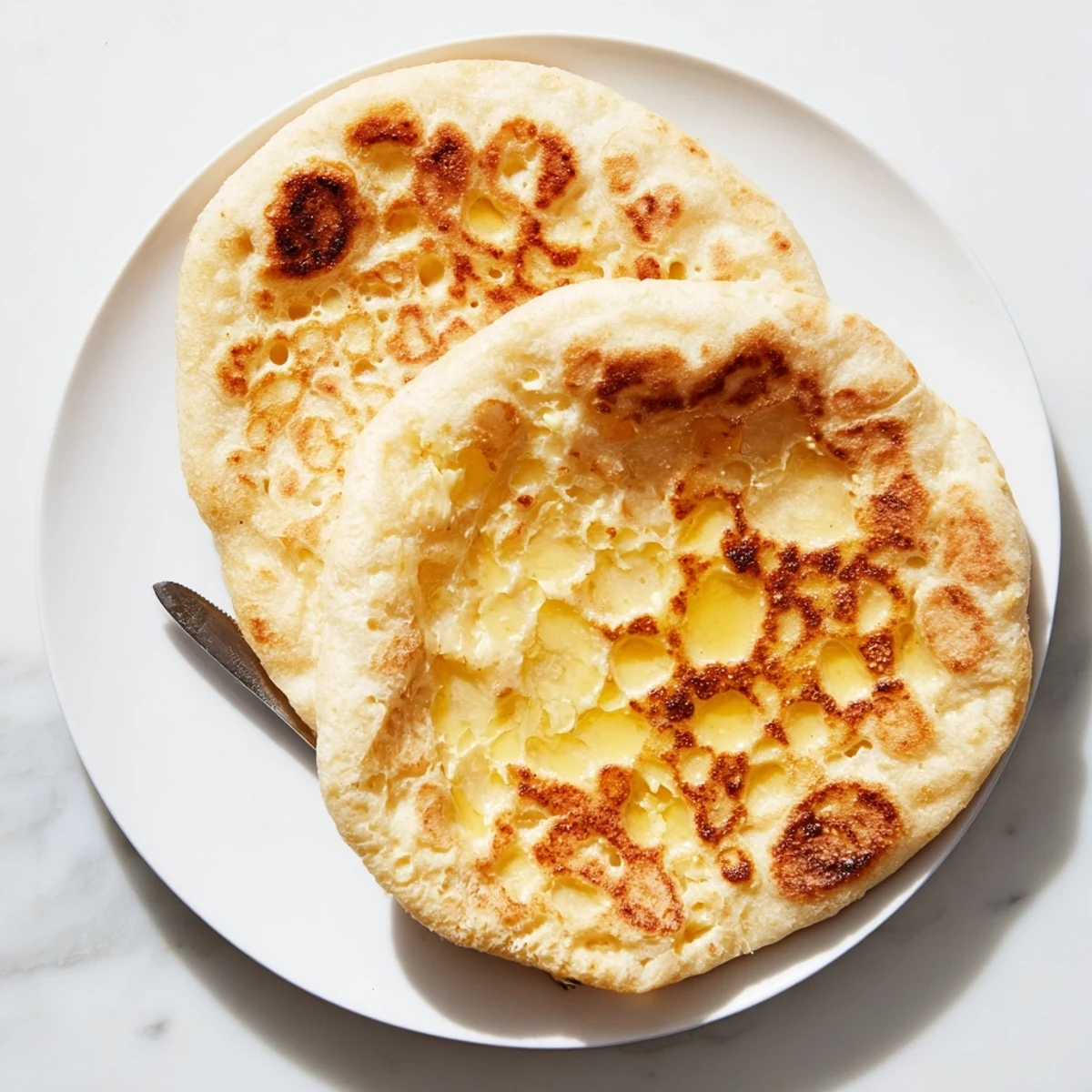
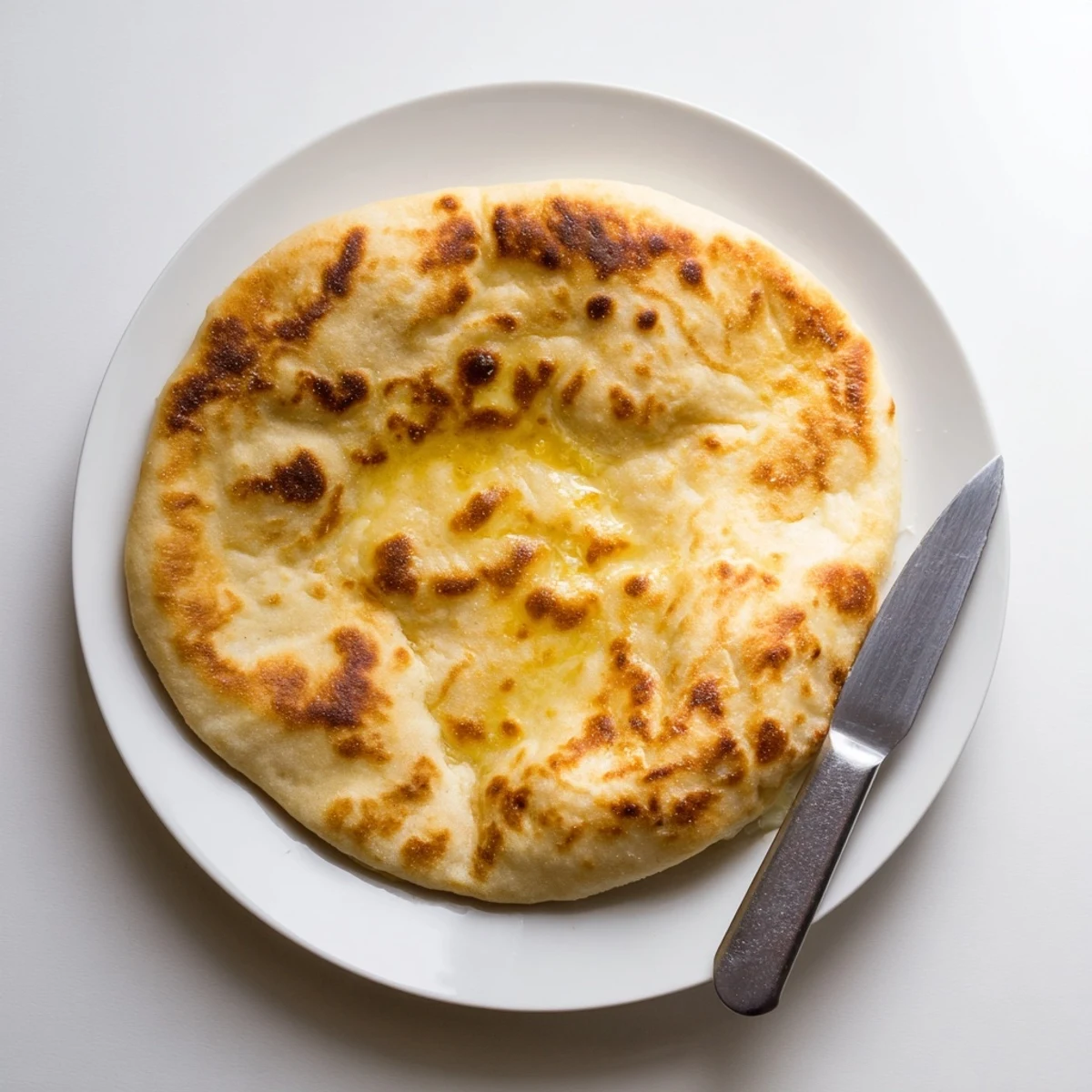
 This traditional Turkish flatbread delivers irresistibly soft, pillowy texture with a beautiful golden crust. The yogurt-enriched dough creates exceptional tenderness while the high-heat cooking method produces those signature charred spots and slight chew. Each 15cm round puffs up beautifully on the griddle, resulting in versatile flatbreads ideal for scooping dips, wrapping grilled meats, or simply savoring warm with melted butter. The straightforward process requires just one rise and basic pantry staples, making this an approachable project for bakers of any skill level.
The first time I made bazlama, my apartment smelled like a village bakery in Ankara. My neighbor knocked on the door thinking Id bought fresh bread from some hidden market. We stood in my tiny kitchen tearing pieces off the stack, steam rising between our fingers, and Ive been hooked ever since.
Last winter when my sister came over feeling under the weather, I made a double batch. Something about warm bread with melting butter feels like medicine for the soul. We ate twelve pieces between us, just standing at the counter, dipping them in olive oil and talking until the kitchen went dark.
Ingredients
- 500 g all-purpose flour: The protein content gives structure while keeping things tender
- 7 g instant dry yeast (1 packet): Instant yeast eliminates the need for proofing in warm water first
- 1½ teaspoons sugar: Feeds the yeast and helps develop that beautiful golden color
- 1 teaspoon salt: Enhances flavor and strengthens the gluten structure
- 300 ml lukewarm water: Should feel like bathwater, not hot or cold to the touch
- 125 g plain yogurt (at room temperature): The secret ingredient that makes these breads impossibly soft
- 1–2 tablespoons olive oil or melted butter: For brushing warm breads and adding that final touch of richness
Instructions
- Wake up the yeast:
- Combine lukewarm water, yeast, and sugar in a large bowl. Let it sit until you see a foamy layer on top, like a beige sea foam.
- Add the yogurt:
- Pour in the room temperature yogurt and mix until everythings incorporated. The mixture should look creamy and slightly thick.
- Build the dough:
- Gradually add flour and salt, mixing with your hand or a wooden spoon until a shaggy, sticky mass forms.
- Knead until smooth:
- Turn onto a floured surface and knead for about 10 minutes. The dough should transform from sticky to silky smooth, bouncing back when pressed.
- Let it rise:
- Cover the bowl with a damp cloth and find a warm corner. Let the dough double in size, about one hour.
- Divide and portion:
- Punch down gently, turn onto a floured surface, and cut into 8 equal pieces. Each should be roughly the size of a tennis ball.
- Shape the rounds:
- Flatten each ball into a disc, then roll to about 15 cm across and 8 mm thick. Dont worry about perfect circles.
- Heat your pan:
- Get a nonstick skillet or cast iron ripping hot over medium-high heat. A drop of water should sizzle and dance across the surface.
- Cook the first side:
- Lay in one flatbread and cook for 2-3 minutes. Watch for golden spots and bubbles puffing up like magic.
- Flip and finish:
- Turn and cook another 1-2 minutes until the other side has those beautiful brown patches. Brush with oil or butter if you want extra richness.
- Keep them warm:
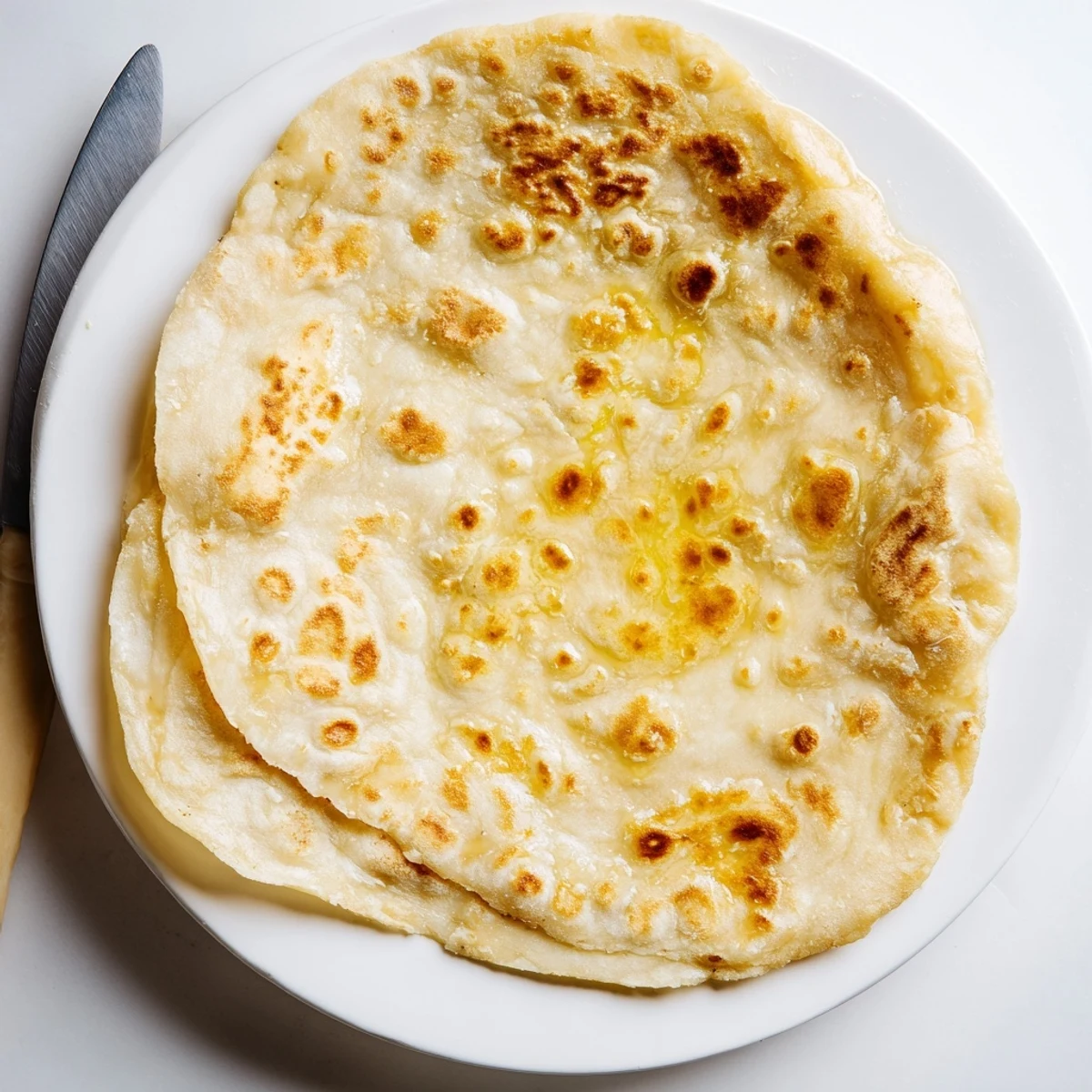
- Stack cooked breads under a clean kitchen towel while you finish the rest. This keeps them soft and pliable.
 Save to Pinterest
 These breads have become my go-to when friends drop by unexpectedly. Something about pulling them warm from the pan and watching people tear into them makes even a Tuesday night feel special.
Getting The Texture Right
The dough should feel slightly tacky but not gluey after kneading. If its sticking to everything, dust lightly with flour. If it feels dry and tight, wet your hands and continue kneading. That sweet spot creates the pillowy inside we want.
Serving Ideas That Work
I love tearing these still-warm and dipping them in olive oil with zaatar. They also make incredible wraps with anything from grilled vegetables to spiced meats. At breakfast, try them with honey and thick yogurt for something completely different.
Storage And Reheating
These breads freeze beautifully, which means I always keep a stash for emergency bread cravings. Reheat them in a hot pan for 30 seconds per side and they come back to life remarkably well.
- Freeze with parchment paper between each bread so they dont stick
- Reheat in a dry pan, not the microwave, to preserve that chewy-crisp texture
- If storing at room temperature, eat within two days for best results
 Save to Pinterest
 Theres something deeply satisfying about making your own flatbread. Once you taste these fresh from the pan, store-bought will never quite measure up again.
Frequently Asked Questions
- → What makes Bazlama different from naan?
-
Bazlama uses yogurt in the dough like naan, but cooks on a dry skillet without the tandoor oven. The texture is slightly denser with a more uniform thickness, making it excellent for wrapping sandwiches or scooping thick dips.
- → Can I make the dough ahead of time?
-
Yes, prepare the dough and let it complete its first rise, then refrigerate for up to 24 hours. Bring to room temperature before shaping and cooking. The extended fermentation actually enhances flavor development.
- → What's the best way to store leftover Bazlama?
-
Keep cooked flatbreads in an airtight container at room temperature for 2 days, or freeze for up to 2 months. Reheat in a hot skillet for 30 seconds per side to restore softness and warmth before serving.
- → Can I substitute the yogurt?
-
Greek yogurt, labneh, or even sour cream work well. For dairy-free versions, coconut yogurt creates subtle sweetness, though the texture becomes slightly less tender. Plain plant-based yogurt is another viable alternative.
- → Why didn't my flatbreads puff up?
-
Insufficient heat or overcrowding the pan prevents proper puffing. Ensure your skillet is thoroughly preheated over medium-high heat, and cook one or two pieces at a time. The dough needs immediate, intense heat to create steam pockets.