
 Save to Pinterest
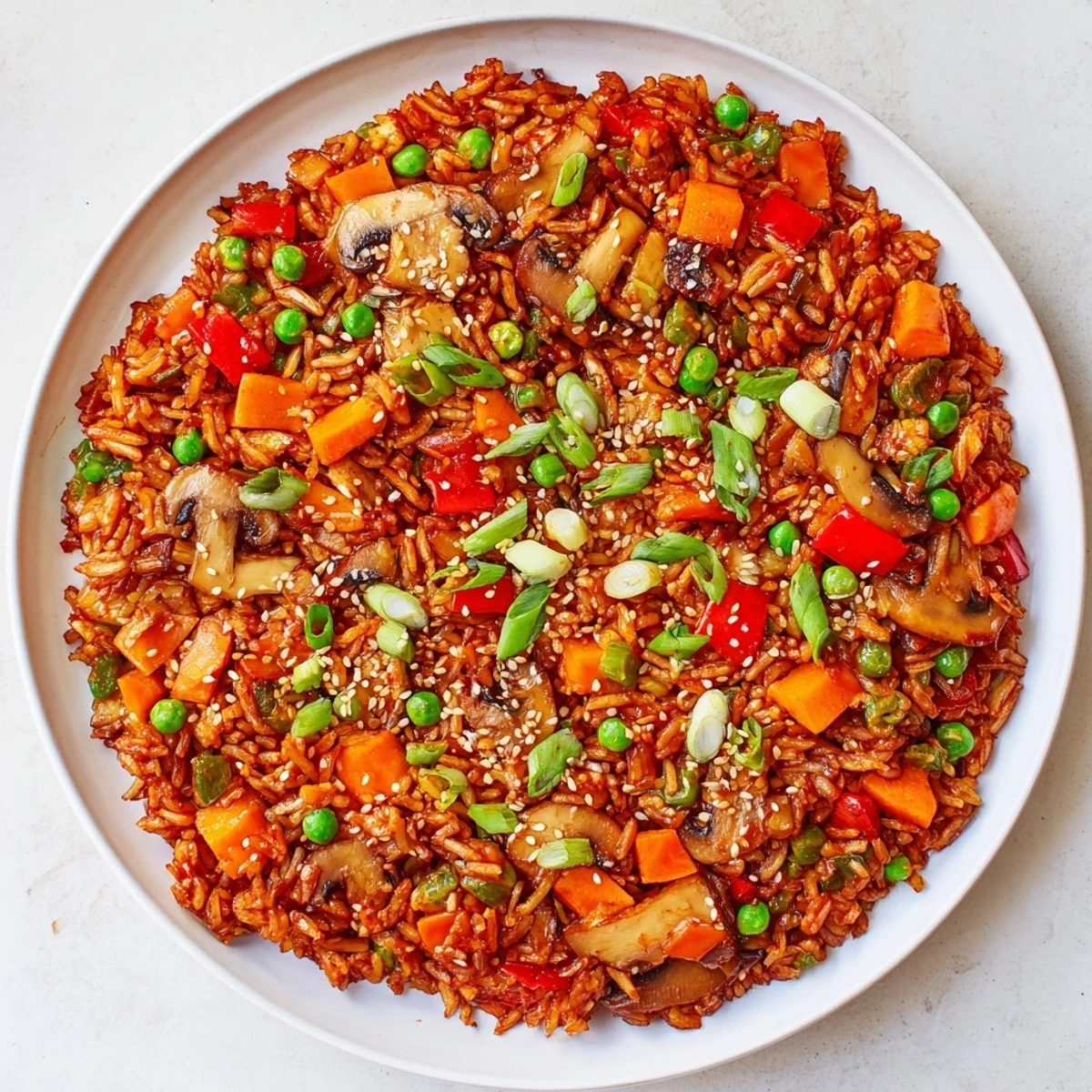
 This vibrant Korean-inspired fried rice combines the bold heat of gochujang with crisp vegetables and day-old rice for a satisfying plant-based meal. The spicy-savory sauce coats every grain while vegetables add crunch and texture. Ready in just 30 minutes, this dish comes together quickly for weeknight dinners. The rice develops slightly crispy edges when stir-fried over high heat, creating irresistible texture contrast.
The sizzle of rice hitting a screaming hot wok is one of those sounds that instantly pulls me into the kitchen, curious and hungry. My introduction to gochujang came from a Korean neighbor who handed me a tub of the red paste and simply said it would change my cooking forever. She was right, and this fried rice is proof that bold Korean flavors need zero animal products to feel deeply satisfying.
A rainy Tuesday evening was when this dish really clicked for me. I had leftover jasmine rice from the night before and a half empty jar of gochujang staring me down from the fridge door, and what started as a lazy dinner turned into the meal my partner now requests every single week.
Ingredients
- Day old jasmine or short grain rice (3 cups cooked): Fresh rice holds too much moisture and turns gummy, so spread your leftover rice on a sheet pan and let it dry out a bit in the fridge overnight.
- Carrot (1 medium, diced): Adds a gentle sweetness and bright orange color that contrasts beautifully with the red sauce.
- Frozen peas (1 cup): No need to thaw them, they cook perfectly straight from frozen and keep their bright green pop.
- Red bell pepper (1, diced): Its natural sweetness balances the ferocious heat of the gochujang.
- Green onions (4, sliced, white and green parts separated): The white ends go into the pan early for a savory backbone, while the greens get tossed in at the end for freshness.
- Garlic (2 cloves, minced): Freshly minced always beats pre jarred here because the aroma hitting hot oil is half the experience.
- Shiitake or button mushrooms (1 cup, sliced): Shiitakes bring a meaty depth that makes this feel like a complete meal, but buttons work fine in a pinch.
- Gochujang (3 tbsp, vegan): The soul of this dish, check the label since some brands sneak in fish products or honey.
- Soy sauce or tamari (2 tbsp): Tamari keeps it gluten free and has a rounder, richer flavor than standard soy sauce.
- Toasted sesame oil (1 tbsp): A little goes a long way and adds that unmistakably nutty Korean fragrance.
- Maple syrup or agave (1 tbsp): Just enough sweetness to mellow the chilies without making anything taste like dessert.
- Rice vinegar (1 tbsp): Brightens the whole sauce and keeps the richness from feeling heavy.
- Neutral oil (1 tbsp): Vegetable or canola oil handles high heat without burning, unlike olive oil.
- Sesame seeds and extra green onions (for garnish): A final shower of these makes the bowl look like it came from a restaurant.
Instructions
- Whisk the sauce together:
- In a small bowl, combine the gochujang, soy sauce, sesame oil, maple syrup, and rice vinegar until smooth and uniform. Give it a taste and imagine how concentrated those flavors will become once they hit hot rice.
- Get the wok screaming hot:
- Heat the neutral oil in a large skillet or wok over medium high heat until it shimmers and just begins to smoke. A hot pan is the difference between fried rice and sad, steamed rice.
- Build the aromatic base:
- Toss in the white parts of the green onions, garlic, and diced carrots, stir frying for about two minutes until the carrots soften slightly and your kitchen smells incredible.
- Add the bulkier vegetables:
- Dump in the bell pepper and mushrooms, cooking for two to three minutes until edges start to brown and the mushrooms release their savory liquid.
- Quick cook the peas:
- Stir in the frozen peas and give them just one minute to warm through and retain their snappy texture.
- Fry the rice:
- Crank the heat to high, add the rice, and use your spatula to break up any stubborn clumps while stir frying for two to three minutes until every grain is heated through and separated.
- Cover everything in that glorious sauce:
- Pour the gochujang mixture over the rice and vegetables, stirring vigorously so each grain gets coated in that deep red color, and cook for another two to three minutes until you hear the rice crackling and crisping in spots.
- Finish and serve:
- Kill the heat, fold in the green parts of the green onions, taste for salt or spice, and serve immediately with a generous sprinkle of sesame seeds.
 Save to Pinterest
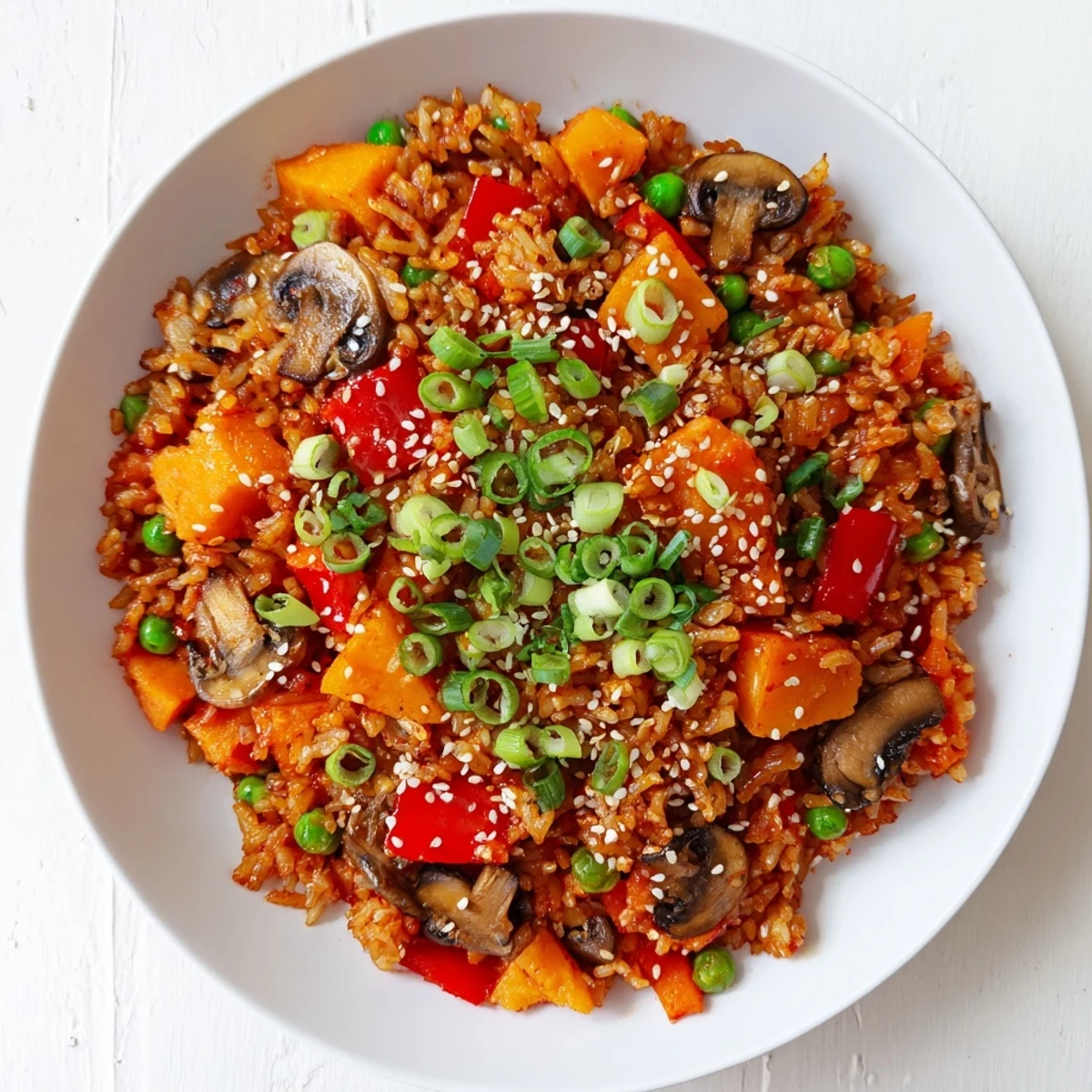
 There is something about a big bowl of crimson fried rice that turns a regular weeknight into a small celebration. I have watched friends who swear they do not like spicy food go back for seconds without blinking.
Making It Your Own
The beauty of fried rice is its forgiveness. Toss in cubed baked tofu or a handful of shelled edamame at the end for protein, swap the bell pepper for zucchini in summer, or throw in leftover roasted Brussels sprouts from Sunday dinner.
Storing and Reheating Leftovers
This rice keeps beautifully in an airtight container in the fridge for up to three days, and honestly I think it tastes even better the next day when the flavors have had time to mingle. Reheat it in a hot skillet with a splash of water to bring back that slight crispness on the grains.
Getting the Texture Right
Perfect fried rice is about contrast, slightly chewy grains with a few crispy edges, tender vegetables with a bit of bite left in them, and a sauce that coats without making anything soggy. That balance comes from high heat, cold rice, and not overcrowding your pan.
- Spread leftover rice on a sheet pan and leave it uncovered in the fridge overnight for the best texture.
- Use the largest pan you own so the rice has room to fry instead of steam.
- Keep all your ingredients prepped and within reach before you turn on the heat because everything moves fast.
 Save to Pinterest
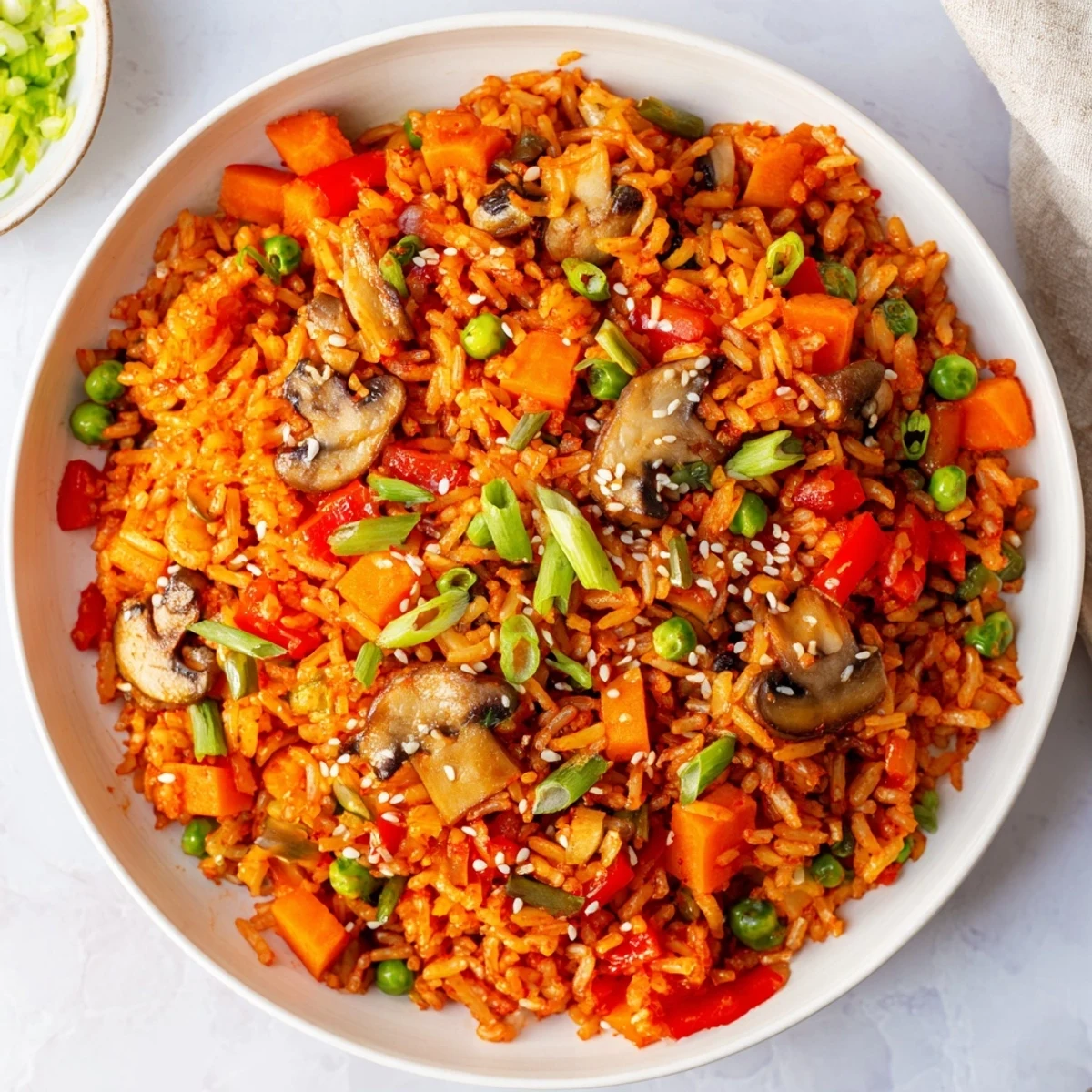
 Once you have a tub of gochujang and a container of day old rice in your kitchen, a phenomenal meal is never more than thirty minutes away. This is the kind of recipe that makes you feel like a confident cook, no culinary school required.
Frequently Asked Questions
- → Can I use fresh rice instead of day-old?
-
Fresh rice works but may become mushy. Day-old rice has dried out slightly, making it perfect for achieving crispy edges. If using fresh rice, spread it on a baking sheet and refrigerate uncovered for 1-2 hours to dry slightly before cooking.
- → Is gochujang naturally vegan?
-
Many traditional gochujang brands contain fish sauce or fermented shrimp. Look for certified vegan varieties or check ingredient labels carefully. Popular vegan-friendly brands include Chung Jung One and CJ Haechandle.
- → How spicy is this dish?
-
Gochujang provides moderate heat with deep umami flavor. The spice level is milder than fresh chili but still noticeable. Reduce to 2 tablespoons for milder flavor or increase to 4 tablespoons for extra heat.
- → What protein additions work well?
-
Cubed baked tofu, edamame, or chickpeas blend seamlessly. For a meaty texture, add shredded king oyster mushrooms or plant-based chicken. Add protein during step 4 to heat through.
- → Can I make this gluten-free?
-
Use tamari instead of soy sauce and verify your gochujang is certified gluten-free. Some brands contain wheat or barley. Several Korean brands now offer dedicated gluten-free gochujang options.
- → How should I store leftovers?
-
Store in an airtight container in the refrigerator for up to 3 days. Reheat in a skillet over medium-high heat for the best texture, adding a splash of water if the rice seems dry. Microwave reheating works but yields softer rice.