
 Save to Pinterest
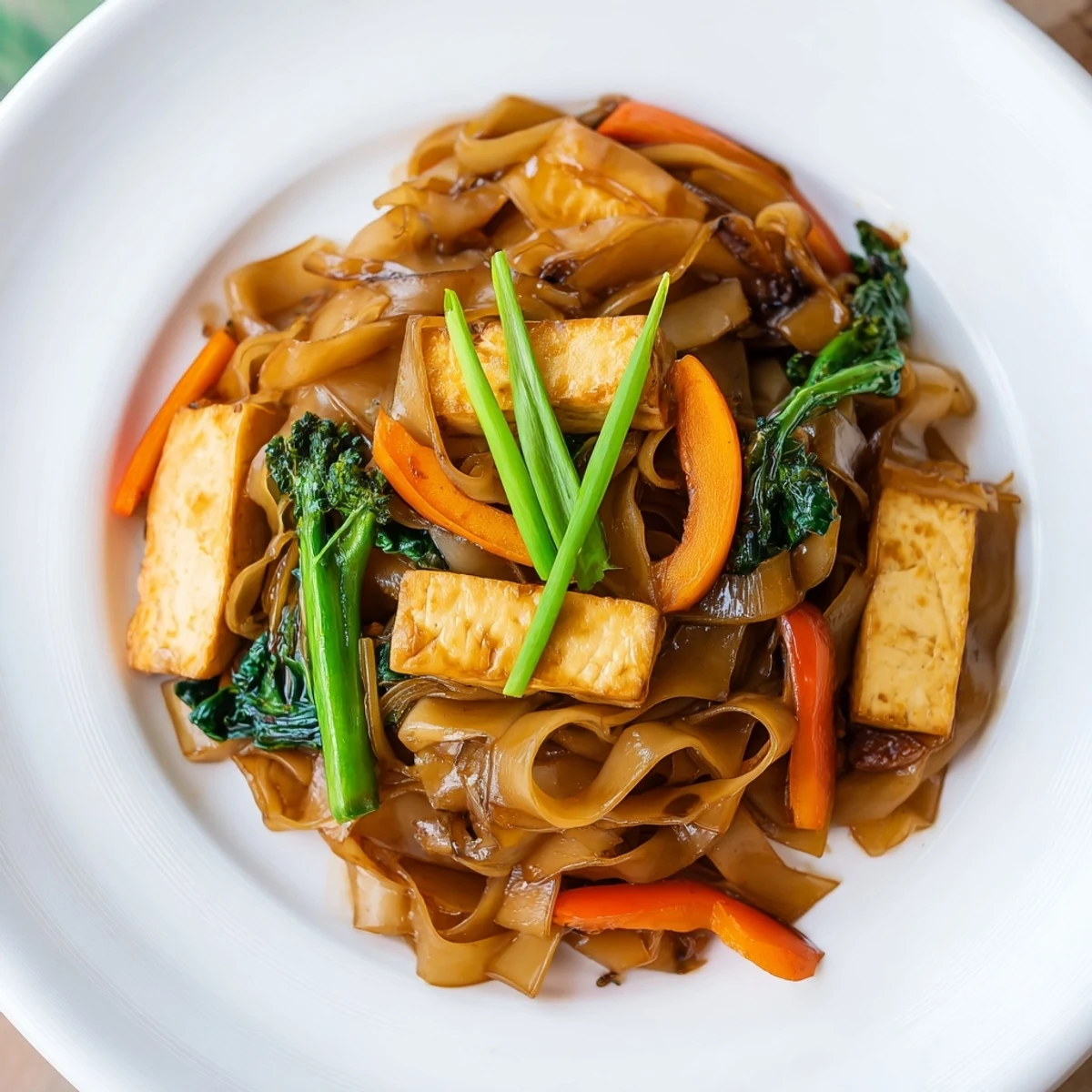
 This vegan Thai stir-fry features wide rice noodles wok-tossed with firm tofu, Chinese broccoli, and crisp vegetables in a savory soy-based sauce. The dish achieves perfect smoky flavors through high-heat cooking, while the balanced combination of light and dark soy sauces creates that characteristic umami depth. Ready in just 30 minutes, this plant-based version delivers authentic Pad See Ew taste with tender noodles and fresh vegetables.
The first time I attempted vegan pad see ew at home, I kept burning the noodles because I couldn't resist the temptation of that restaurant-style wok char. After three attempts, I finally learned that high heat and patience are the secret to achieving those smoky, caramelized edges without turning dinner into a sticky disaster. Now it's become our go-to Friday night dinner, faster than delivery and infinitely more satisfying.
My sister-in-law is Thai and she watched me make this once, gently correcting my technique when I tried to stir everything at once. She taught me to add the broccoli stems before the leaves, and to let the noodles actually touch the hot pan surface for those coveted charred spots. That dinner turned into a weekly tradition where we'd each take a wok and cook alongside each other, trading vegetable additions and sauce tweaks until we found our perfect versions.
Ingredients
- 2 tablespoons light soy sauce: This provides the foundational saltiness, so use a quality brand you enjoy on its own
- 1 tablespoon dark soy sauce: The molasses-like sweetness and deep color are what give pad see ew its characteristic glossy appearance
- 1 tablespoon vegan oyster sauce: Mushroom-based stir-fry sauce works beautifully here, adding that extra depth of savory richness
- 1 teaspoon sugar: Just enough to balance the soy sauce and help achieve those caramelized bits on the noodles
- 2 teaspoons rice vinegar: A bright contrast that cuts through the rich sauce and prevents everything from becoming too heavy
- 1 tablespoon water: Thins the sauce slightly so it coats the noodles evenly without pooling
- 200 g wide rice noodles: Fresh noodles are ideal but dried work wonderfully if soaked until pliable and tender
- 1 tablespoon vegetable oil: A neutral oil with a high smoke point is essential for high-heat stir-frying
- 2 cloves garlic: Minced finely releases maximum aroma and flavor into the hot oil
- 150 g firm tofu: Slice into strips rather than cubes for more surface area and better texture
- 1 small head Chinese broccoli: Separate stems and leaves since they need different cooking times to reach perfect tenderness
- 1 medium carrot: Julienned thin so it cooks quickly and adds a sweet crunch
- 1 small bell pepper: Any color works, bringing sweetness and a bright pop to the dark noodles
- 1-2 green onions: Fresh garnish adds a mild onion bite and beautiful color contrast
- Lime wedges: A squeeze of acidity brightens the whole dish right before serving
Instructions
- Whisk together your sauce:
- Combine light soy sauce, dark soy sauce, vegan oyster sauce, sugar, rice vinegar, and water in a small bowl until the sugar dissolves completely
- Prepare the noodles:
- Cook according to package directions, drain well, and toss with a tiny amount of oil to keep them from clumping together
- Heat your wok:
- Warm oil over medium-high heat until it shimmers, then add garlic and let it sizzle for about 20 seconds until fragrant
- Crisp the tofu:
- Add tofu strips and let them cook undisturbed for 2 to 3 minutes until golden on one side before flipping
- Add the harder vegetables:
- Toss in broccoli stems, carrots, and bell pepper, stir-frying for 2 to 3 minutes until theyre bright but still retain some crunch
- Combine everything:
- Add noodles and sauce to the wok, gently tossing with tongs or cooking chopsticks until every strand is coated and glossy
- Finish with the greens:
- Throw in broccoli leaves and cook for just 1 to 2 minutes until wilted but still vibrant
- Garnish and serve:
- Top with fresh green onions and serve with lime wedges for squeezing at the table
 Save to Pinterest
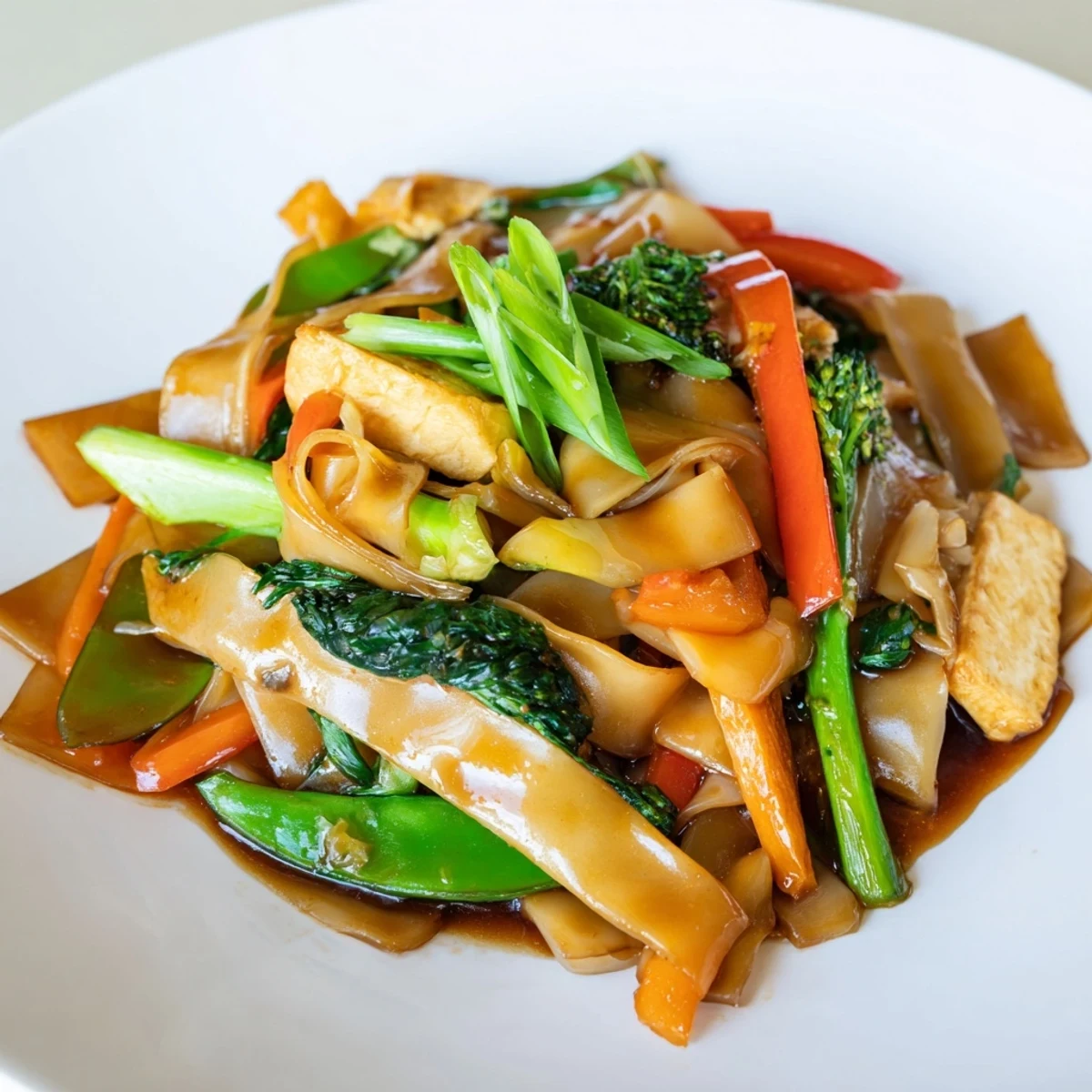
 Last summer, my neighbor who'd never had Thai food tried this and immediately asked for the recipe. She's now experimenting with adding baby corn and snow peas, making the dish her own while keeping the core technique intact. There's something wonderful about a recipe that invites that kind of creative play while still delivering authentic flavors.
Getting That Restaurant Wok Hei
The smoky essence called wok hei comes from high heat and the slight caramelization of sauce against the metal surface. Don't be afraid to let the noodles sit undisturbed for 20 to 30 seconds at a time, letting them develop those charred spots that make restaurant noodles so distinctive. You'll hear them sizzle and maybe even see a little smoke, which is exactly what you want.
Noodle Selection Secrets
Fresh wide rice noodles from Asian markets yield the most authentic texture, but dried rice noodles work wonderfully with proper preparation. Soak dried noodles in warm water for at least 30 minutes until pliable, then boil for just 1 to 2 minutes. They should be tender but still have a slight chew, similar to al dente pasta, since they'll cook more in the sauce.
Make-Ahead Magic
You can whisk the sauce up to three days ahead and store it in a sealed container in the refrigerator. The vegetables can also be prepped and kept in separate containers, making weeknight cooking incredibly fast. When ready to cook, just reheat the sauce briefly if it's solidified from cold storage, then proceed with the recipe as written.
- Cut all your vegetables before starting since stir-frying moves quickly once begun
- Have your sauce whisked and within arm's reach before turning on the heat
- Warm your serving bowls in the oven so the noodles stay hot longer
 Save to Pinterest
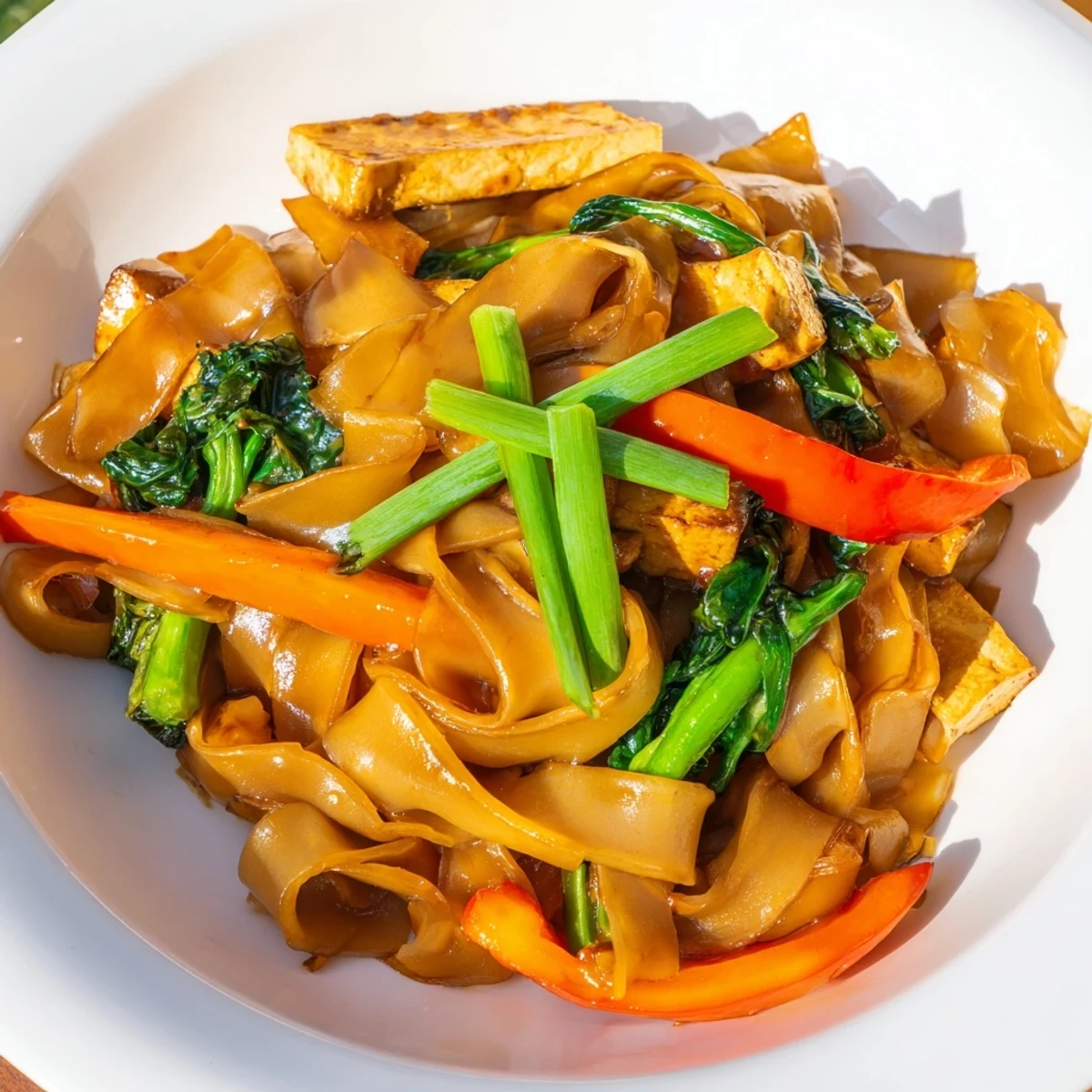
 This dish proves that vegan comfort food can be just as satisfying and complex as any meat-based stir-fry. Once you master the basic technique, you'll find yourself craving those smoky, umami-rich noodles on repeat.
Frequently Asked Questions
- → What makes Pad See Ew different from other Thai noodle dishes?
-
Pad See Ew uses wide rice noodles stir-fried over high heat until slightly charred, creating a distinct smoky flavor. The sauce combines light and dark soy sauces for a balance of salty and sweet notes, unlike the tangier tamarind-based Pad Thai.
- → Can I use dried rice noodles instead of fresh?
-
Absolutely. Soak dried wide rice noodles in warm water for 30-45 minutes until pliable, then drain well before stir-frying. Fresh noodles provide the best texture, but properly soaked dried noodles work wonderfully.
- → What vegetables work best in this dish?
-
Chinese broccoli (gai lan) is traditional, offering perfect crunch and slight bitterness. Broccolini, regular broccoli, bok choy, or snap peas make excellent substitutes. The key is using sturdy vegetables that hold their texture during high-heat cooking.
- → How do I achieve restaurant-style smoky flavor at home?
-
Cook over medium-high to high heat and let the noodles rest against the hot pan for 20-30 seconds without stirring. This allows slight charring, creating that signature wok hei (breath of the wok) flavor found in Thai restaurants.
- → Is this dish gluten-free?
-
It can be gluten-free if you use certified gluten-free soy sauce and tamari instead of regular soy sauce. Always check labels on vegan oyster sauce substitutes, as some contain wheat-based ingredients.
- → Can I prepare the sauce ahead of time?
-
Yes, whisk the sauce ingredients together and store in an airtight container in the refrigerator for up to one week. This makes quick weeknight cooking even faster—just have your vegetables prepped and noodles ready.