
 Save to Pinterest
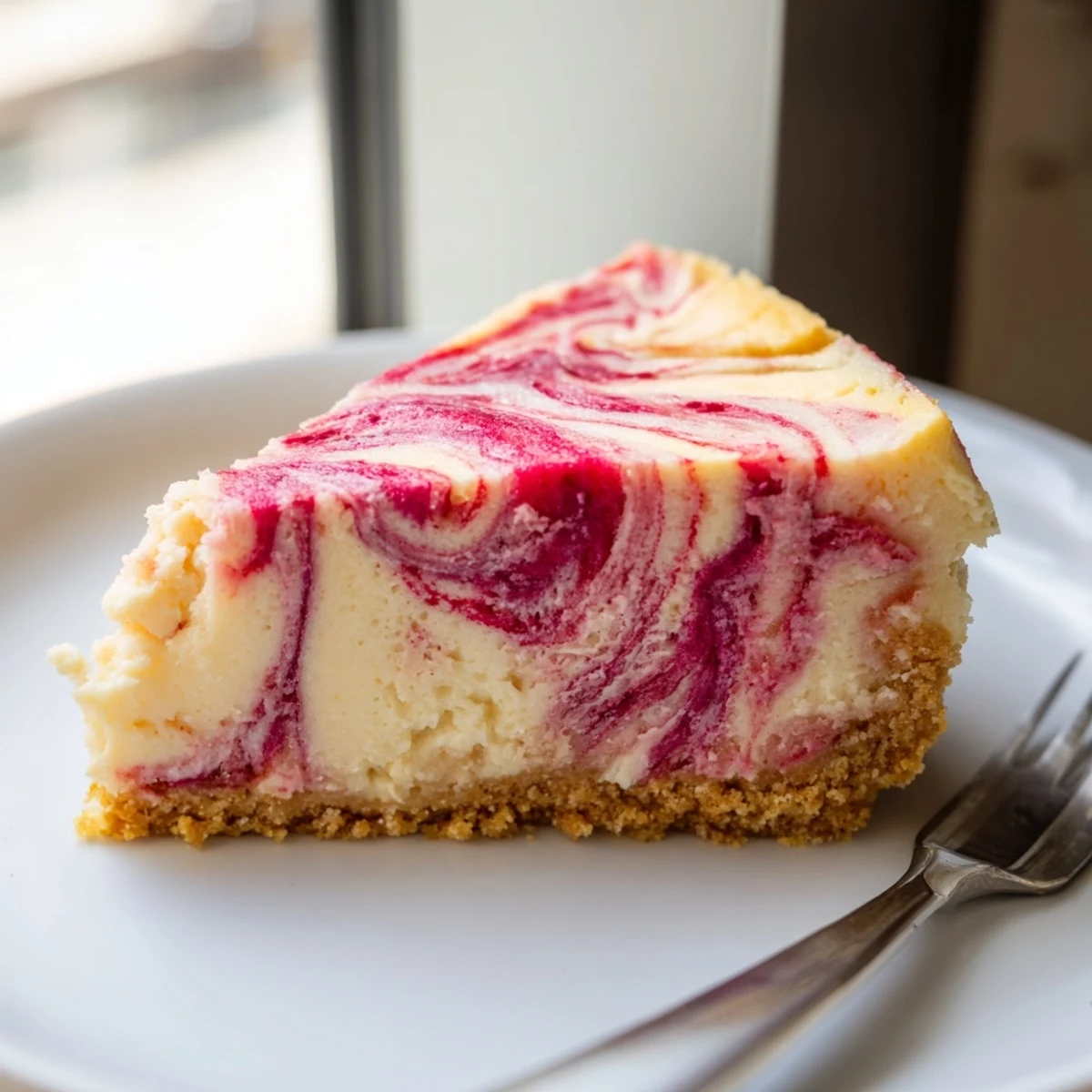
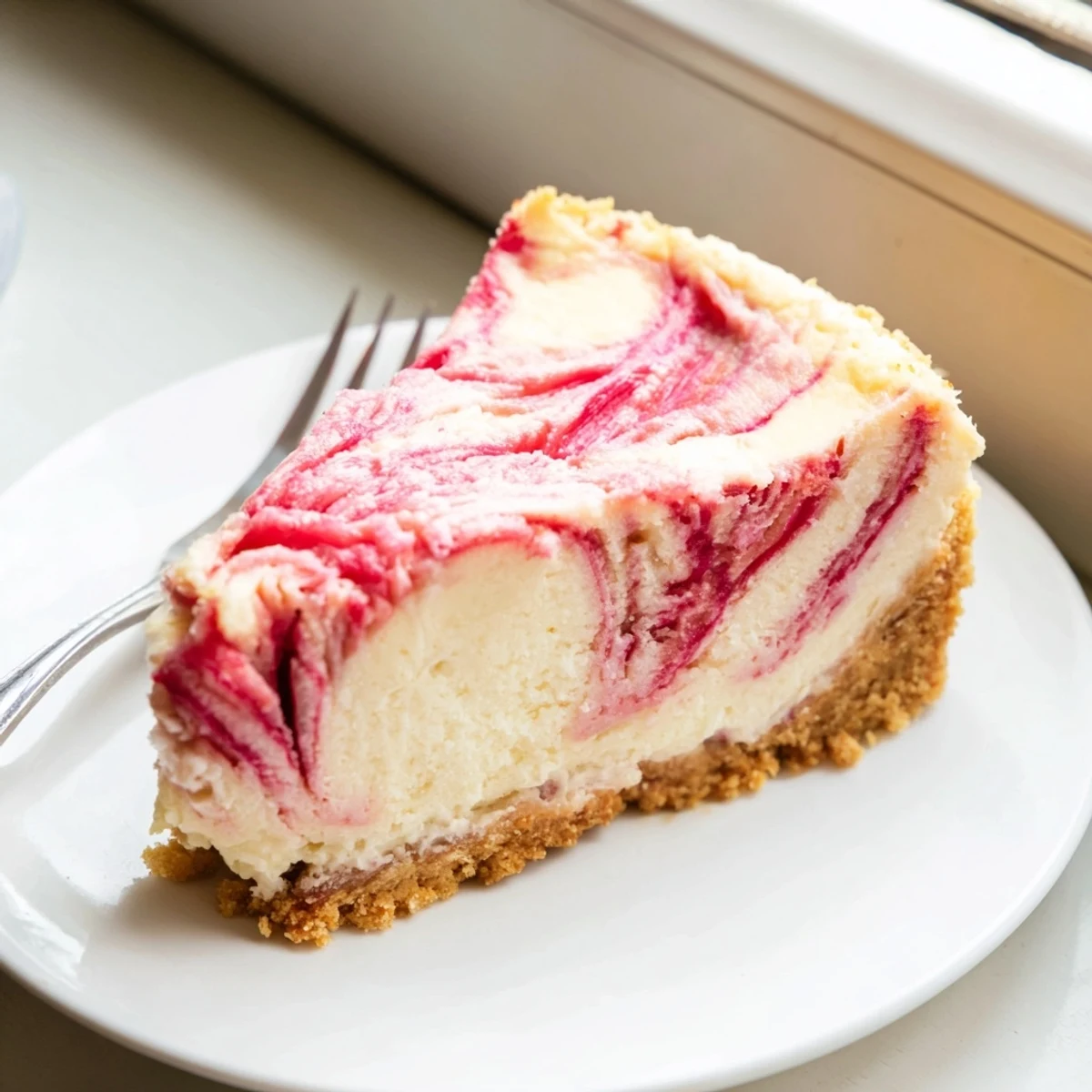
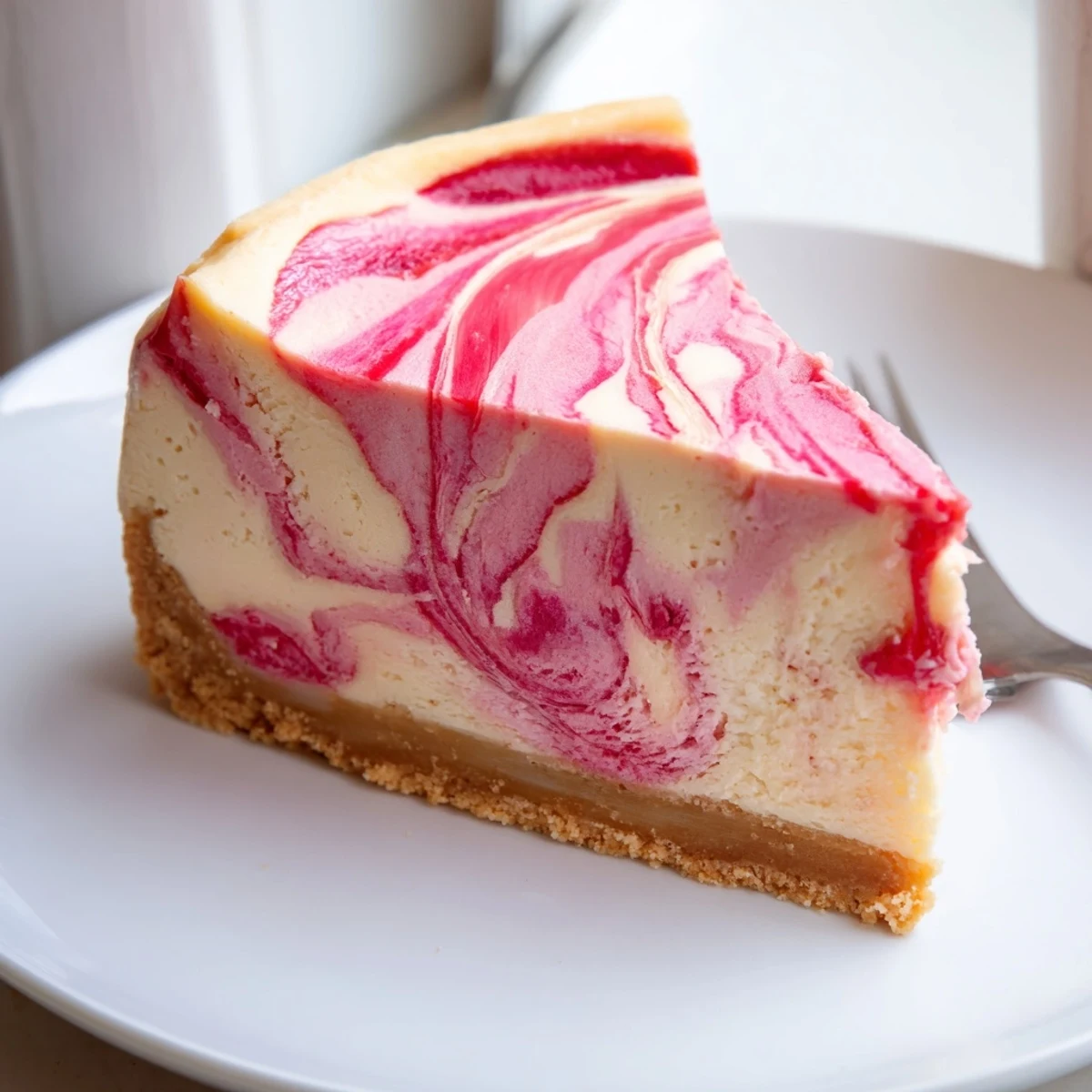
 This keto rhubarb cheesecake combines a buttery almond flour crust with a rich cream cheese filling and a tangy rhubarb compote swirl. At just 5g of carbohydrates per serving, it fits perfectly into a low-carb or gluten-free lifestyle without sacrificing flavor or texture.
The rhubarb compote is cooked down with erythritol and lemon juice until jammy, then gently swirled into the batter for a beautiful marbled effect. After baking low and slow at 325°F, the cheesecake rests in a cooling oven before chilling for at least two hours to achieve that classic silky, sliceable consistency.
Each serving delivers 270 calories with 24g of fat and only 3g net carbs, making it an ideal make-ahead dessert for gatherings or weekly meal prep.
My neighbor Linda dropped off a paper bag full of rhubarb from her garden one June morning, and I stood in my kitchen wondering what on earth to do with it all. The pink stalks looked almost too pretty to cook, but my keto meal plan left me with few dessert options, so a cheesecake felt like the right gamble. Three hours later, I was cutting into the creamiest, most vibrantly swirled cheesecake I had ever made in my life.
I brought this cheesecake to a backyard potluck and watched people go back for seconds before the hostess even cut into her own store bought pie. My friend Dave, who openly mocks keto anything, ate a corner piece standing up and then asked me to wrap him a slice for the road. That plate came back licked clean, and he still texts me every spring asking if the rhubarb is ready yet.
Ingredients
- Almond flour (1 1/2 cups): This forms a nutty, buttery crust that holds together beautifully when pressed firmly and baked until golden.
- Powdered erythritol (1 1/4 cups total, divided): Powdered dissolves seamlessly into both the crust and filling, avoiding any gritty texture that granular sweeteners can leave behind.
- Unsalted butter, melted (1/4 cup): Binds the crust together and adds richness, so make sure it is fully melted but not hot when mixing.
- Ground cinnamon (1/2 tsp): A quiet warmth in the crust that most people cannot identify but everyone notices is missing if you skip it.
- Fresh rhubarb, chopped (1 1/2 cups): The star of the compote, breaking down into a jammy, tart swirl that cuts straight through the richness of the cheese.
- Lemon juice (1 tsp): Brightens the compote and helps the rhubarb break down without turning mushy and dull.
- Cream cheese, softened (24 oz): Use full fat and let it sit out until it is truly soft, because cold lumps will haunt your filling no matter how long you beat it.
- Sour cream (1/2 cup): Adds a slight tang and keeps the texture silky rather than dense.
- Three large eggs: Added one at a time and mixed gently, because overbeating eggs is the fastest path to a puffy cracked cheesecake.
- Vanilla extract (1 tsp): Rounds out the lemon and rhubarb with a mellow sweetness that ties everything together.
- Lemon zest (from 1 lemon): Freshly grated right before mixing, it perfumes the entire filling with a brightness you cannot get from bottled juice alone.
- Salt (pinch): Just enough to sharpen the sweetness in the crust and make every other flavor pop.
Instructions
- Prep your pan:
- Heat your oven to 325 degrees and line the bottom of a 9 inch springform pan with parchment, pressing it flat so your crust bakes evenly without sticking.
- Build the crust:
- Stir almond flour, erythritol, cinnamon, salt, and melted butter together until the mixture looks like damp sand, then press it firmly and evenly across the base of the pan. Bake for 10 minutes until fragrant and lightly golden, then set it aside to cool while you work on the compote.
- Simmer the rhubarb compote:
- Toss chopped rhubarb, erythritol, lemon juice, and a splash of water into a small saucepan over medium heat, stirring gently until the stalks collapse into a thick, jewel toned jam, about 8 minutes.
- Make the filling:
- Beat softened cream cheese and erythritol in a large bowl until completely smooth with zero lumps, then blend in sour cream followed by each egg one at a time, finishing with vanilla and lemon zest.
- Swirl and bake:
- Pour the filling over the cooled crust, then drop small spoonfuls of compote across the surface and drag a knife through them in gentle figure eights. Tap the pan firmly on the counter a few times to knock out air pockets, then bake for 45 to 50 minutes until the edges are set but the center still has a slight wobble.
- Cool slowly and chill:
- Turn off the oven, crack the door open, and let the cheesecake rest inside for a full hour so it settles gently without cracking, then transfer it to the fridge for at least 2 hours before slicing.
 Save to Pinterest
 There is something deeply satisfying about pulling a springform pan from the fridge and seeing that perfect rhubarb ribbon frozen in place through silky white cheesecake. It feels less like meal prep and more like a small edible sculpture you get to share with people you love.
Choosing and Prepping Rhubarb
Fresh rhubarb is available in late spring through early summer and the thinner, redder stalks tend to be sweeter and more tender than the thick green ones. If fresh is unavailable, frozen rhubarb works well but should be thawed and gently squeezed of excess liquid before simmering so the compote does not turn watery. Trim every leaf completely because rhubarb leaves are toxic and should never go anywhere near your cooking.
Sweetener Options and Swaps
Erythritol is my go to because it dissolves cleanly and has minimal aftertaste, but monk fruit blends and stevia based powders also work if those are what you keep on hand. Avoid liquid stevia in the crust because it will not distribute evenly through the dry almond flour, leading to bitter spots. Granular sweeteners can be pulsed in a blender or food processor to create a powdered texture that blends seamlessly into the filling.
Serving and Storage Tips
This cheesecake tastes best on the second day when the flavors have fully married and the rhubarb swirl has settled into every bite. A sharp knife dipped in hot water and wiped clean between cuts gives you restaurant quality slices with neat edges.
- Store leftover cheesecake covered in the refrigerator for up to five days without losing texture.
- Individual slices freeze beautifully when wrapped tightly in plastic and thaw overnight in the fridge.
- Always serve chilled, because a warm keto cheesecake will weep and soften into a sad puddle on the plate.
 Save to Pinterest
 Every spring when rhubarb shows up at the farmers market, this cheesecake is the first thing I make to celebrate the season. It is proof that eating low carb never has to mean missing out on dessert.
Frequently Asked Questions
- → Can I use frozen rhubarb instead of fresh?
-
Yes, frozen rhubarb works well. Thaw it first and drain any excess liquid before cooking the compote. This prevents the filling from becoming too watery and ensures the swirl sets properly during baking.
- → Why does the cheesecake need to cool in the oven?
-
Letting the cheesecake cool gradually inside the turned-off oven with the door cracked prevents sudden temperature changes that cause cracks on the surface. This slow cooling method helps maintain a smooth, creamy top.
- → What can I substitute for erythritol?
-
Monk fruit sweetener or stevia blends designed for baking are great alternatives. Use a 1:1 erythritol replacement blend for best results, and always taste the compote before adding to adjust sweetness to your preference.
- → How long does this cheesecake last in the fridge?
-
Stored in an airtight container or tightly wrapped, the cheesecake stays fresh for up to 5 days in the refrigerator. The flavors actually improve after the first day as the rhubarb swirl melds with the cream cheese filling.
- → Can I freeze leftover cheesecake?
-
Absolutely. Wrap individual slices tightly in plastic wrap, then place in a freezer-safe bag. Frozen slices keep well for up to 2 months. Thaw overnight in the refrigerator before serving for the best texture.
- → Do I need a water bath for baking?
-
A water bath is not strictly required for this cheesecake, but it helps ensure even baking and a creamier texture. If using one, wrap the springform pan tightly in foil to prevent water from seeping into the crust.