
 Save to Pinterest
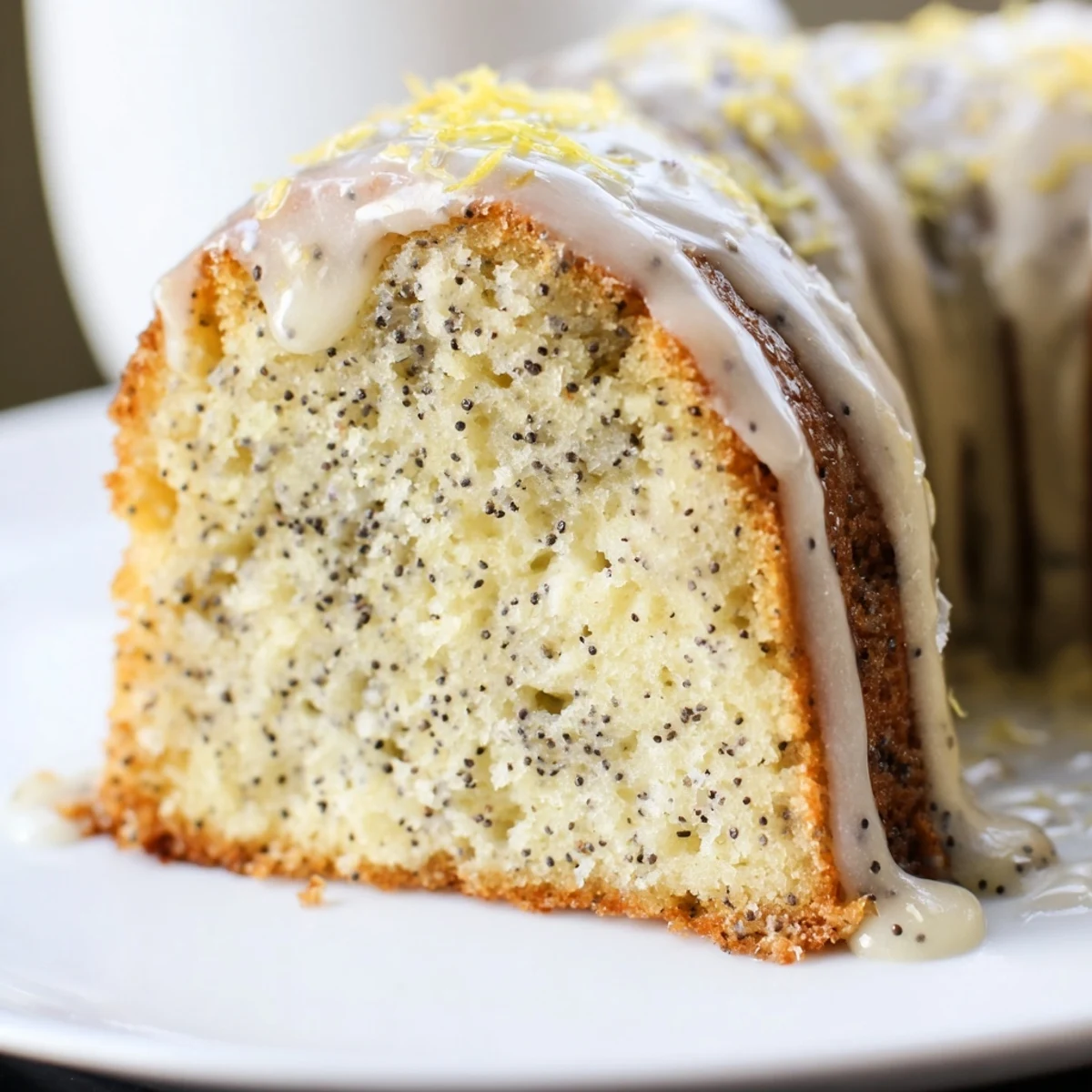
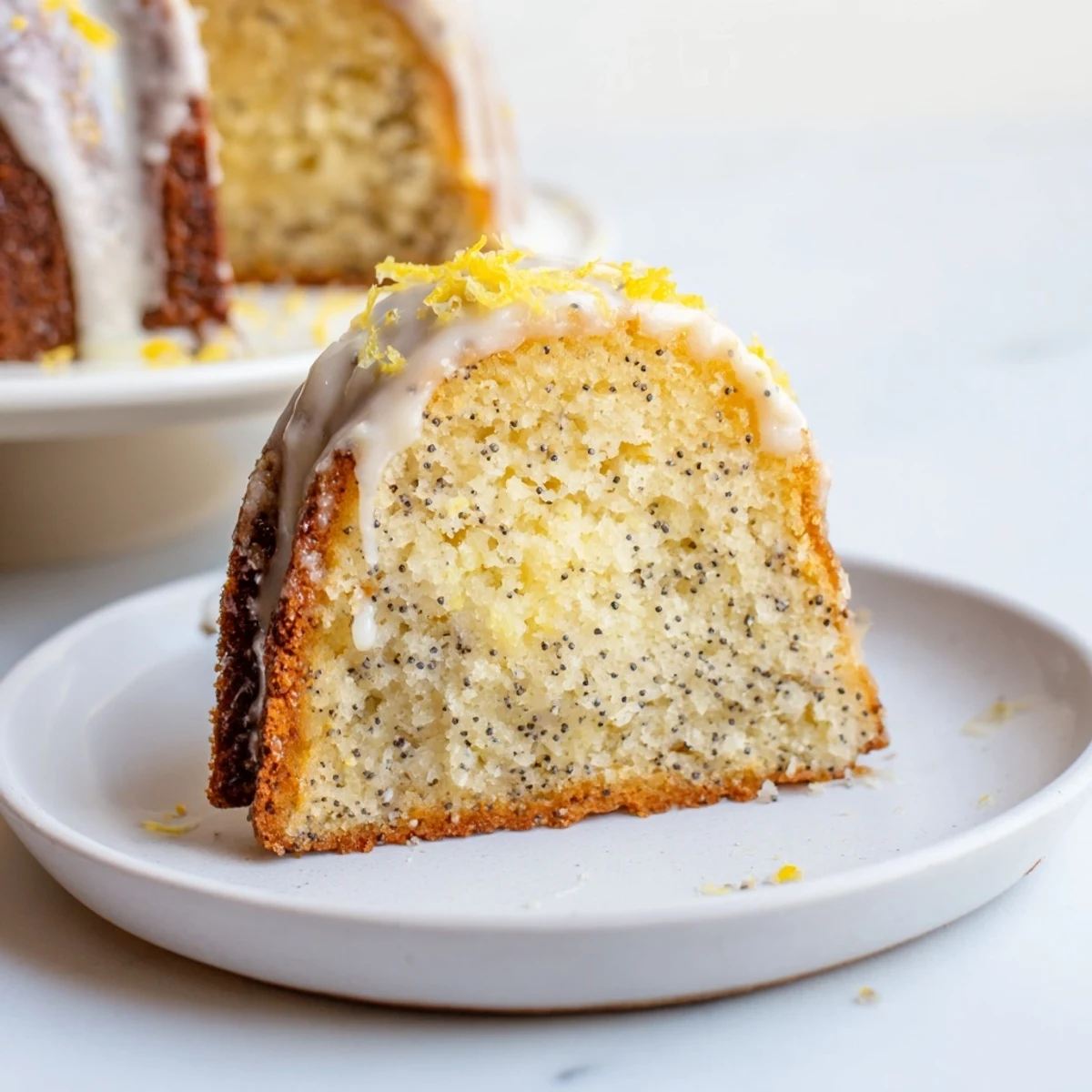
 This bundt is a delightful blend of zesty lemon and crunchy poppy seeds, creating a moist texture that is perfectly complemented by a smooth lemon glaze. The batter combines fresh lemon juice and zest with a balanced mix of flour, baking agents, and butter, resulting in a tender crumb. Baking until golden and cooled thoroughly before glazing ensures an even finish. It’s excellent for brunch or as a light dessert, with optional almond extract to enhance flavors. Store wrapped at room temperature for best freshness.
The kitchen still smelled like summer even though it was mid-November, thanks to the five pounds of lemons my neighbor had dropped off from her tree down in Texas. I'd already made lemon bars and a batch of curd that disappeared faster than I care to admit, but something about a bundt cake felt right for the gray afternoon stretching outside my window. My grandmother used to say that a well-made cake could fix almost anything, and watching the batter ribbon through the mixer, I found myself hoping she was right about that too.
I brought this cake to a book club meeting last spring, right when we were all reading something about grief and renewal, and there's something about a lemon cake that feels like both. One of my friends took a bite and went completely quiet for a moment, then said it reminded her of the tea cakes her mother made when school let out for summer. That's the thing about recipes like this one, they end up being about more than just ingredients and timing, they become a way to hand someone a memory without saying a word.
Ingredients
- 3 cups all-purpose flour: Sift it first if you can, it makes such a difference in how the cake rises and feels in your mouth
- 2 ½ teaspoons baking powder: This gives the cake its lift, so check the expiration date before you start
- ½ teaspoon baking soda: Works with the acidic lemon juice to create that tender crumb we're after
- ½ teaspoon salt: Just enough to make the lemon flavors pop without tasting salty
- 3 tablespoons poppy seeds: These little seeds add such a pleasant crunch throughout the cake
- 1 cup unsalted butter, softened: Let it sit on the counter for a full hour, it needs to be properly soft to cream correctly
- 2 cups granulated sugar: Cream this thoroughly with the butter, those air pockets are what make the cake light
- Zest of 2 lemons: Use a microplane if you have one, it gets the zest without the bitter white pith
- 4 large eggs, room temperature: Cold eggs can seize up the buttered mixture, so let them sit out first
- 1 teaspoon vanilla extract: Pure vanilla is worth the extra cost here, it rounds out all the citrus
- 1 cup whole milk: The richness matters, though I've used 2% in a pinch without disaster
- ¼ cup fresh lemon juice: About two good-sized lemons should get you there, roll them first to release more juice
- 1 ½ cups powdered sugar: Sift this for the glaze or you'll spend forever fishing out lumps
- 2–3 tablespoons fresh lemon juice: Start with two and add more until you get that perfect thick pourable consistency
- 1 teaspoon lemon zest: Sprinkle this over the wet glaze for that finished bakery look
Instructions
- Get your oven ready:
- Preheat to 350°F and grease that bundt pan like your life depends on it, getting into every crevice with butter and flour
- Mix your dry ingredients:
- Whisk the flour, baking powder, baking soda, salt, and poppy seeds in a medium bowl so everything's evenly distributed
- Cream the butter and sugar:
- Beat the butter, sugar, and lemon zest for a full three minutes until it's pale and fluffy, this creates the tender texture
- Add the eggs:
- Drop them in one at a time, letting each one fully incorporate before adding the next, then mix in the vanilla
- Combine milk and lemon juice:
- Mix these in a measuring cup and let it sit for a minute, the milk will thicken slightly which is exactly what you want
- Bring it all together:
- Alternate adding the flour and milk mixtures on low speed, starting and ending with the flour, and stop the moment everything's combined
- Bake until done:
- Pour the batter into your prepared pan, smooth the top, and bake for 45 to 55 minutes until a toothpick comes out clean
- Cool completely:
- Let it rest in the pan for 15 minutes before turning it out onto a wire rack, patience here prevents sad broken cakes
- Make the icing:
- Whisk the powdered sugar with lemon juice until it's thick enough to coat a spoon but still pours easily
- Finish it off:
- Drizzle that glaze all over the cooled cake and sprinkle with fresh zest, then let it set before slicing
 Save to Pinterest
 My daughter helped me make this for her birthday last year, standing on a chair and carefully measuring the poppy seeds into a little bowl. When we turned the cake out and it came away from the pan in one perfect ring, she looked at me with such serious pride, like we'd accomplished something monumental together. Sometimes the best part of baking isn't the eating but the making beside someone who's learning to love it too.
Serving Suggestions
This cake wants to be served with something that lets its flavors shine. A dollop of crème fraîche or lightly sweetened whipped cream turns each slice into something that feels special enough for company but casual enough for a Tuesday morning coffee break. Fresh berries scattered around the plate make it look like you tried harder than you actually did, which is my favorite kind of hosting.
Storage Secrets
I've learned that bundt cakes are surprisingly forgiving when it comes to storage, mostly because that hole in the center helps air circulate and keeps the texture from getting sad. Wrap it tightly in plastic wrap once it's completely cooled and it'll sit happily on your counter for three days, assuming your family doesn't demolish it first. The glaze will soften slightly over time but honestly, I think that makes it even better.
Make It Your Own
After making this recipe more times than I can count, I've found that small tweaks can make it feel like yours without breaking the chemistry. Sometimes I'll add a tablespoon of poppy seeds to the glaze too, just for that extra crunch, or swap the vanilla for almond extract which gives it this subtle marzipan quality people can never quite put their finger on. These little changes are how recipes become traditions.
- Try adding ½ teaspoon of almond extract to the batter if you want that bakery style depth
- Brush the warm cake with simple syrup before glazing if you like things extra moist
- A pinch of lemon zest in the sugar while you cream it creates this incredibly fragrant base
 Save to Pinterest
 There's something deeply satisfying about a bundt cake, the way it looks impressive before you even cut into it, how the slices fan out so prettily on a plate. This one's become my go-to for everything from birthdays to I just had a hard day and need cake, and I hope it finds a place in your rotation too.
Frequently Asked Questions
- → How do I prevent the bundt cake from sticking to the pan?
-
Thoroughly grease and flour the bundt pan before adding batter to ensure easy release after baking.
- → Can I replace poppy seeds with another ingredient?
-
Chia seeds or finely chopped nuts can be substitutes, offering a different texture but maintaining crunch.
- → What’s the best way to achieve a tender crumb in this cake?
-
Mix the dry and wet ingredients carefully without overmixing to keep the crumb light and moist.
- → How long should the cake cool before applying the lemon glaze?
-
Allow the cake to cool completely on a wire rack to prevent the glaze from melting or running off.
- → Is there a way to intensify the lemon flavor?
-
Adding extra zest or a splash of lemon extract alongside fresh juice can elevate the citrus notes.