
 Save to Pinterest
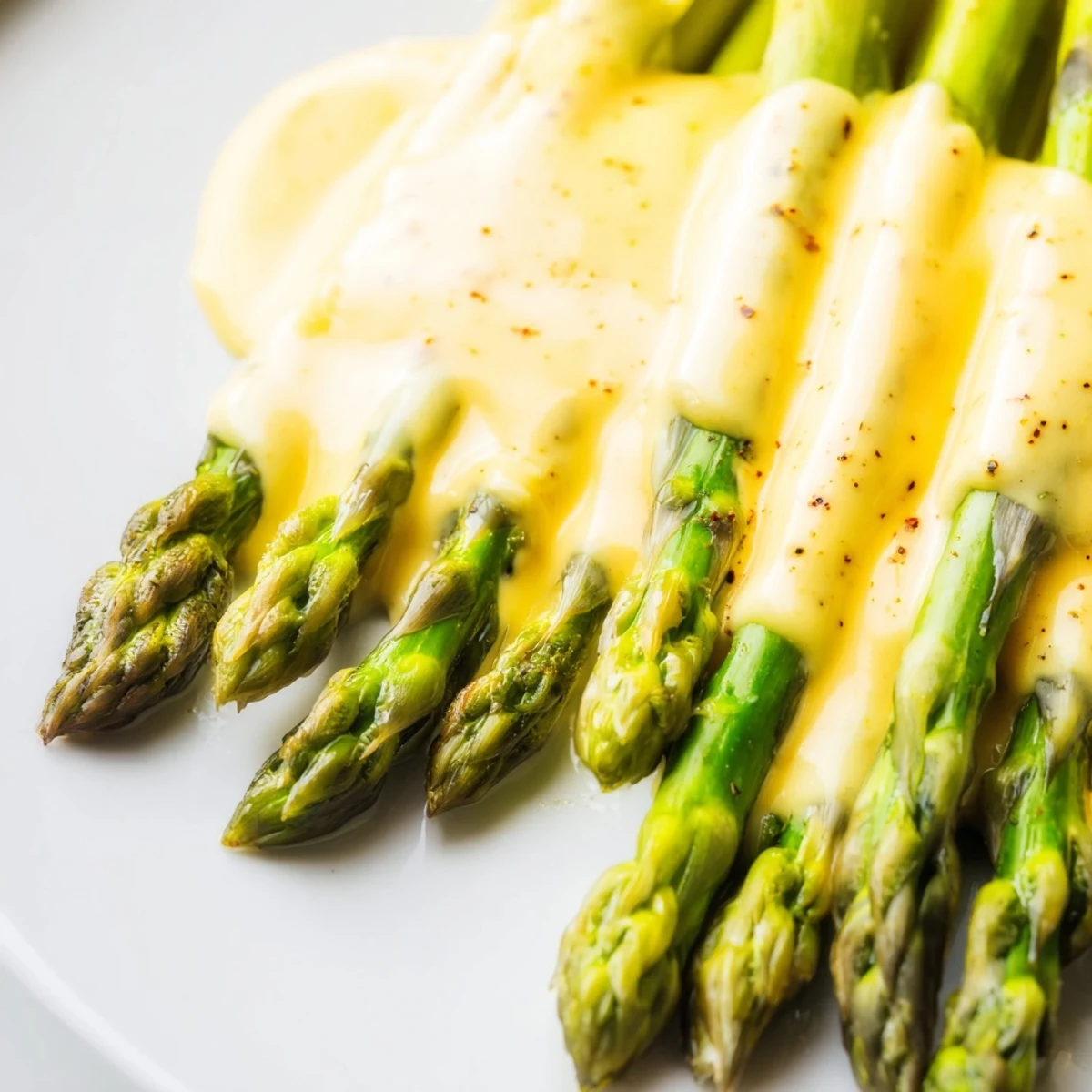
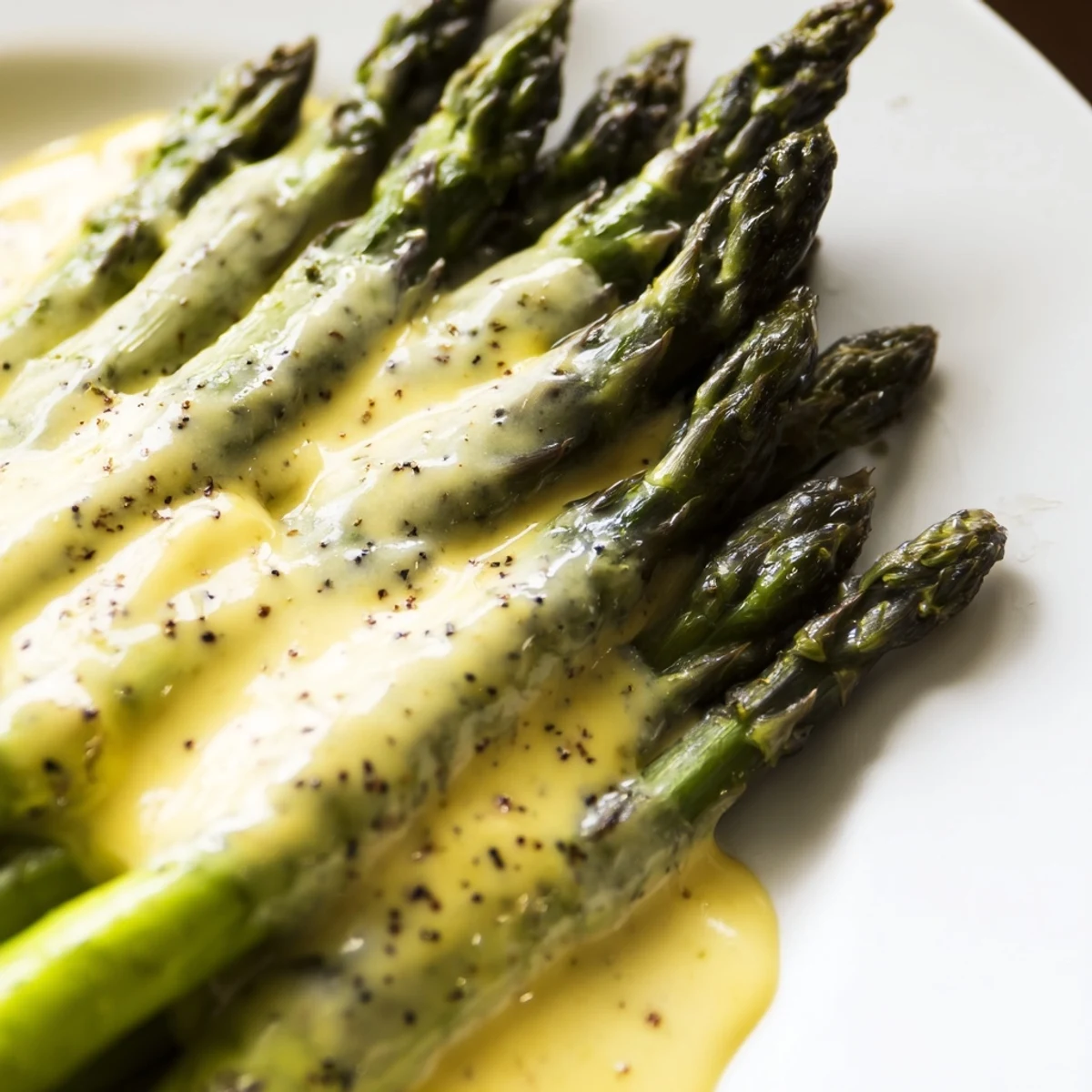
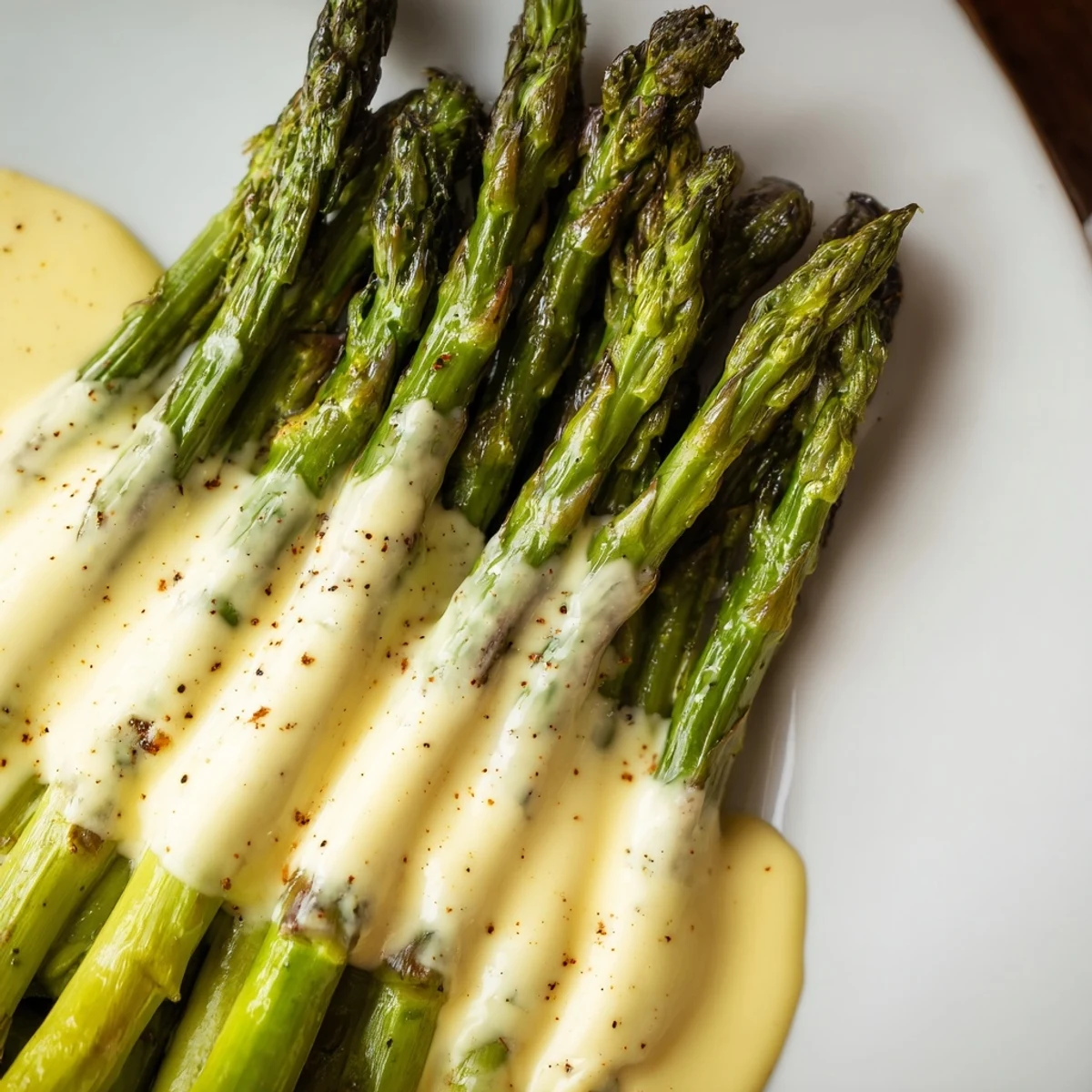
 This dish features fresh asparagus spears roasted until tender and lightly browned, then generously topped with a luxurious hollandaise sauce made from egg yolks, lemon juice, melted butter, and subtle seasonings. The roasting enhances the asparagus's natural sweetness, while the smooth, tangy sauce adds a rich complement. Best served immediately, it pairs beautifully with spring meals or special occasions. The preparation involves simple steps including oiling, seasoning, and roasting the asparagus, and creating the sauce using a double boiler technique for a silky finish.
There's something about spring that makes me crave asparagus, and one Easter dinner, I decided to finally master Hollandaise after watching my aunt make it look effortless for years. The first time my emulsion broke, I nearly threw it out, but she caught me and showed me the trick of whisking in ice water instead. Now, every time I make this dish, I think of her calm hands and the way she never rushed the process.
I made this for a dinner party once and nervously timed the sauce to finish exactly when the asparagus came out, sweating the whole time about whether it would break. My friend came into the kitchen, saw me whisking frantically, and just laughed and said it smelled like springtime. That's when I realized this dish was doing exactly what it was supposed to—making everyone feel special.
Ingredients
- Fresh asparagus (1 lb): Look for spears that are firm and bright green, with tight tips; thinner ones cook more evenly than thick, woody ones.
- Olive oil (2 tbsp): Good quality matters here since it gets tasted directly; don't waste extra virgin, but don't use the cheapest either.
- Kosher salt and freshly ground black pepper: The salt helps draw out the asparagus's natural sweetness, and fresh pepper adds a little bite.
- Egg yolks (3 large): Room temperature eggs whisk smoother and create a silkier sauce; cold eggs can be stubborn.
- Fresh lemon juice (1 tbsp): This is the safety net that keeps the sauce bright and prevents heaviness from coating your mouth.
- Unsalted butter (1/2 cup, melted and warm): Warm butter incorporates without shocking the eggs, and unsalted lets you control the salt level yourself.
- Dijon mustard and cayenne pepper: Optional but worth trying; mustard adds a subtle complexity and cayenne brings warmth without heat.
Instructions
- Heat your oven and prep:
- Set the oven to 425°F and line your baking sheet with parchment paper so the asparagus releases without sticking and browns evenly on the bottom.
- Dress and arrange the asparagus:
- Spread the trimmed spears in one layer, drizzle with olive oil, season with salt and pepper, and toss everything together until each spear glistens. If some spears are much thicker than others, separate them slightly so they roast at the same pace.
- Roast until golden:
- Pop them in for 12 to 15 minutes, shaking the pan halfway through so they brown evenly rather than scorch in one spot. You'll know they're ready when the tips look a little charred and the stems bend slightly when nudged.
- Set up your double boiler:
- Fill a saucepan with an inch or two of water and bring it to a bare simmer (not rolling, just steaming gently). Place a heatproof bowl on top so it sits snugly without touching the water.
- Whisk egg yolks and lemon juice:
- Pour the egg yolks into the bowl and add the lemon juice, then whisk constantly for a few minutes until the mixture turns pale and slightly foamy. You're creating tiny air bubbles that will hold the sauce together.
- Gradually add the butter:
- Start whisking in the warm melted butter very slowly, almost drizzle by drizzle at first, whisking the whole time so the emulsion stays smooth and thick instead of separating. Once you've added about half, you can add the rest a bit faster.
- Season and finish:
- Stir in the Dijon mustard if you're using it, add the cayenne, taste and adjust salt, then remove from heat immediately so the residual heat doesn't scramble the eggs.
- Plate and serve:
- Arrange the roasted asparagus on a warm platter, spoon the Hollandaise generously over the top, and serve right away so the sauce stays silky and the asparagus stays warm.
 Save to Pinterest
 I remember standing at the table watching someone take their first bite, the way the sauce pooled slightly and they closed their eyes for a moment before even chewing. That's when I understood that sometimes the simplest things—green vegetables, butter, egg—become something that lingers.
Why Hollandaise Feels Scary
Most of the fear around Hollandaise comes from recipes that make it sound like rocket science, but really it's just three things staying the right temperature and moving at the same speed. Once you make it once and it works, you realize you were probably being too cautious the whole time. The second time through, you feel like you've unlocked a secret.
The Art of Perfect Asparagus
Roasting is forgiving because you want the asparagus to have color and a little char—mistakes look intentional. The main thing is not to crowd the pan and not to skip the halfway shake, which is what actually makes them brown instead of steam. Some people are nervous about cooking vegetables too long, but asparagus wants heat to develop flavor.
Serving and Pairing
This dish is naturally elegant, so it doesn't need much beyond itself, though fresh chives or tarragon scattered on top add a whisper of flavor if you want to feel extra. It pairs beautifully with roasted chicken, grilled salmon, or even a simple egg at brunch. The key is serving everything hot so the sauce stays glossy and the asparagus stays tender.
- If you're making this ahead, roast the asparagus and hold it warm, then make the sauce right before plating so nothing gets cold or heavy.
- Keep a tiny bowl of warm water nearby in case the Hollandaise thickens; a teaspoon whisked in brings it back to silk without breaking it.
- If you have leftovers, the sauce can be gently rewarmed in a double boiler with a splash of water, though the asparagus is best fresh.
 Save to Pinterest
 This recipe became a staple in my kitchen because it proved to me that fancy food doesn't need to be complicated, just intentional. Make it once with care, and it becomes something you reach for whenever you want to turn an ordinary night into something a little more beautiful.
Frequently Asked Questions
- → How do I know when asparagus is perfectly roasted?
-
The asparagus should be tender yet slightly crisp, with light browning and a vibrant green color after roasting for 12–15 minutes at 425°F.
- → What is the best way to prepare hollandaise sauce without curdling?
-
Use a double boiler set-up and whisk egg yolks slowly while gradually adding melted butter to keep the sauce smooth and prevent curdling.
- → Can I add herbs to enhance flavor?
-
Yes, freshly chopped chives or tarragon can be sprinkled on top before serving for an aromatic lift.
- → How should leftover hollandaise sauce be stored?
-
Hollandaise is best used immediately but can be kept warm briefly. If it thickens, whisk in a teaspoon of warm water to loosen the texture.
- → What dishes pair well with roasted asparagus and hollandaise?
-
This combination complements roasted chicken, grilled salmon, or other protein-focused mains, enhancing spring and special occasion meals.