
 Save to Pinterest
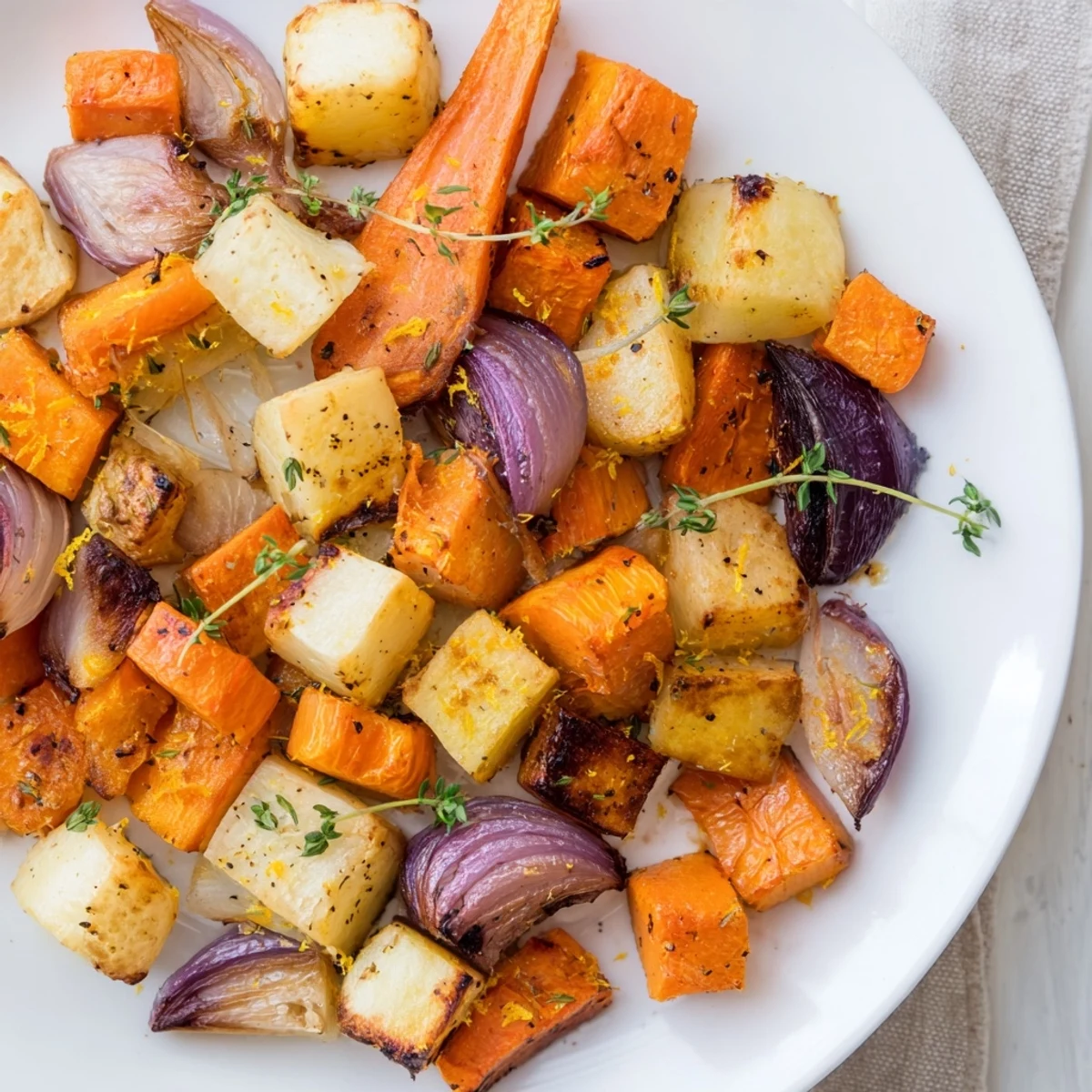
 This dish features a medley of root vegetables including carrots, parsnips, sweet potato, celeriac, and red onion, tossed with olive oil, sea salt, black pepper, fresh thyme, and minced garlic. Roasted to golden tenderness, the vegetables bring out rich, caramelized flavors enhanced by optional parsley and lemon zest garnish. Simple to prepare and naturally gluten-free and vegetarian, it's a versatile side that's both hearty and aromatic.
There's something deeply satisfying about roasting root vegetables on a crisp autumn evening, the whole kitchen warming with the smell of caramelizing carrots and thyme. I discovered this particular combination quite by accident one weekend when my farmer's market haul sat in the crisper drawer longer than intended, and I needed something filling but simple. The thyme came from a small pot on my windowsill that had been neglected all summer, suddenly fragrant again as the temperatures dropped. What started as a practical way to use up vegetables became the dish I now make whenever I want the kitchen to feel like home.
I made this for a small dinner party last winter and watched my skeptical neighbor—the one who claims vegetables are just vehicle for butter—ask for seconds and the recipe. She's been making it every week since, which still delights me far more than it probably should.
Ingredients
- Carrots: Their natural sweetness intensifies when roasted, creating those caramelized edges that make the whole dish sing.
- Parsnips: Often overlooked, they become creamy and nutty in high heat, adding depth beyond what carrots alone can offer.
- Sweet potato: This adds a subtle sweetness and slight earthiness that rounds out the more robust roots.
- Celeriac: If you can find it, this knobby root becomes tender and mild, almost potato-like, though it can be swapped for regular celery root or even more parsnip.
- Red onion: The layers separate and caramelize beautifully, turning jammy and slightly sweet.
- Olive oil: Use something you'd actually taste on its own, as it carries the flavor here—around three tablespoons coats everything evenly without making it greasy.
- Sea salt and black pepper: Generous seasoning early means flavors develop properly as things roast, not just sit on the surface.
- Fresh thyme: The whole point of this dish, really—its piney brightness against sweet vegetables feels almost like cooking with autumn itself.
- Garlic: Minced rather than sliced, so it distributes throughout instead of creating concentrated pockets of intensity.
- Parsley and lemon zest: These are optional but worthwhile, adding a bright counterpoint that keeps the richness from feeling heavy.
Instructions
- Heat your oven properly:
- Set it to 200°C (400°F) and let it preheat fully for at least ten minutes while you prep—a properly hot oven is what creates those caramelized edges instead of steamed vegetables. Line your baking sheet with parchment paper to prevent sticking and make cleanup almost effortless.
- Cut and toss everything together:
- Peel your roots, cut them into roughly inch-sized pieces (they don't need to be perfect—irregular sizes actually create more texture), then toss everything in a large bowl with oil, salt, pepper, fresh thyme, and minced garlic until each piece glistens. This is the moment to taste and adjust seasoning, since you won't get another chance.
- Spread in a single layer:
- Don't crowd the pan—if pieces overlap, they steam instead of roast, so spread them out with a little breathing room and sacrifice space for better results. Some pieces will hit the hot metal directly while others nestle on top, creating variety in texture, which is exactly what you want.
- Roast with one midway stir:
- Slide the sheet into your hot oven for 35 to 40 minutes, stirring everything once at the halfway point to ensure even browning. You'll know it's done when the vegetables are golden brown on the edges and a fork slides through the largest piece easily.
- Finish and serve:
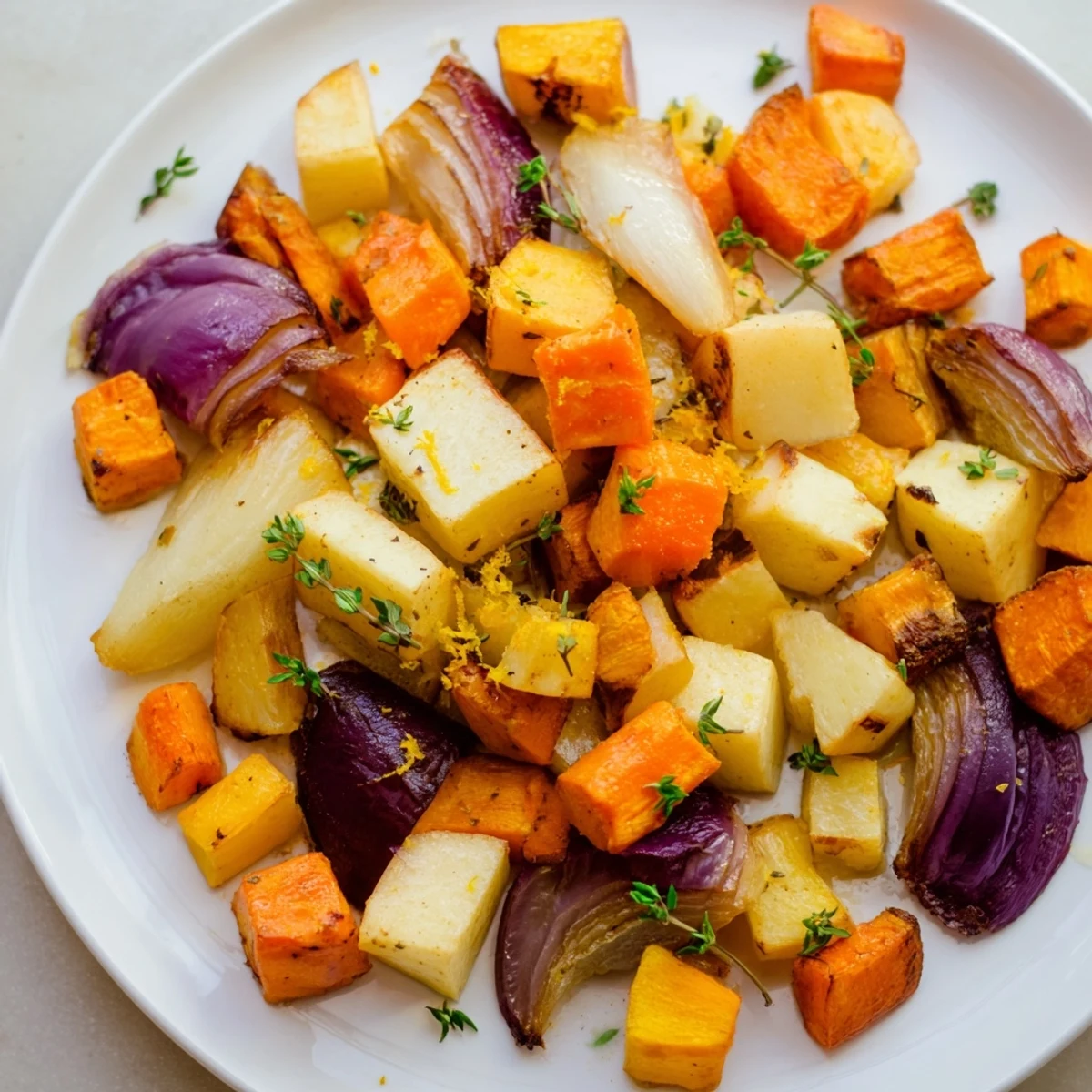
- Transfer everything to a serving platter, scatter with fresh parsley and lemon zest if you have them on hand, and serve while everything is still steaming and the thyme aroma is at its peak.
 Save to Pinterest
 What I love most about this dish is how it transforms the kitchen into something cozy without much fuss, and how people who think they don't like vegetables often end up eating more than they intended. It's the kind of food that makes people linger at the table, talking longer than they planned.
The Magic of High Heat Roasting
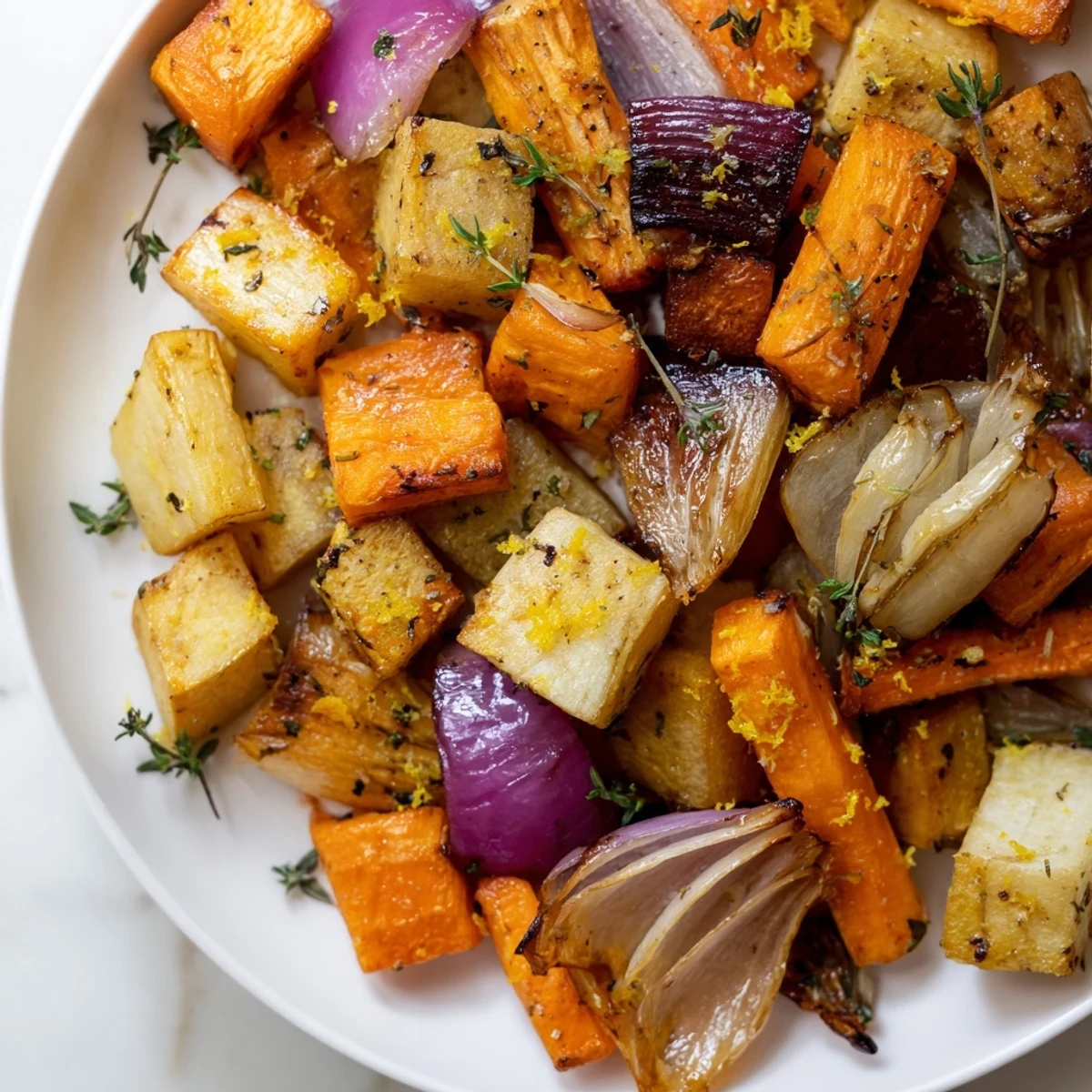
Roasting at a proper temperature—not timid, not scorching—is what separates this from steamed roots that happen to be in an oven. The heat forces the natural sugars to the surface and caramelize them, creating a slightly crispy exterior that contrasts with the tender inside. It's the difference between vegetables that taste like themselves improved and vegetables that taste like a completely different thing. Most home cooks underestimate their oven, so don't be shy with the heat.
Building Your Own Vegetable Combinations
This recipe works as a template more than a rigid formula, which is why it's become such a reliable weeknight friend. In summer, I've made it with young beets and turnips; in spring, I've added asparagus pieces scattered across the top in the final minutes. The principle stays the same—oil, heat, and herbs—but the vegetables shift with what's available and what I'm craving. Root vegetables are generally the safest foundation because they're forgiving and their sweetness pairs well with thyme, but you could easily add brussels sprouts, chunks of broccoli, or even cauliflower florets.
Making It a Complete Meal or Perfect Side
On its own, this makes a light but satisfying vegetarian dinner, especially if you serve it over something creamy like yogurt or alongside crusty bread to soak up the herby oil that pools at the bottom of the platter. I've also made it countless times as a side dish for roasted chicken or fish, where it echoes the same cooking method and feels intentional rather than an afterthought. It holds well for a day or two in the refrigerator and reheats beautifully at a gentle temperature, making it smart for meal prep or feeding a crowd.
- Add a dollop of sour cream or labneh on the side for richness and tang.
- Toss finished vegetables with a bit of balsamic vinegar or sherry for extra depth.
- Scatter crumbled goat cheese or feta over the top just before serving for something more substantial.
 Save to Pinterest
 This dish has become my answer to almost any question about what to bring to a potluck or what to cook on a night when energy is low but comfort is needed. It's proof that sometimes the best recipes are the simplest ones, built on just heat, patience, and a handful of honest ingredients.
Frequently Asked Questions
- → What vegetables are used in this dish?
-
Carrots, parsnips, sweet potato, celeriac, and red onion are combined for roasting.
- → How is the thyme incorporated?
-
Fresh or dried thyme leaves are mixed with the vegetables before roasting to infuse flavor.
- → How long should the vegetables be roasted?
-
Roast for 35 to 40 minutes at 200°C (400°F), stirring once halfway through for even caramelization.
- → Can other root vegetables be used?
-
Yes, turnips, beets, or rutabaga can be swapped or added based on preference.
- → What garnishes enhance this dish?
-
Chopped fresh parsley and lemon zest add brightness and fresh notes when sprinkled on top.
- → Is this dish suitable for special diets?
-
It is naturally vegetarian and gluten-free, free from dairy, nuts, and eggs.