
 Save to Pinterest
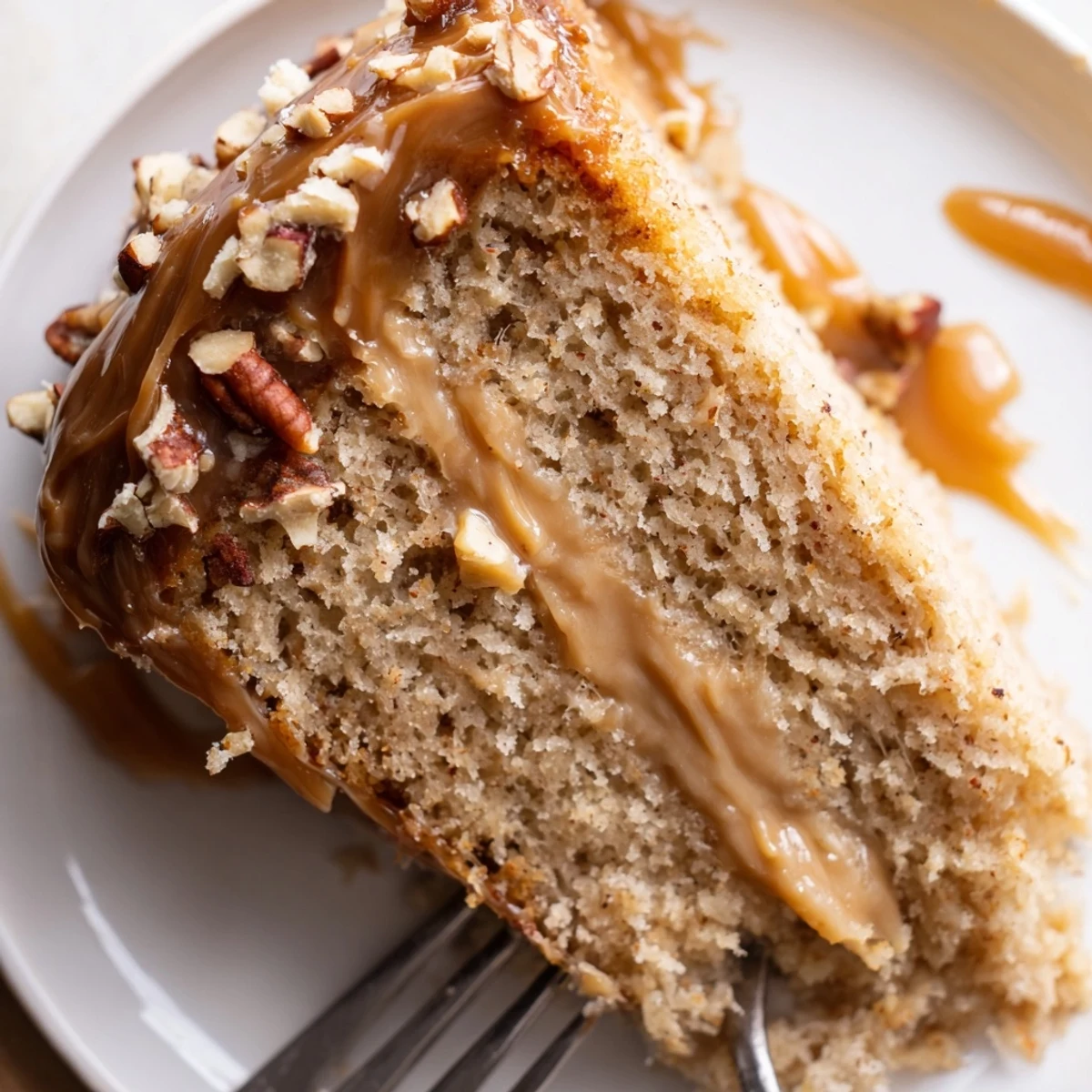
 This moist banana cake folds nutty browned butter into mashed ripe bananas for a deep, caramel-like flavor and tender crumb. Bake until a toothpick comes out clean, then cool before adding a homemade salted caramel—cooked to amber, finished with cream and flaky sea salt. Optionally whip a caramel frosting and top with toasted nuts for texture and extra richness.
A few winters ago, my kitchen was filled with the sweet, deep scent of caramel and bananas after a stormy afternoon made me crave something both cozy and bold. I’d just learned the magic that happens when you brown butter – a nutty, toasty perfume, transforming cakes into something extraordinary. This salted caramel brown butter banana cake was born from a happy accident: an overripe bunch of bananas sat on the counter next to a forgotten stick of butter already melting in its pan. The result was a cake that always feels a little bit like spoiling yourself.
Once, I whipped up this cake for a neighbor’s birthday picnic, and the entire table erupted in satisfied sighs as caramel pooled down each slice. Someone confessed they’d planned to pass on dessert until the buttery smell floated over and changed their mind. Sometimes, cake is the best way to start conversations and turn a gathering into a celebration, even among near-strangers. Suddenly, I was handing out napkins sticky with caramel and exchanging stories over crumb-laden plates.
Ingredients
- Unsalted butter: Don’t skip browning it – that toasty depth is this cake’s secret weapon and makes it smell irresistible from the oven.
- All-purpose flour: I learned to avoid overmixing here, or your cake loses its tender crumb.
- Baking soda and powder: Balanced leaveners keep the cake light yet sturdy enough for layers of caramel.
- Salt: Just enough to nudge all the flavors forward, plus a little extra in the topping for crunchy drama.
- Granulated and light brown sugar: The mix gives the cake a caramelized edge without being too sweet.
- Eggs: Letting them come to room temp makes the batter silkier – impatient me has learned this lesson more than once.
- Ripe mashed bananas: The spotty-black kind is best; the riper, the more flavor – and don’t worry if they look mushy.
- Pure vanilla extract: Rounds out all the other flavors; real vanilla always sings through.
- Sour cream: Adds moisture and tang, keeping the cake plush for days.
- Heavy cream: Essential for caramel that stays pourable and silky.
- Flaky sea salt: Nothing lifts caramel like a pinch of honest, crunchy salt on top.
- Powdered sugar: For those extra-smooth frosting swirls, it melts right in.
- Milk: A splash or two helps get the perfect frosting consistency – always adjust by feel, not just recipe.
Instructions
- Prep and line the pan:
- Set your oven to 350°F (175°C). Grease and line a 9-inch round cake pan with parchment, taking a moment to press the paper right to the edges – it makes for a much smoother release later.
- Brown the butter:
- In a small saucepan, melt the butter over medium heat, swirling gently as it bubbles and turns golden with specks; breathe in deeply for that nutty aroma. Let it cool until just warm – if it’s too hot, it’ll scramble the eggs.
- Mix dry ingredients:
- In a medium bowl, whisk together flour, baking soda, baking powder, and salt, relishing the small, satisfying clouds of flour as you whisk.
- Cream sugars with brown butter:
- Blend the cooled brown butter with both sugars in a large bowl until it looks a bit like sandy beach wet from rain. Beat in the eggs one at a time, then gently stir in mashed bananas and vanilla – the mixture will look lush and lushly fragrant.
- Combine and add sour cream:
- Fold the dry mix gently into the wet, scraping just until it comes together (streaks of batter are better than overmixing), then add sour cream and stir softly – the batter should feel heavy but pillowy.
- Bake the cake:
- Spread the mixture into your prepared pan, smooth the top, and bake for 40–45 minutes until a toothpick poked in the center comes out clean or with moist crumbs. Let the cake cool completely on a wire rack before you even think about frosting.
- Make salted caramel sauce:
- In a dry saucepan, gently heat the sugar, stirring and watching closely as it melts and turns deep amber – don’t walk away. Whisk in cubed butter (be ready for bubbling), then stream in heavy cream, stirring carefully, and lastly the sea salt; let it cool so it thickens just enough to mound on a spoon.
- Prepare caramel frosting (optional):
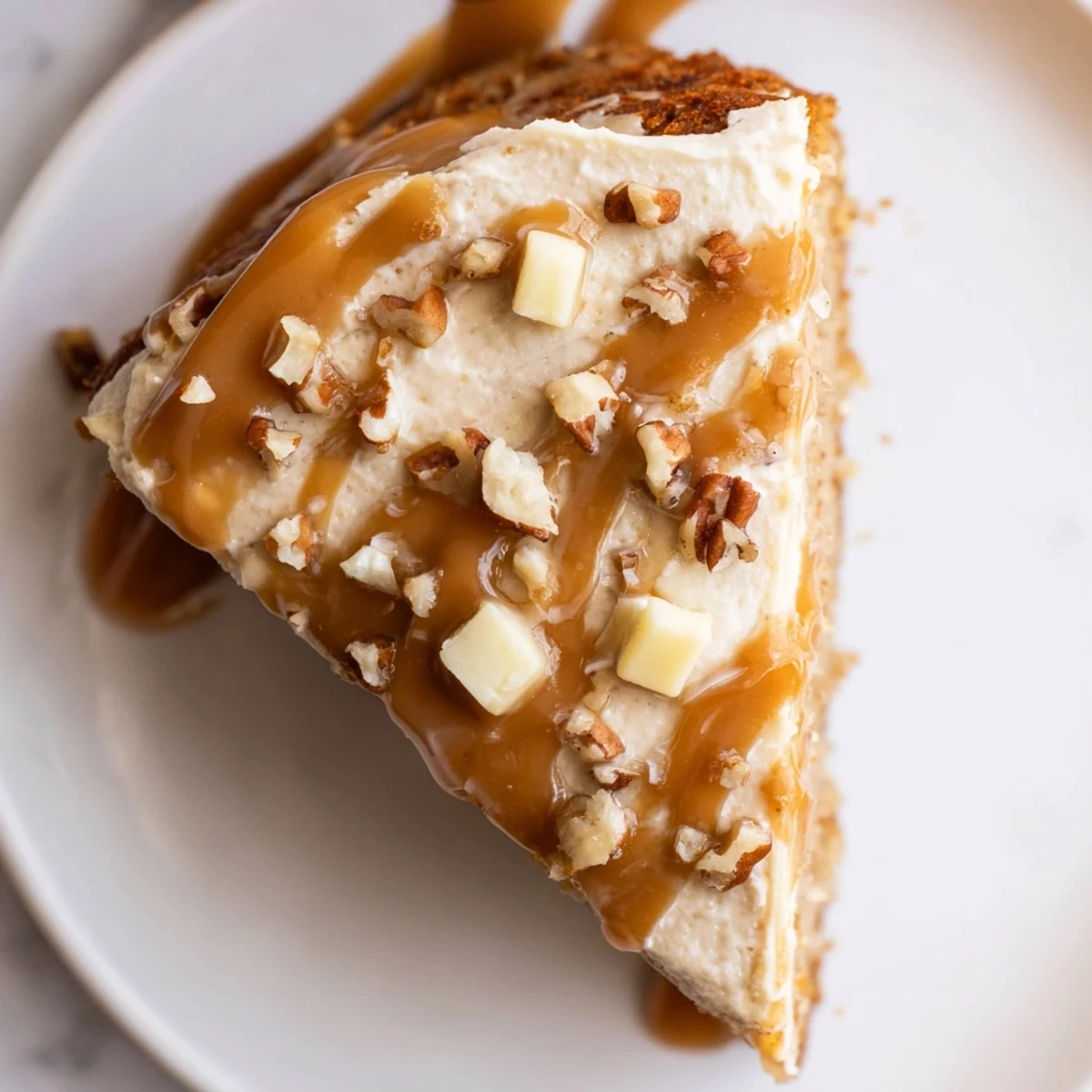
- Beat softened butter until it’s nearly white and fluffy. Gradually add powdered sugar and cooled caramel sauce, then thin with milk if needed until you have a frosting that swoops and holds.
- Assemble and serve:
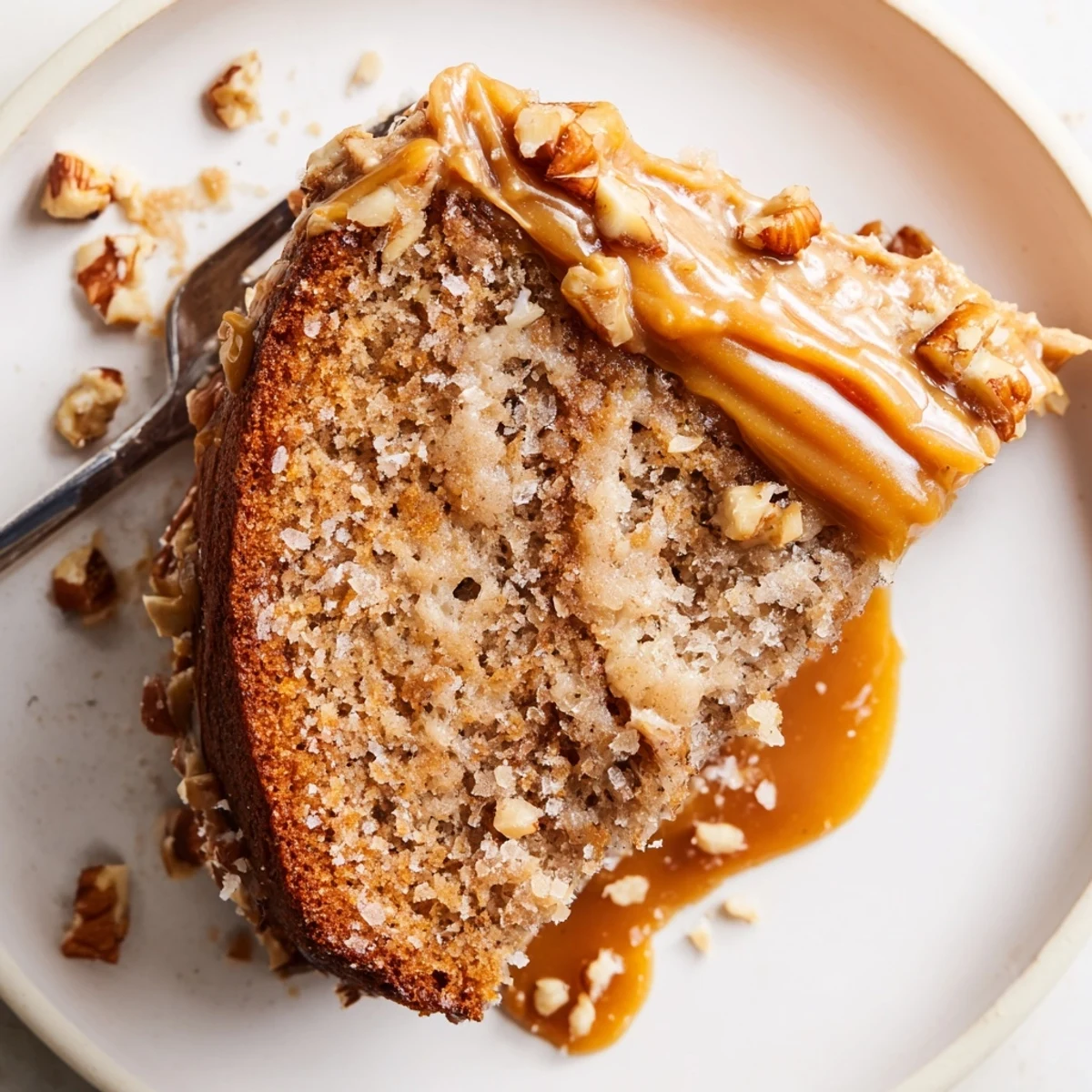
- Once the cake is completely cool, either slather with caramel frosting or drizzle with salted caramel sauce. Finish with a pinch of sea salt flakes and, if you like, a scatter of toasted nuts for crunch.
 Save to Pinterest
 Watching friends dive in for seconds – a little caramel on their chins, swiping plates clean with fingers – was the moment this cake went from a recipe to a tradition of joy in my home. Now, someone always asks for it by name, even just for Tuesday night comfort or a treat after a long week.
How to Tell When It’s Perfectly Baked
The top should spring back if you nudge it gently, and the kitchen will smell bright and almost buttery-sweet just before it’s ready. The cake’s edges should pull ever so slightly away from the pan; don’t wait for full golden brown or the crumb may dry out. Trusting your senses here always leads to a more tender result.
Caramel Troubleshooting (and Triumphs)
If your caramel seizes or crystals start to form, gently reheat and whisk until smooth again – don’t panic, it happens to everyone. The sauce thickens as it cools, so if it looks thin just off the stove, give it a little time. Pouring warm caramel over the cake creates shiny ribbons, but for a frosting feel, wait until it’s thick and creamy.
Little Twists that Make a Big Difference
Swapping in browned butter changed everything for me, and I also love dusting the top with just a bit more flaky salt for drama. Sometimes I even stir in toasted pecans or walnuts for surprise crunch, especially when serving a crowd.
- If your bananas aren’t ripe enough, roast them lightly in the oven to intensify their flavor.
- A quick chill in the fridge makes slicing the cake even easier (and neater for layering).
- Don’t forget to stash a slice aside for yourself, as this one goes fast once it hits the table.
 Save to Pinterest
 Salted caramel brown butter banana cake never feels like just dessert – it’s an invitation to linger, share, and indulge. I hope it brings warmth and a little sweetness to your next special day (or any ordinary one).
Frequently Asked Questions
- → How do I brown butter without burning it?
-
Use a light-colored saucepan over medium heat, stirring constantly. Watch for foam to subside and tiny brown flecks to form; remove from heat immediately and transfer to a cool bowl to stop cooking.
- → How can I tell when the cake is done?
-
Insert a toothpick into the center—if it comes out clean or with a few moist crumbs, the cake is done. The top should be golden and spring back slightly when pressed.
- → How thick should the caramel be for drizzling?
-
For drizzling, aim for a pourable but clingy caramel: cook until amber, add cream, then cool to room temperature so it coats a spoon and slowly runs off. Thicken longer for frosting, shorten for a thinner drizzle.
- → Can I substitute sour cream?
-
Yes. Full-fat Greek yogurt is a good substitute for similar tang and moisture. Use a 1:1 swap and avoid overmixing the batter to keep the crumb tender.
- → How should leftovers be stored?
-
Keep slices in an airtight container at room temperature for up to 3 days. If frosted with cream-based frosting, refrigerate and bring to room temperature before serving.
- → Any tips for adding crunch?
-
Toast chopped pecans or walnuts until fragrant and sprinkle on top just before serving to preserve crispness and add a contrasting texture to the soft crumb and sticky caramel.