
 Save to Pinterest
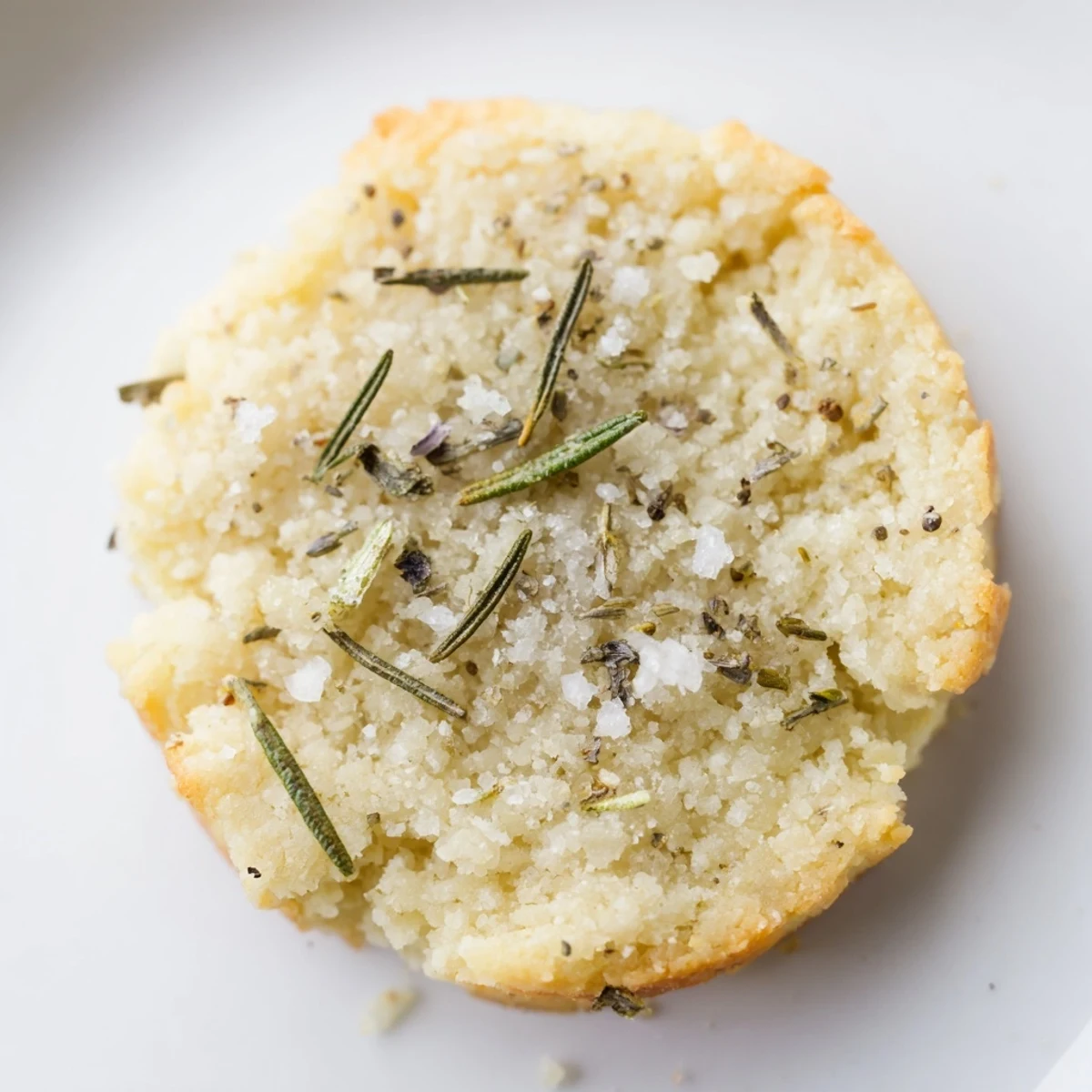
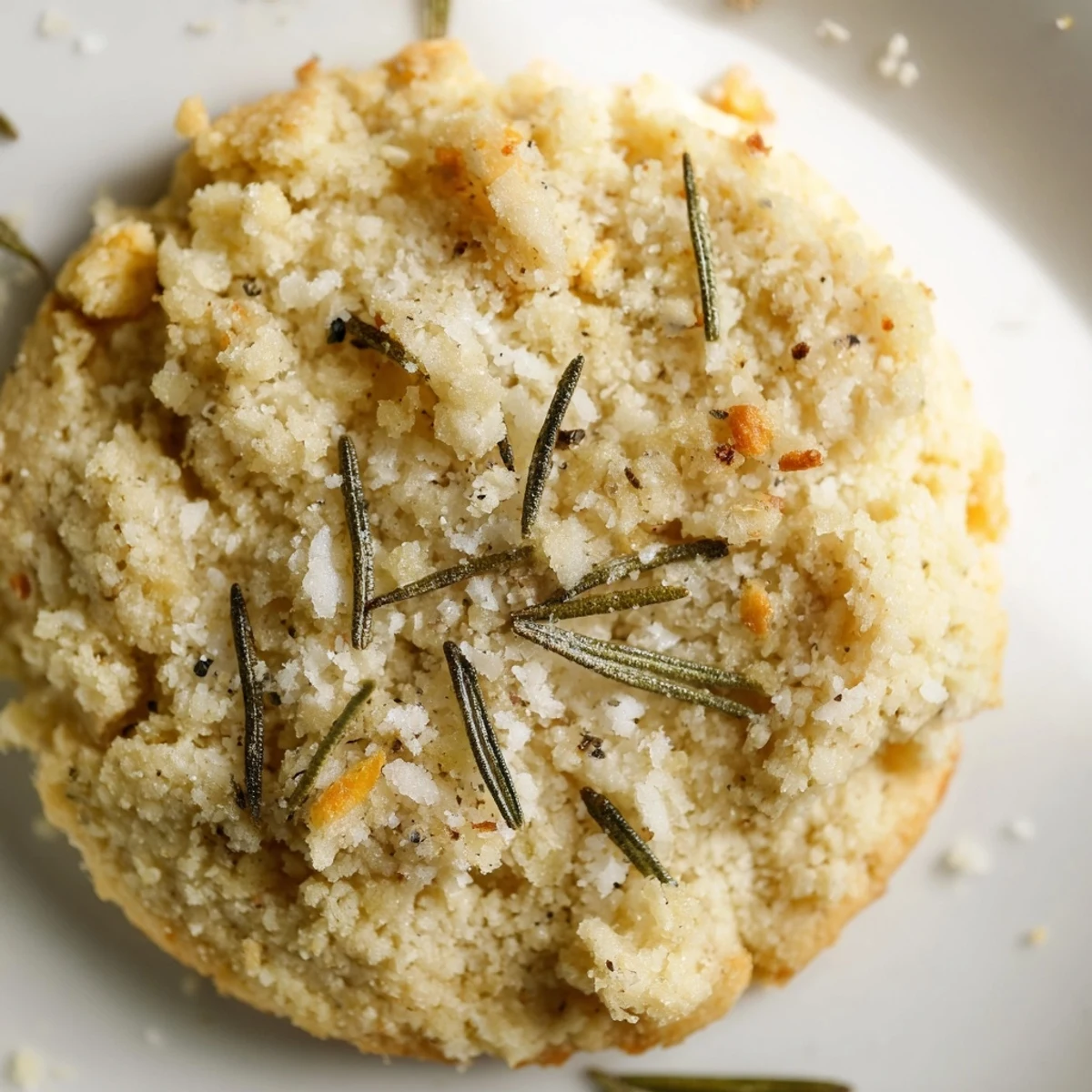
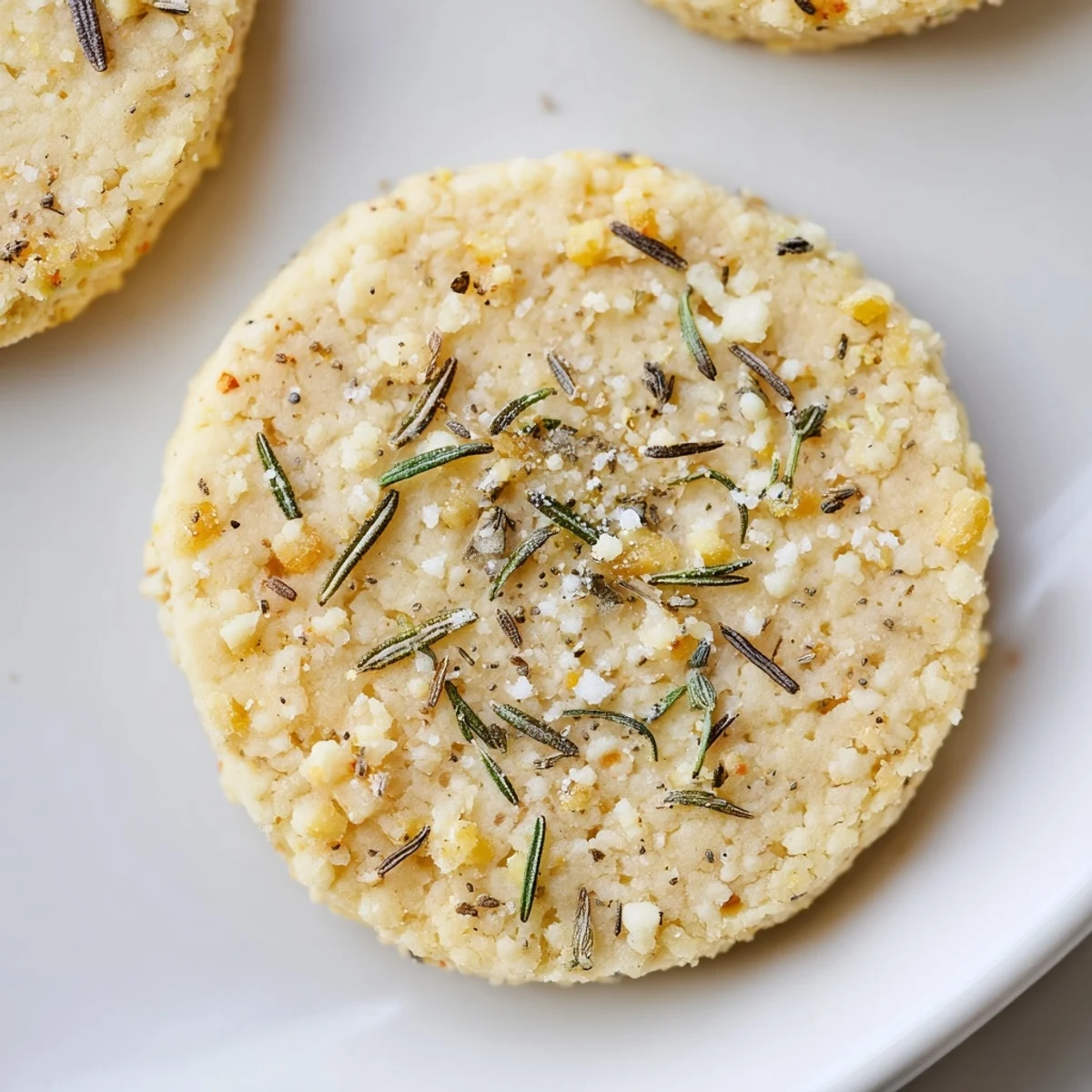
 This buttery, crumbly shortbread features grated Parmesan and garlic powder for a rich, savory flavor. Topped with flaky sea salt and optional fresh rosemary, it bakes to golden perfection. Ideal as an elegant snack or cheese board accompaniment, the dough is quick to prepare and yields about 20 pieces. Variations include adding smoked paprika or swapping herbs. Serve cooled with aged cheeses or charcuterie for a delightful bite.
My neighbor brought a tin of these to a dinner party, and I watched people gravitate toward them like nothing else on the table existed. The butter melted on the tongue, the Parmesan sang, and that unexpected salt hit made everyone pause mid-chew and ask what they were eating. I went home determined to figure out the magic, and after some kitchen tinkering, I realized shortbread didn't have to be sweet at all.
The first time I brought a batch to a potluck, someone actually set their wine glass down and said these were better than the store-bought crackers everyone had brought. That moment sealed it for me—shortbread wasn't just for dessert tables anymore. Now I find myself baking them whenever I need something that feels homemade but tastes sophisticated.
Ingredients
- Unsalted butter (1 cup/225 g), softened: This is where the magic starts—soft butter creams into the Parmesan and creates that tender, melt-in-your-mouth texture. Cold butter will fight you; let it sit on the counter for 20 minutes.
- All-purpose flour (2 cups/250 g): The structure, nothing fancy needed, but measure by weight if you can for consistency.
- Finely grated Parmesan cheese (1/2 cup/60 g): Fresh grated tastes sharper and more alive than pre-shredded, and it doesn't have the anti-caking agents.
- Garlic powder (1/2 teaspoon): A whisper of garlic that rounds out the savory profile without overpowering.
- Ground black pepper (1/4 teaspoon): Just enough to remind you this isn't bland.
- Flaky sea salt (1 tablespoon): The grand finale on top—it should sparkle visibly and taste like the ocean, so use the good stuff.
- Fresh rosemary (1 tablespoon, chopped, optional): It dries slightly as the shortbread bakes and becomes almost woody in the best way.
Instructions
- Preheat and prep:
- Set your oven to 350°F (175°C) and line a baking sheet with parchment paper so nothing sticks and cleanup is painless.
- Cream the butter and Parmesan:
- In a large bowl, beat the softened butter and grated Parmesan together until the mixture looks pale and fluffy, about 2–3 minutes. This is where you're building air into the dough, which makes it tender.
- Bring the dough together:
- Add the flour, garlic powder, and black pepper, then mix gently until the dough just comes together—don't overwork it or it becomes tough. It should look shaggy and inviting.
- Knead lightly:
- Turn the dough onto a lightly floured surface and give it a few gentle folds and presses until it's smooth and holds together. Your hands will warm it just enough.
- Roll and shape:
- Roll the dough out to about 1/2-inch (1.25 cm) thick—think of it as thick enough to be sturdy but thin enough to be delicate. Cut into rounds, rectangles, or whatever shape feels right.
- Season before baking:
- Place each piece on the prepared baking sheet, then sprinkle with flaky sea salt and a pinch of rosemary, pressing gently so they stick. This is your chance to make them look intentional.
- Bake to golden:
- Bake for 18–20 minutes until the edges are pale golden and the centers feel set but still tender. They'll continue to firm up as they cool.
- Cool completely:
- Transfer to a wire rack and let them rest—patience here means they'll be perfectly crispy rather than chewy.
 Save to Pinterest
 Someone once told me that the best appetizers are the ones people don't feel guilty eating, and these hit that spot perfectly. They're salty and rich without being heavy, and I've seen them disappear from boards faster than anything else.
Variations That Work
Swap the rosemary for fresh thyme if you want something more delicate, or add a tiny pinch of smoked paprika to the dough for a subtle earthiness. Chopped fresh chives create a different kind of onion note. I've also added a handful of finely chopped sun-dried tomatoes to the dough, which sounds odd until you taste it—suddenly you have a completely different (and equally delicious) shortbread.
Serving and Storage
These live best in an airtight container on your counter for up to 5 days, though they rarely last that long. Serve them with aged cheeses, tapenade, or charcuterie—anything that celebrates the salty, savory moment you've created. I once crumbled leftover shortbread over a salad and nobody questioned why—they were too busy asking for the recipe.
- Cold shortbread is somehow more crispy and elegant than room temperature, so you can refrigerate them briefly before serving.
- They're excellent with a glass of white wine, a dark beer, or just standing by the kitchen while you cook dinner.
- Double the batch and freeze unbaked dough—they'll bake from frozen in about 22–24 minutes.
 Save to Pinterest
 These shortbreads proved to me that savory baking deserves the same respect as sweet, and honestly, they might be even more satisfying. Make them once and you'll be reaching for the recipe again and again.
Frequently Asked Questions
- → What makes this shortbread savory?
-
The addition of grated Parmesan, garlic powder, and black pepper imparts a rich, savory flavor that balances the buttery texture.
- → Can I substitute fresh rosemary?
-
Yes, thyme or chives make excellent alternatives to rosemary, offering different herbal notes while maintaining a fresh aroma.
- → How do I store leftover shortbread?
-
Keep the shortbread in an airtight container at room temperature for up to five days to maintain crispness and flavor.
- → What is the best way to cut the dough?
-
Roll the dough to a 1/2 inch thickness and use cookie cutters or a knife to create rounds or rectangles before baking.
- → Can smoked paprika be added to the dough?
-
Adding smoked paprika enhances the depth of flavor with a subtle smoky warmth, complementing the savory ingredients.