
 Save to Pinterest
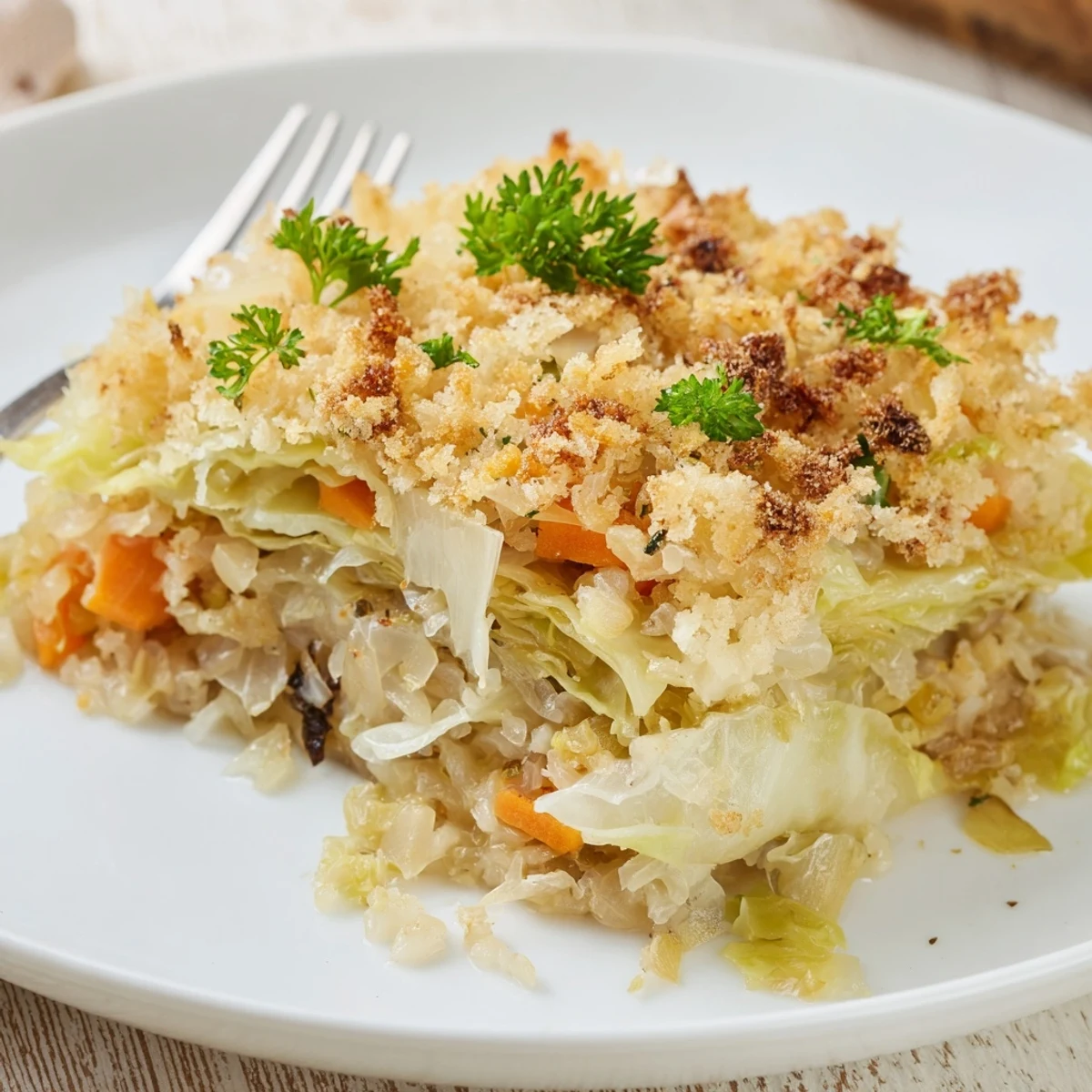
 Layered slow-roasted cabbage and drained sauerkraut combine with sautéed onion, garlic and grated carrot, then bathed in a sour cream, egg and broth custard. Covered roast at low heat until tender, then topped with buttered breadcrumbs and baked uncovered to golden. Serves six; options include vegan swaps or smoked sausage additions for extra richness.
The smell of cabbage roasting low and slow is one of those quiet kitchen surprises that sneaks up and fills every corner of the house with warmth nobody expected. My neighbor Helga caught a whiff through the open window one autumn afternoon and appeared at my door with a jar of her homemade sauerkraut before I could even offer her a plate. That jar changed everything about how I approach this dish, and now I cannot imagine making it without thinking of her standing in my kitchen, arms crossed, nodding approvingly at the oven. Some recipes collect stories like that, gathering little moments each time you pull them from the heat.
I served this at a potluck dinner in January when everyone was tired of heavy meats and ready for something honest and grounding. A friend who always picks at salads went back for thirds and texted me the next morning asking if cabbage was supposed to taste this good. I laughed because honestly, I had wondered the same thing the first time I pulled this golden crusted casserole from the oven and doubted whether something so simple could really deliver.
Ingredients
- 1 medium green cabbage (about 2 lbs), cored and thickly sliced: The foundation of the dish, so pick one that feels dense and heavy for its size with crisp outer leaves.
- 2 cups sauerkraut, drained and rinsed: Rinsing tempers the sharpness just enough so it melds with the cabbage instead of fighting it.
- 1 large onion, thinly sliced: Sweetness and depth build from a good onion slowly softened in olive oil.
- 3 garlic cloves, minced: Fresh garlic crushed just before cooking gives a brighter punch than pre minced jars ever could.
- 2 medium carrots, grated: They add subtle sweetness and a lovely golden thread running through each layer.
- 1 cup sour cream: This is what turns a humble vegetable bake into something luxuriously creamy and comforting.
- 2 large eggs: They bind the whole casserole together so each slice holds its shape on the plate.
- 3 tbsp olive oil: One tablespoon for the dish and two for the skillet, nothing fancy needed here.
- 1 cup vegetable broth: Keeps everything moist during that long slow roast in the oven.
- 1 tsp caraway seeds (optional): Totally optional but they add an unmistakable German character that makes the dish feel complete.
- Salt and freshly ground black pepper: Season each layer as you go rather than only at the end for the best flavor throughout.
- 1 cup breadcrumbs: Use gluten free if needed, and panko gives an especially satisfying crunch on top.
- 2 tbsp melted butter: Mixed with the breadcrumbs to create that irresistible golden cap everyone fights over.
Instructions
- Get the oven ready:
- Preheat to 325 degrees F and rub a large casserole dish with one tablespoon of olive oil, making sure to coat the sides as well as the bottom so nothing sticks later.
- Soften the aromatics:
- Heat the remaining olive oil in a large skillet over medium heat and cook the sliced onion, stirring occasionally, until it turns translucent and fragrant, about five minutes, then stir in the garlic and grated carrots for two minutes more until everything is softened and golden.
- Build the layers:
- Arrange half the cabbage slices in the prepared dish, scatter half the sauerkraut over them, then spread half the sautéed vegetable mixture on top, seasoning with salt, pepper, and caraway seeds before repeating all three layers with the remaining ingredients.
- Pour the creamy sauce:
- Whisk together the sour cream, eggs, and vegetable broth in a bowl until perfectly smooth, then pour it slowly and evenly over the entire casserole so it seeps down through every layer.
- Slow roast covered:
- Cover the dish tightly with aluminum foil and slide it into the oven for one hour and thirty minutes, letting everything steam and melt together into tender, deeply flavored comfort.
- Prepare the breadcrumb topping:
- While the casserole roasts, stir together the breadcrumbs and melted butter in a small bowl until the crumbs are evenly coated and smell like toasted goodness waiting to happen.
- Finish golden and bubbling:
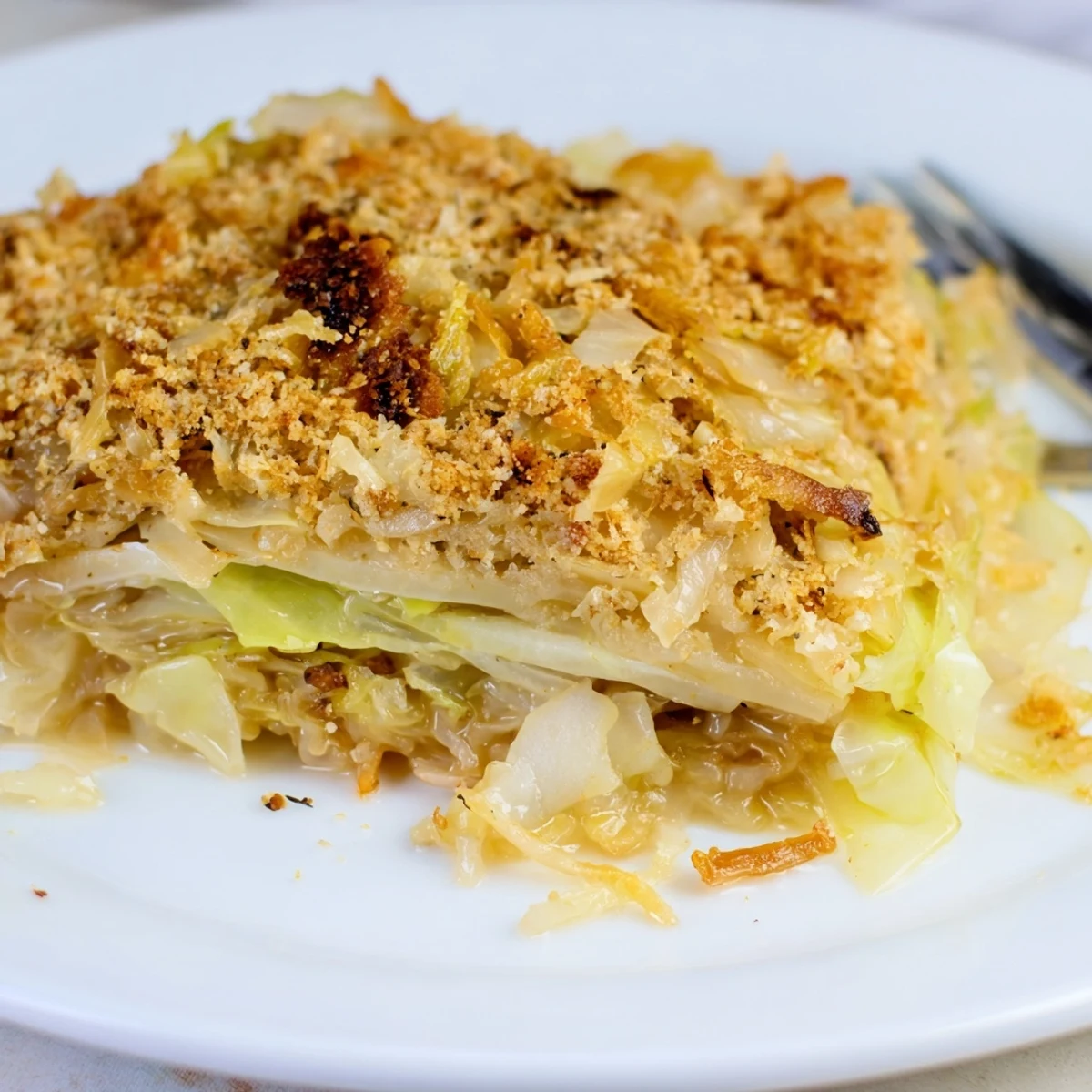
- Remove the foil, sprinkle the buttered crumbs across the top in an even layer, and return the dish to the oven uncovered for another thirty minutes until the crust is deeply golden and you can see the edges bubbling.
- Rest before slicing:
- Let the casserole stand for ten minutes after removing it from the oven so the creamy layers set up properly and each portion comes out clean and beautiful on the plate.
 Save to Pinterest
 The night I made this for my family during a snowstorm that knocked out the television, we sat around the table longer than usual, scraping the crispy edges from the baking dish with pieces of torn rye bread and talking about nothing in particular. It was one of those meals that reminded me how the best evenings do not require anything fancy, just something warm in the middle of the table and people willing to linger.
Serving Suggestions That Actually Work
Pair this casserole with a loaf of dark rye bread and a sharp German mustard on the side for dunking, which sounds strange until you try it and realize the vinegary kick cuts straight through the richness in the most satisfying way. A simple green salad with a lemony vinaigrette alongside balances the meal without competing for attention.
Making It Your Own
My cousin stirs diced smoked sausage between the layers when she wants something heartier, and a friend swears by adding a handful of grated Gruyere cheese to the breadcrumb topping for an almost French onion level of indulgence. The recipe bends easily in whatever direction your fridge or your cravings take you.
Storing and Reheating Leftovers
Cover the dish tightly and refrigerate for up to three days, then reheat individual portions in the oven at 350 degrees F until warmed through because the microwave turns that beautiful breadcrumb crust into something soggy and sad. The flavors actually deepen overnight, making the second day arguably better than the first.
- Freeze individual portions wrapped tightly in foil for up to two months when you want comfort food waiting in the freezer on a rainy Tuesday.
- Refresh leftover portions under the broiler for two minutes to bring back that golden crunch without drying out the filling.
- Always add a fresh crack of black pepper on top after reheating because it wakes up every flavor at once.
 Save to Pinterest
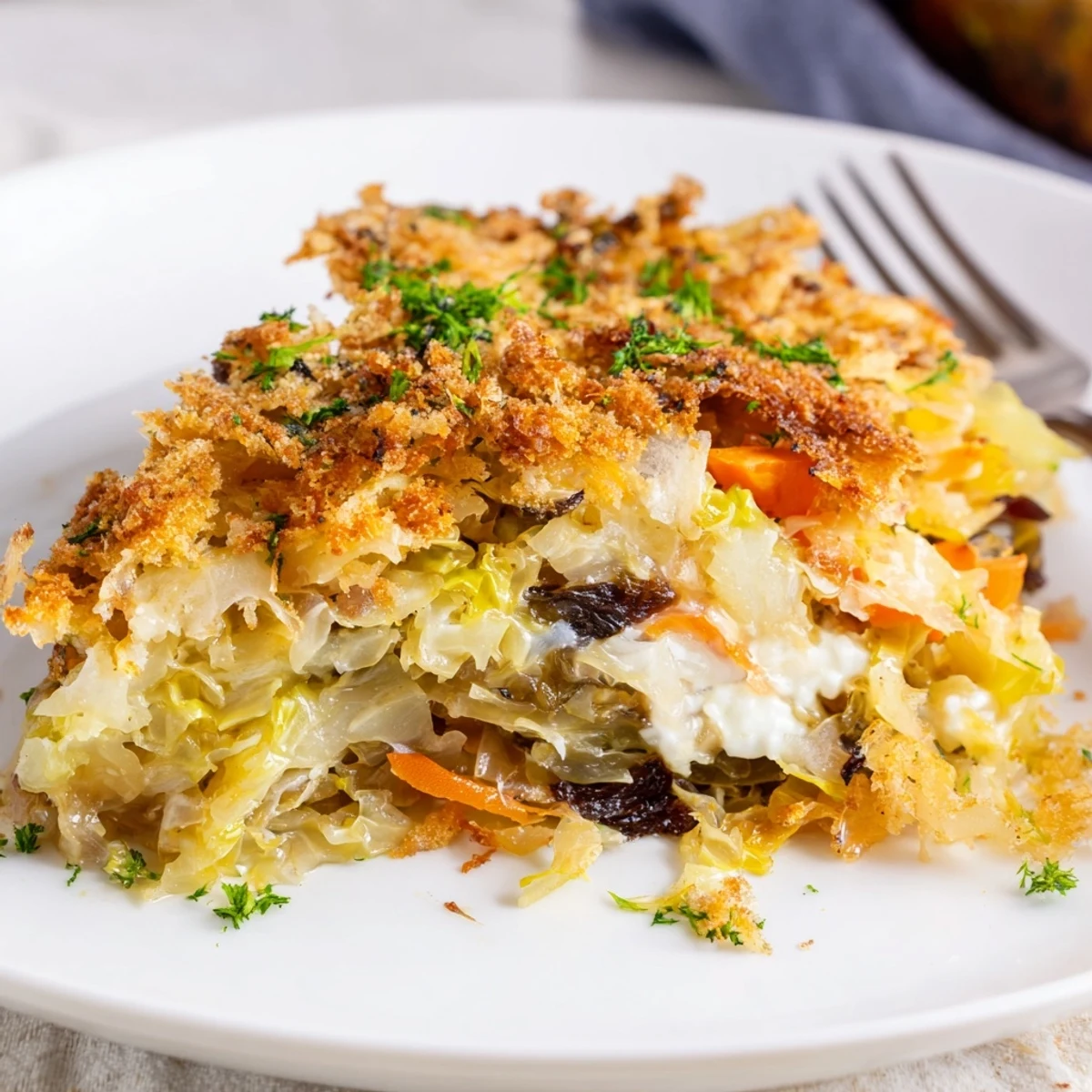
 Some dishes feed more than hunger, and this casserole has a way of turning an ordinary weeknight into something worth remembering. Pass it around the table, tear off some bread, and let the conversation go wherever it wants to.
Frequently Asked Questions
- → How do I keep the cabbage from getting soggy?
-
Drain and rinse sauerkraut well and sauté onions to reduce excess moisture. Roast covered first to tenderize, then uncover to evaporate remaining liquid. Use coarser breadcrumbs to help absorb any excess moisture on top.
- → Can this be made gluten-free?
-
Yes. Use gluten-free breadcrumbs or crushed gluten-free crackers for the topping and verify that store-bought sauerkraut and vegetable broth are labeled gluten-free.
- → How can I make a vegan version?
-
Replace sour cream with a plant-based alternative and substitute eggs with a flaxseed slurry (1 tbsp ground flax + 3 tbsp water per egg). You may need to adjust the broth to achieve a similar custard texture.
- → Is it possible to add meat for extra flavor?
-
Yes. Diced smoked sausage or crisped bacon can be sautéed and layered with the vegetables. Drain excess fat before assembling to keep the dish from becoming greasy.
- → Which cabbage variety works best?
-
Green cabbage holds its shape and offers a mild flavor; Savoy gives a tender, crinkly texture, while red cabbage provides a sweeter flavor and a firmer bite. Choose based on desired texture and color.
- → How should leftovers be stored and reheated?
-
Cool completely, then refrigerate in an airtight container for up to 3 days or freeze portions up to 3 months. Reheat covered at 350°F (175°C) until warmed through, then crisp the topping briefly under the broiler if desired.