
 Save to Pinterest
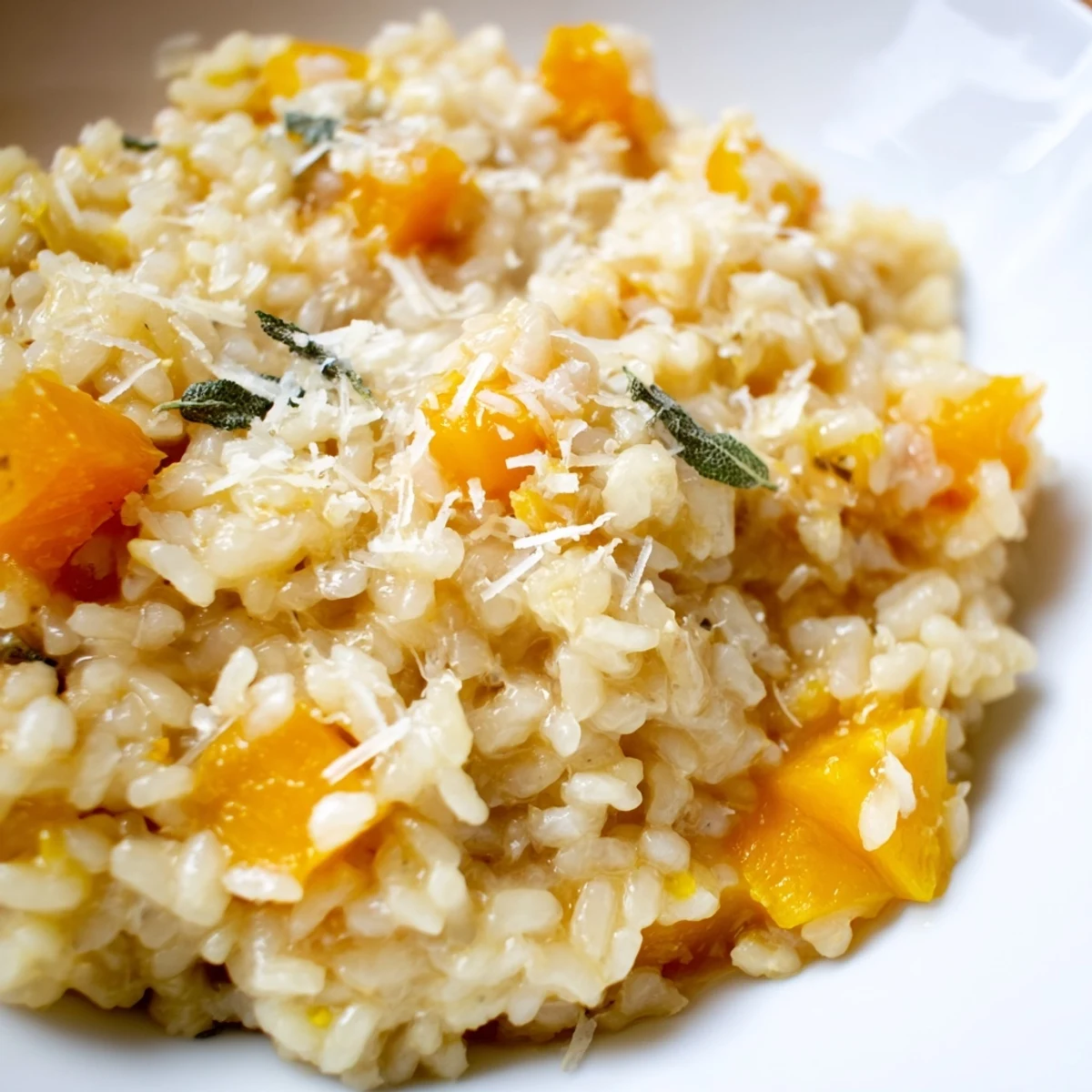
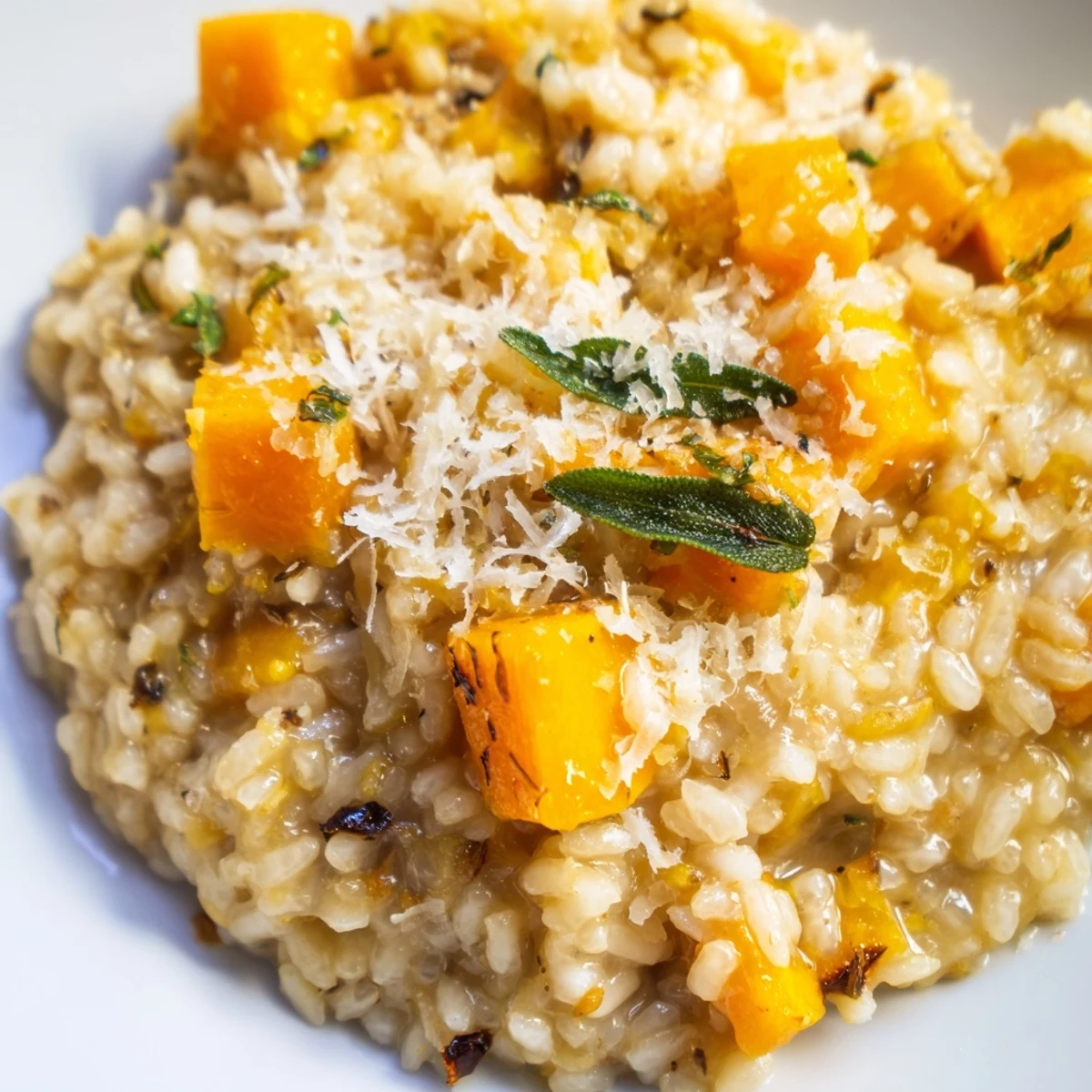
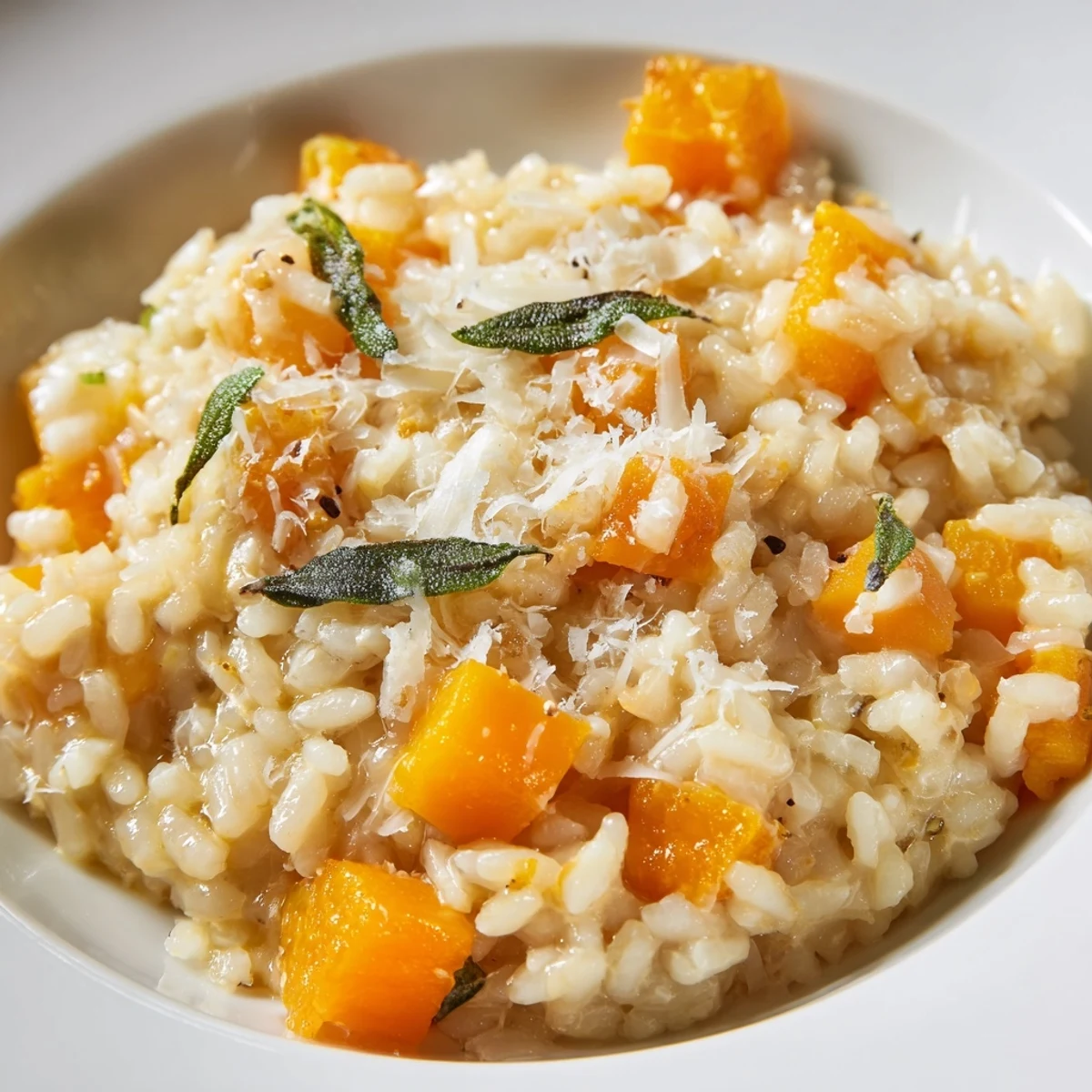
 This dish blends tender winter squash with fragrant sage and nutty Parmesan, slowly cooked with Arborio rice to create a smooth, creamy texture. Aromatic onions and garlic develop depth, enhanced by white wine and warm vegetable broth. Butter and optional cream enrich the finish, while fresh sage adds brightness. Ideal for chilly evenings, it pairs wonderfully with crisp white wine, making it a comforting vegetarian main that balances sweet, earthy, and savory notes.
There's something about the first cold snap that makes me crave risotto. I was standing in the farmers market last November, running my thumb over a butternut squash still warm from the sun, when I decided right then that dinner would be creamy and golden and exactly what my kitchen needed. The sage at the next stall smelled like autumn closing its eyes, and I grabbed a generous bunch without thinking twice. That night, stirring the rice as steam rose up and fogged my glasses, I remembered why risotto feels less like cooking and more like meditation.
I made this for my neighbor Sarah one February when she'd just moved in and seemed a little lost. She sat at my counter while I stirred, talking about her last apartment, and by the time I plated it up, she was smiling in a way that suggested she was already thinking of this place as home. She asked for the recipe the next day, and I realized then that risotto isn't just food—it's permission to slow down and let someone know you're paying attention to them.
Ingredients
- Winter squash (butternut or acorn), 1½ lbs, peeled and diced: Use a sharp knife and peel it raw—roasted squash is harder to peel cleanly, and you want these pieces tender enough to melt into the rice.
- Arborio rice, 1½ cups: This is the only rice worth using here; its starch creates that signature creaminess without any cream at all.
- Vegetable broth, 5 cups, kept warm: Keep it simmering in a separate pot—cold broth will shock the rice and slow the cooking.
- Dry white wine, 1 cup: Pinot Grigio or Sauvignon Blanc work beautifully; skip anything too oaky.
- Yellow onion, 1 small, finely chopped: This is your flavor foundation; don't rush chopping it fine.
- Fresh sage, 8 leaves, finely chopped, plus extra for garnish: Fresh sage is non-negotiable here—dried will taste dusty by comparison.
- Garlic, 2 cloves, minced: Mince it small so it distributes evenly and doesn't overpower.
- Unsalted butter, 3 tbsp total, divided: The butter goes in twice—once at the start for cooking, once at the finish for luxury.
- Freshly grated Parmesan cheese, ½ cup: Buy a wedge and grate it yourself; pre-shredded cheese has cellulose that prevents proper melting.
- Heavy cream, ¼ cup, optional: This is purely for extra richness if your mood demands it.
- Extra-virgin olive oil, 2 tbsp: Use something you actually like tasting; it matters here.
- Salt and freshly ground black pepper, to taste: Season in stages, not all at once.
Instructions
- Build your base:
- Set a large heavy saucepan over medium heat and add the olive oil and 2 tbsp butter. Once the butter stops foaming, add your finely chopped onion and let it cook gently until it turns translucent and soft, about 3 minutes—you're not looking for color, just sweetness.
- Wake up the aromatics:
- Stir in the minced garlic and fresh sage and let them sizzle for exactly 1 minute, just until the kitchen smells like herbs and anticipation. This brief moment is when the sage releases its oils and becomes part of the flavor foundation.
- Cook the squash:
- Add your diced squash, season generously with salt and pepper, and let it cook for about 5 minutes, stirring occasionally so the edges start to soften and caramelize slightly. You're building flavor layers here.
- Toast the rice:
- Pour in the Arborio rice and stir constantly for 2 minutes until the grains turn translucent at the edges and smell faintly nutty. This toasting step coats each grain and prevents it from turning mushy later.
- Deglaze with wine:
- Pour in the dry white wine and stir until it's almost completely absorbed into the rice, which takes about 2–3 minutes. The wine adds acidity and depth that makes everything else taste more like itself.
- Begin the broth ritual:
- This is the meditative part—add the warm broth one ladleful at a time, stirring constantly and waiting for each addition to be almost absorbed before adding the next. This patient process releases the rice's starch gradually and creates the signature creaminess you're after.
- Judge doneness by taste:
- After about 20–25 minutes of stirring, the rice should be creamy and tender but still have a slight bite when you chew a grain. You may not need all the broth; stop when the texture feels right to your instinct, not the clock.
- Finish with richness:
- Remove from heat and stir in the remaining 1 tbsp butter, the Parmesan cheese, and the cream if you're using it, until everything comes together in one silky, creamy mass. Taste and adjust salt and pepper now.
- Rest and serve:
- Let the risotto sit off heat for 2 minutes, then spoon it into warm bowls and garnish with extra fresh sage and more Parmesan shaved on top.
 Save to Pinterest
 One evening in March, I made this for a friend who'd been too tired to cook for himself in weeks. He sat at my table, and the first spoonful made his shoulders drop an inch lower. That's when I understood that risotto carries something beyond nutrition—it carries a small act of care in every stir, every minute of attention. He slept better that night, and he told me so the next day.
The Squash Makes Everything
Winter squash in risotto isn't just an ingredient; it becomes the soul of the dish. As it cooks, it breaks down into the rice and broth, adding natural sweetness and a silky texture that feels luxurious without any cream at all. The earthiness of the squash plays against the brightness of sage in a way that tastes both comforting and sophisticated—proof that simple combinations often work because they're supposed to. If you've never cooked squash this way, you're about to discover why risotto makes people close their eyes mid-bite.
Stirring as Meditation
The constant stirring during the broth stage isn't punishment; it's the gift hidden inside this recipe. For 20 minutes, you're focused on one pot, one wooden spoon, one steady motion. Your phone can wait, your to-do list can wait, and your mind settles into the rhythm of the kitchen. Some of my best thoughts have come during risotto stirring—not because I was trying to think, but because I finally stopped trying to think about anything else. The rice becomes the meditation, and dinner becomes the reward.
Variations and Moments of Invention
This recipe is a foundation, not a cage. Some nights I've stirred in crispy sage leaves fried in the leftover butter at the very end for extra texture and drama. Other times, when I have roasted squash left over from dinner the night before, I fold that in instead of cooking it from raw, which saves time on busy evenings. A friend once added a whisper of nutmeg and it changed everything; nutmeg and squash are old friends, and the sage stays perfectly balanced in the background. The beauty is that risotto asks you to pay attention and adjust, which means it becomes different every time—not because the recipe changes, but because you do.
- For a vegan version, swap the butter for vegan butter, use nutritional yeast in place of Parmesan, and skip the cream entirely.
- If you have roasted squash cubes on hand, fold them in at the very end for added texture without the longer cooking time.
- A glass of crisp Pinot Grigio alongside the risotto turns dinner into something you'll remember.
 Save to Pinterest
 This risotto has become my winter answer to everything—a dinner party that impresses without fussing, comfort on nights when the cold makes you want to disappear into warmth, a way to say to someone you care about them without needing words at all. Make it once and you'll understand why Italians have perfected this dish over centuries.
Frequently Asked Questions
- → What type of squash works best?
-
Butternut or acorn squash are ideal for their sweet, tender qualities that blend well into creamy dishes.
- → Can I substitute the Parmesan?
-
For dairy-free options, nutritional yeast or vegan cheese alternatives provide similar umami flavors.
- → How do I achieve the perfect risotto texture?
-
Stir frequently while gradually adding warm broth, allowing rice to absorb liquid slowly until it’s tender yet firm to the bite.
- → Is fresh sage necessary?
-
Fresh sage offers vibrant herbal notes that complement the squash; dried can be used but in smaller amounts.
- → Can this dish be prepared ahead?
-
Risotto is best served fresh, but it can be refrigerated and gently reheated with extra broth to restore creaminess.