
 Save to Pinterest
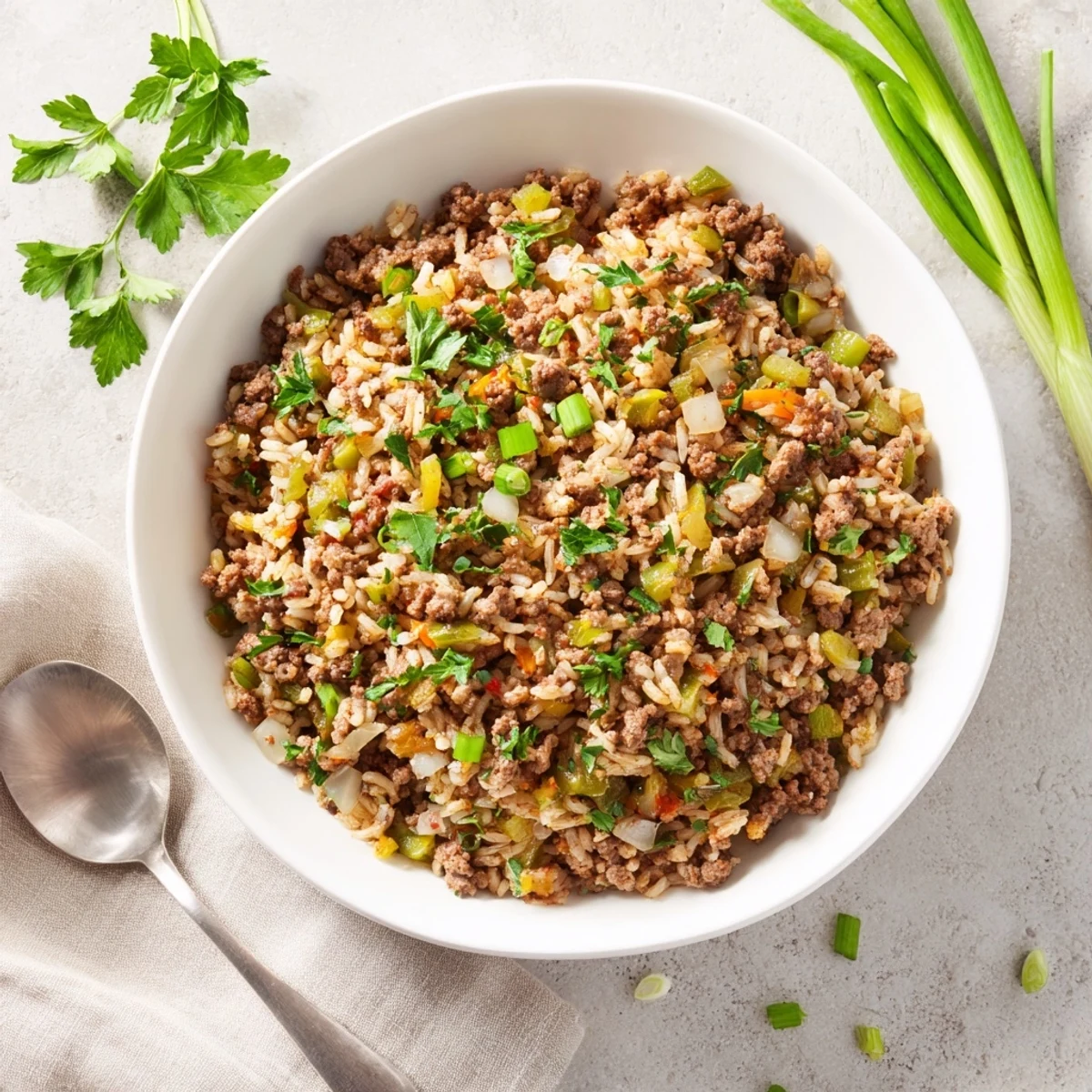
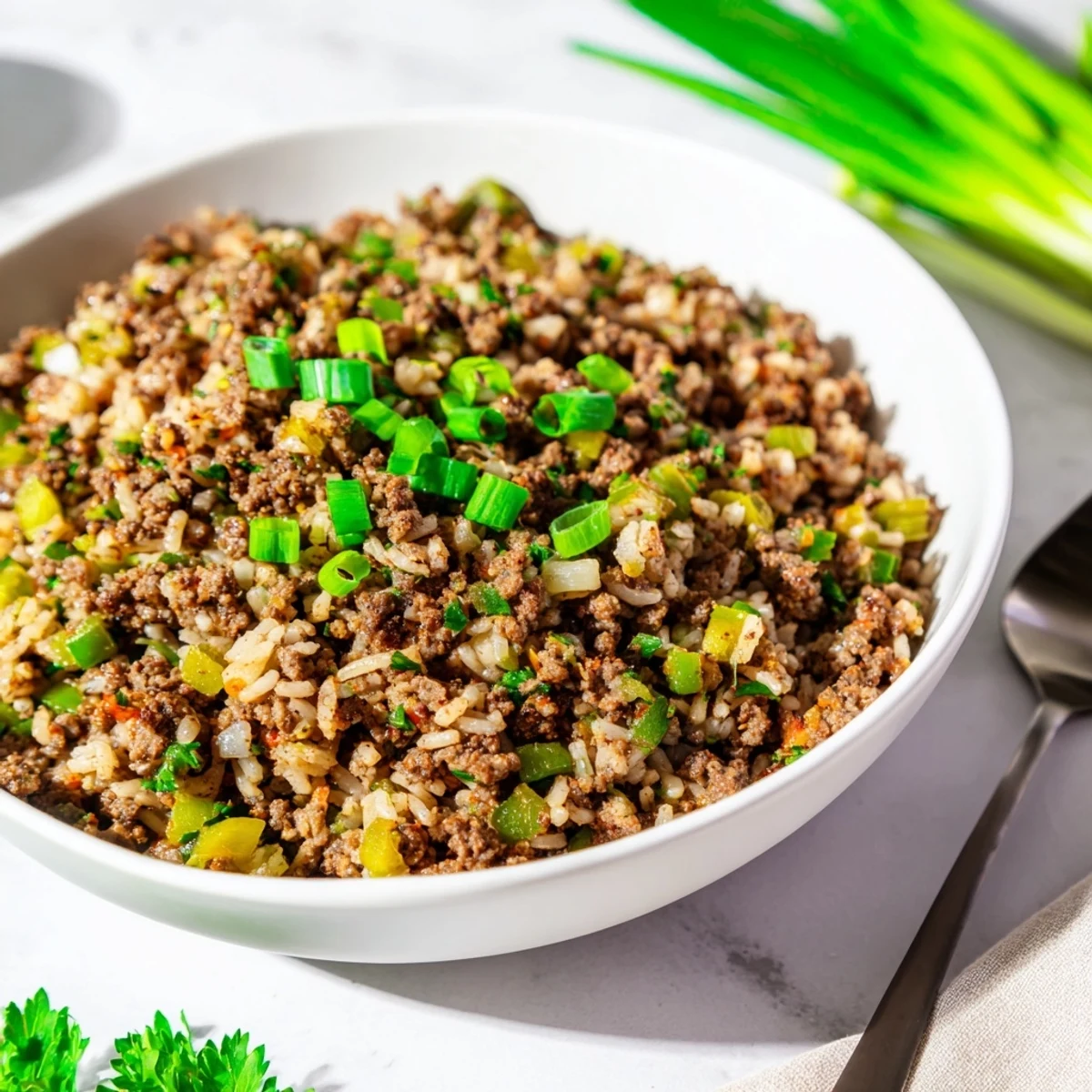
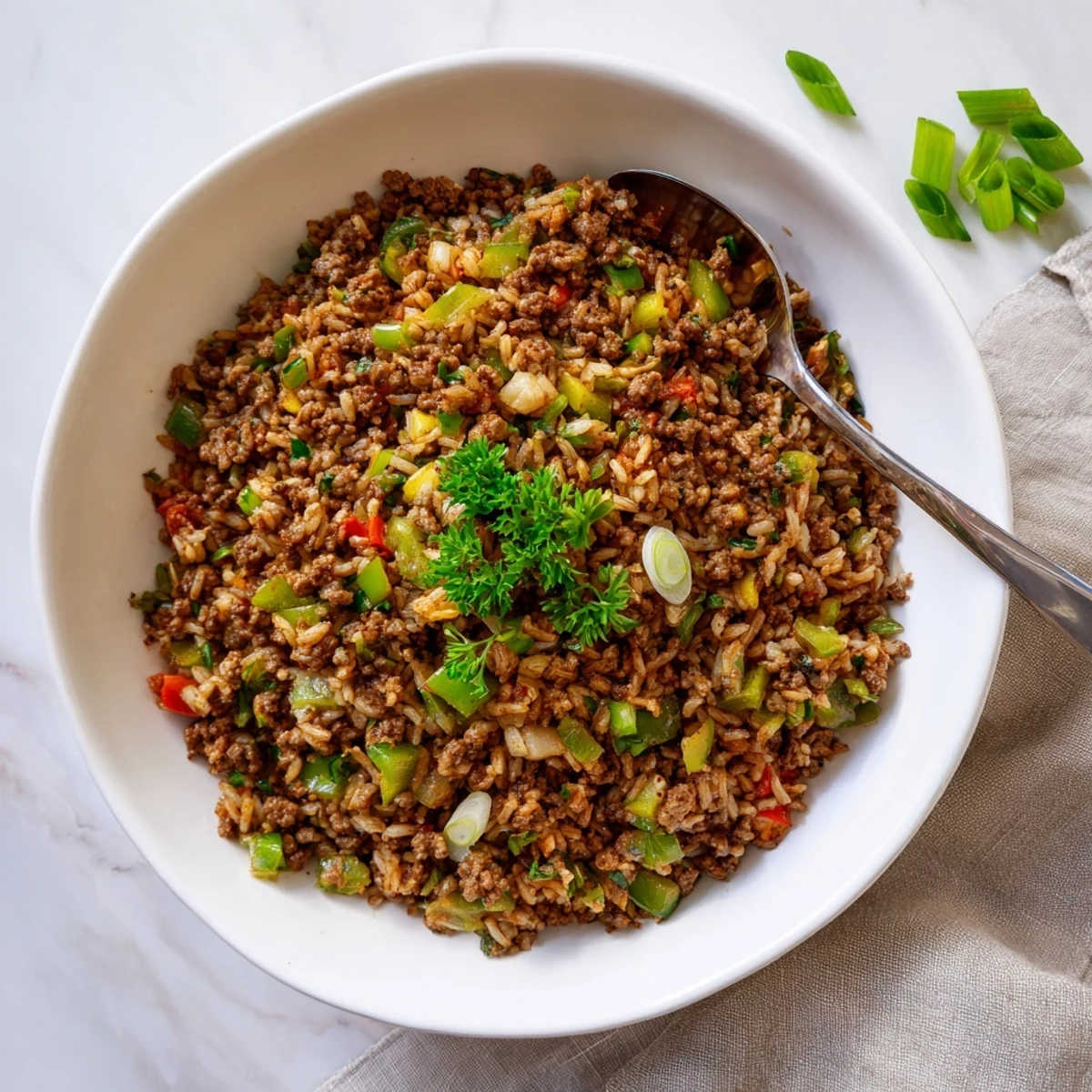
 Mardi Gras Dirty Rice with Beef is an authentic Cajun classic featuring perfectly seasoned ground beef combined with aromatic vegetables including onion, bell pepper, and celery—the holy trinity of Cajun cooking. The rice absorbs rich beef broth infused with Cajun seasoning, smoked paprika, thyme, and oregano, creating a deeply flavorful one-pot dish.
Ready in just 45 minutes with minimal prep, this dairy-free main serves four generously. Customize with chicken livers for traditional authenticity or swap in turkey, pork, or plant-based ground meat. Finish with fresh spring onions and parsley for brightness and visual appeal. Pairs beautifully with hot sauce, crisp lager, or light red wine for an authentic celebration meal.
The scent of spices hitting that hot cast iron pan always takes me straight to New Orleans, even though my first attempt at dirty rice happened in my tiny apartment kitchen during a rainstorm. I'd picked up Cajun cooking from an old roommate whose grandmother hailed from Louisiana, and this dish quickly became my go-to when I needed something hearty that felt like celebration. The holy trinity of onion, bell pepper, and celery sizzling in oil creates a kitchen perfume that's impossible to resist.
Last Mardi Gras, I made this for friends who had never tried authentic Cajun food before, and the quietness that fell over the table as everyone took their first bites told me everything I needed to know. One friend actually stopped mid-conversation, fork frozen halfway to his mouth, just to savor the complexity of flavors. Between the six of us, that pot was scraped clean before anyone even thought about seconds on the cornbread.
Ingredients
- Ground beef: I opt for lean ground beef because it provides flavor without making the dish greasy, though Ive learned that leaving just a bit of the fat after browning adds an irreplaceable richness.
- The holy trinity: The combination of onion, bell pepper and celery isnt just tradition, its the foundation that carries all the other flavors, so take the time to dice them evenly.
- Cajun seasoning: Finding a good quality blend made all the difference in my cooking, but remember that some brands pack more salt and heat than others.
- Long-grain white rice: Dont skip rinsing it first, as this removes excess starch and keeps your dirty rice from becoming sticky or gummy.
Instructions
- Sear that beef right:
- Heat your oil until it shimmers before adding the beef, then resist the urge to stir constantly. Let those edges get properly browned for maximum flavor development.
- Build the foundation:
- Once your trinity of vegetables hits the pan, youll be rewarded with that distinctive Cajun aroma. Watch as they transform from bright and crisp to translucent and tender.
- Spice infusion:
- When adding your seasonings, give them a moment in the hot pan before adding liquids. This brief toasting releases their essential oils and deepens their impact.
- The perfect simmer:
- After bringing everything to a boil, that gentle simmer is crucial. I peek under the lid after about 15 minutes just to make sure theres still a touch of liquid before the rice fully absorbs it all.
- The final flourish:
- Those fresh green onions and parsley arent just for looks. They cut through the richness with a brightness that makes each forkful feel new again.
 Save to Pinterest
 My husband, usually a polite but measured food-complimenter, asked me to put this dirty rice into our regular rotation after just one bite. He then proceeded to tell a story about a road trip through Louisiana where he had something similar at a small family-run restaurant, and how this brought him right back to that wooden table with the checkered cloth. Something about food memories crossing over like that, connecting different times and places, makes cooking feel like a kind of everyday magic.
Making It Authentic
Traditional dirty rice gets its signature dark color and deep flavor from chicken livers, something I was hesitant about until I finally tried it. The livers practically dissolve into the dish, leaving no distinct pieces but contributing an earthy richness that transforms the dish. Even liver-averse guests have devoured this version without realizing the secret ingredient, which I now consider essential for special occasions.
Heat Level Adjustments
The beauty of homemade dirty rice is tailoring the heat to your preference. I typically make two versions when hosting: one with a moderate kick and another with additional cayenne and a few dashes of Crystal hot sauce stirred right in. For family meals with the kids, I go lighter on the Cajun seasoning and offer hot sauce on the side, allowing everyone to find their perfect heat balance.
Serving Suggestions
While dirty rice can absolutely stand alone as a one-pot meal, it shines as part of a larger spread during celebrations. The complex flavors complement simple sides like cornbread, collard greens, or a crisp side salad with a vinegary dressing to cut through the richness.
- Serve with cold Abita beer or sweet tea for an authentic Louisiana pairing that balances the spice.
- A small side of pickled vegetables adds brightness and acidity that refreshes your palate between bites.
- If serving as a side rather than a main, pair with blackened fish or grilled shrimp to create a memorable Cajun feast.
 Save to Pinterest
 This dirty rice recipe has traveled with me from potlucks to family gatherings, earning its place as both comfort food and celebration dish. There's something deeply satisfying about watching someone experience these bold Cajun flavors for the first time, their expression shifting from curiosity to delight with just one bite.
Frequently Asked Questions
- → What does 'dirty' mean in this context?
-
The term 'dirty' refers to the rice being cooked with meat drippings and mixed with finely chopped meat throughout, giving it a darker, savory appearance and rich, meaty flavor profile characteristic of authentic Cajun cuisine.
- → Can I prepare this ahead of time?
-
Yes, this dish actually tastes better the next day as flavors meld together. Store in an airtight container in the refrigerator for up to 3 days. Reheat gently on the stovetop with a splash of beef broth if needed, or microwave covered with a damp paper towel.
- → What's the holy trinity and why is it important?
-
The holy trinity of Cajun cooking consists of onion, celery, and bell pepper. This aromatic vegetable combination forms the flavor foundation of countless Cajun and Creole dishes, providing depth and complexity that defines the cuisine's signature taste profile.
- → How can I adjust the spice level?
-
Start with the ¼ teaspoon cayenne pepper optional—omit it for milder heat. Add more cayenne gradually to taste, or serve with hot sauce on the side for individual customization. The Cajun seasoning itself contains some heat, so taste before adding extra spice.
- → What alternatives work for ground beef?
-
Turkey, pork, or chicken are excellent substitutes with similar cooking times. For vegetarian versions, use plant-based ground meat or finely chopped mushrooms mixed with walnuts for texture. For traditional authenticity, add finely chopped chicken livers (about 100g) alongside the beef.
- → Why rinse the rice before cooking?
-
Rinsing removes excess starch from the rice grains, preventing them from becoming sticky or gummy during cooking. This results in fluffier, more separate grains that better absorb the flavorful broth and spice mixture.